 blog
blog
Professional Garden Maintenance vs DIY Care
Table of Contents
- Professional Garden Maintenance vs DIY Care: The Core Differences
- Time and Labour: What Each Approach Demands
- Garden Maintenance Tools and Equipment You'll Need
- How Often to Maintain a Garden Throughout the Year
- Questions to Ask a Gardener Before You Hire
- Garden Maintenance Checklist for DIY and Professional Care
- Making Your Decision: Expertise, Complexity, and Long-Term Value
- Frequently Asked Questions
Last Updated: October 10, 2026
Professional Garden Maintenance vs DIY Care: The Core Differences
When comparing professional garden maintenance vs diy care, the choice shapes not just your garden's appearance, but how you spend your weekends. At YardBirds Sydney, we work with homeowners, strata managers, and property owners who've faced this exact decision.
Professional garden maintenance means hiring someone to handle lawn mowing, edging, weeding, pruning, and seasonal care on a regular schedule. DIY care means you do it yourself. The difference involves time, expertise, equipment, and maintaining a garden through Sydney's unpredictable seasons.
Professional services deliver consistency: a gardener shows up on schedule, follows the same process, and catches problems early. DIY care offers flexibility and control but requires discipline most people lack when life gets busy.
Time and Labour: What Each Approach Demands
DIY garden care demands more time than most people anticipate. A typical residential garden needs mowing every 1-2 weeks during growing season, plus edging, weeding, and pruning, totalling 4-8 hours per week during peak months. Winter requires less frequent work but still demands pruning, soil care, and spring planning.
Professional garden maintenance removes the time commitment entirely. For busy professionals, strata managers, or landlords, this time savings justifies the investment.
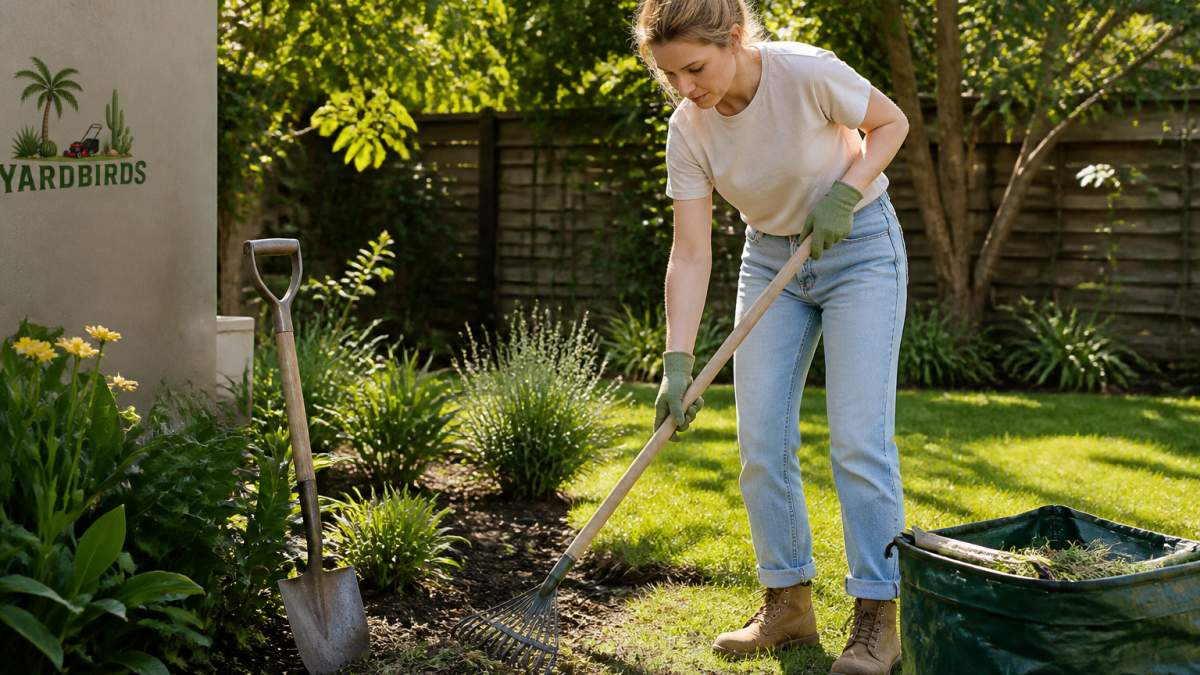
Labour intensity varies by garden size and complexity. A small courtyard needs 2-3 hours monthly; a large suburban property with mixed plantings and hedges could demand 8-12 hours. Strata gardens require coordinating with multiple residents and managing shared maintenance standards.
DIY gardeners often underestimate the physical effort. If you have mobility issues, health concerns, or aren't built for sustained physical labour, DIY becomes impractical.
Professional services bring consistency that DIY rarely achieves: they follow a schedule and show up regardless of weather or competing priorities.
Garden Maintenance Tools and Equipment You'll Need
DIY garden care requires tool investment, but some tasks are safer or more cost-effective to outsource based on equipment complexity.
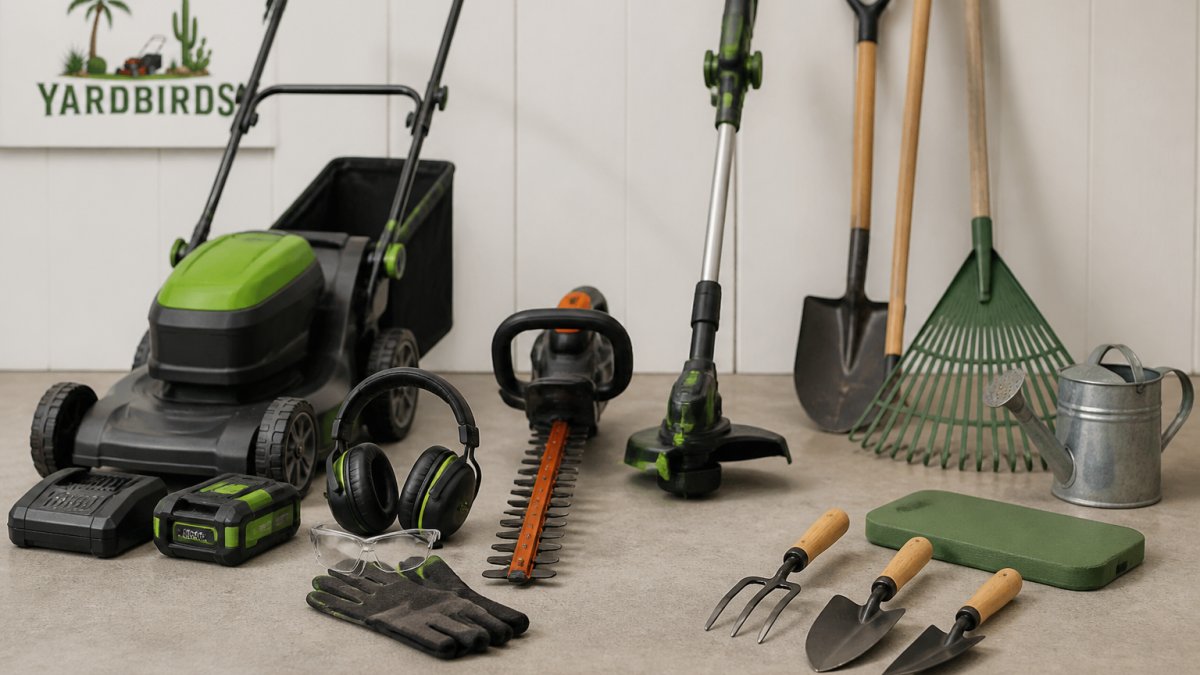
Essential DIY tools for routine maintenance:
A push mower is the largest upfront cost. Electric mowers are quieter and lower-maintenance than petrol. For gardens under 500 square metres, a cordless electric mower is practical and reduces fuel costs.
Edge trimmers, pruning shears, rakes, and shovels are foundational. Cheap equipment fails mid-season: dull blades tear grass instead of cutting cleanly, leading to brown tips and fungal disease.
A garden hose and watering system add cost; watering is labour-intensive without proper infrastructure.
Optional but valuable tools:
A hedge trimmer is worthwhile only if you have established hedges. A leaf blower saves time during autumn cleanup but is optional in smaller gardens. A soil testing kit helps diagnose issues but requires interpretation skills most DIY gardeners lack.
Tasks where equipment complexity justifies outsourcing:
Tree pruning and removal require ladders, saws, and knowledge of branch structure. A single mistake can cause serious injury or property damage. Professional arborists carry liability insurance; DIY gardeners do not. This is a high-risk task where safety exposure makes professional help the practical choice.
Pest and disease diagnosis requires knowledge of which products work for which problems. Professionals understand product selection, application rates, and safety protocols. For serious infestations, outsourcing eliminates guesswork.
Irrigation system installation and repair involves understanding water pressure, valve placement, and drainage. Professionals design systems matched to your garden's slope and soil type. Professional installation reduces ongoing troubleshooting.
Professional equipment advantage:
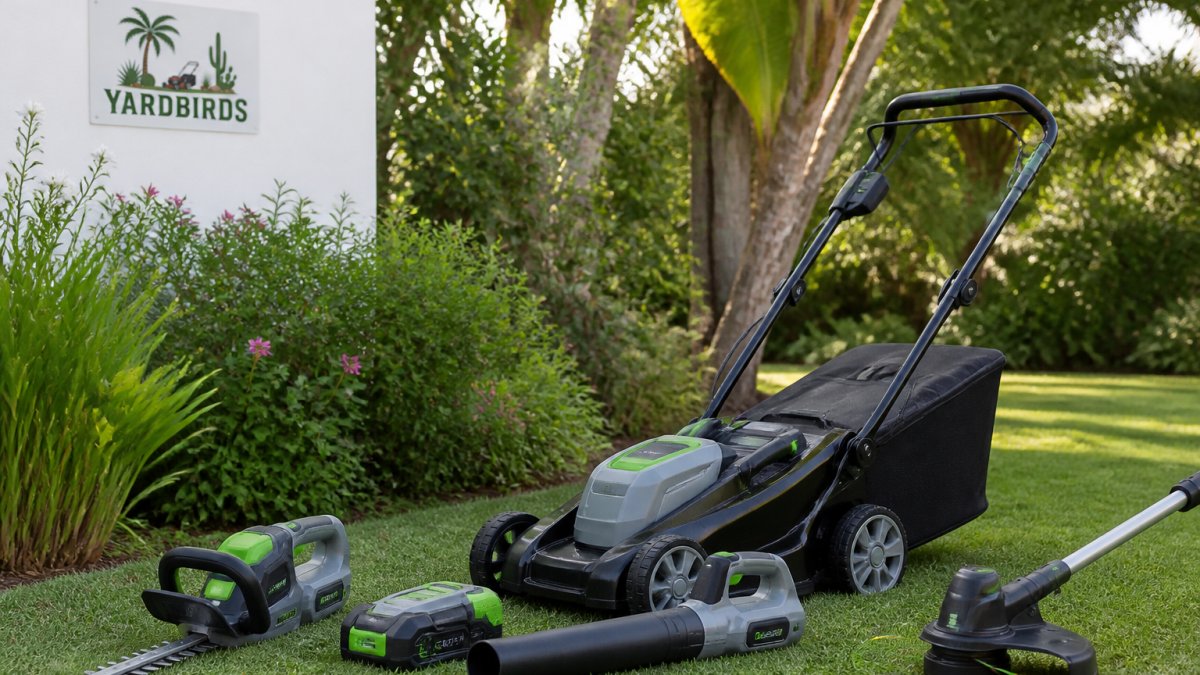
Professional gardeners arrive with all-electric, commercial-grade equipment maintained to manufacturer standards. They replace worn blades, service engines, and upgrade tools as technology improves. You benefit from professional-grade results, cleaner cuts, more efficient work, quieter operation, without purchasing or maintaining equipment yourself.
For strata gardens or rental properties, equipment storage is often impossible. Professional services eliminate this constraint: no shed required, no seasonal clutter, no maintenance burden.
How Often to Maintain a Garden Throughout the Year
Garden maintenance needs shift dramatically across seasons, and this rhythm is where most DIY gardeners fall behind.
Spring (September-November): Peak workload
Spring is when most gardens demand the most labour. Mowing increases from fortnightly to weekly as growth accelerates.
A typical suburban garden needs 6-10 hours weekly during September and October alone: 2-3 hours mowing, 2-3 hours weeding, 1-2 hours pruning, plus watering and fertilising.
Professional gardeners adjust frequency automatically.
Summer (December-February): Sustained intensity
Summer brings different demands: frequent watering (often daily during heat waves), continued weekly mowing, and pest management.
Mowing frequency stays high (weekly), but growth slows slightly in extreme heat. Edging and trimming remain weekly tasks.
Workload: 5-8 hours weekly, heavily weighted toward watering and pest monitoring.
Autumn (March-May): Transition and preparation
Autumn brings leaf cleanup, final pruning before dormancy, and soil preparation for winter.
Mowing frequency drops to fortnightly as growth slows. Watering reduces as temperatures fall and rainfall increases. Fertilising stops; feeding in autumn promotes soft growth vulnerable to frost.
Workload: 4-6 hours weekly in March-April, dropping to 2-3 hours by May.
Winter (June-August): Minimal but strategic
Winter offers a brief reprieve: mowing drops to monthly or fortnightly, watering is minimal (rainfall usually sufficient), and pest pressure eases. However, pruning and planning demand attention.
Soil health work, adding compost, testing pH, addressing compaction, happens in winter when the garden is less active.
Workload: 1-2 hours weekly, mostly pruning and planning.
Workload comparison: DIY vs. professional
| Season | DIY Hours/Week | Professional Frequency | Key Difference |
|---|---|---|---|
| Spring | 6-10 | Weekly or twice-weekly | DIY peaks; professionals adjust automatically |
| Summer | 5-8 | Weekly | Watering burden falls on DIY; professionals often exclude watering |
| Autumn | 4-6 (dropping to 2-3) | Fortnightly | Leaf cleanup is labour-intensive; professionals handle bulk removal |
| Winter | 1-2 | Fortnightly or monthly | DIY often stops entirely; professionals use time for strategic work |
Why consistency matters more than total hours:
A garden neglected for 3-4 weeks in spring can take months to recover. Weeds establish deeper roots, lawn becomes patchy from missed mowing, and pests multiply unchecked.
DIY gardeners must maintain discipline across all four seasons. Missing one week in spring compounds into two weeks of catch-up work.
Seasonal decision points for outsourcing:
Many homeowners use a hybrid approach: handling routine mowing and edging themselves but outsourcing spring pruning, summer pest management, and autumn cleanup.
For strata gardens or rental properties, consistency is non-negotiable. Body corporates and property managers face complaints if maintenance slips.
Questions to Ask a Gardener Before You Hire
Choosing a professional gardener requires more than price comparison. The right questions reveal whether someone will actually deliver what you need.
Ask about their experience with your garden type. A gardener experienced with large suburban properties might struggle with strata gardens. Experience matters because it translates to results.
Ask how they handle cancellations, weather delays, and scheduling conflicts. Do they commit to specific days? Ask for references from current clients and contact them.
Ask for proof of current insurance. What happens if they damage your property or someone gets injured? Without proper coverage, you're exposed.
Discuss their approach to problem-solving. Do they diagnose and fix issues, or just mow and leave? Ask about their weed control methods and whether they use organic or synthetic products.
For strata or rental properties, ask how they handle communication with multiple stakeholders and whether they understand strata garden complexity.
Ask about flexibility. Can they adjust scheduling for your needs and work around your travel schedule?
Garden Maintenance Checklist for DIY and Professional Care
A structured checklist helps DIY gardeners stay on track and ensures professional services deliver what you expect.
| Task | Frequency | DIY Effort | Professional Handles |
|---|---|---|---|
| Lawn mowing | Weekly-fortnightly | High | Yes |
| Edging and trimming | Weekly-fortnightly | Medium | Yes |
| Weeding garden beds | Weekly-monthly | High | Yes |
| Pruning shrubs and hedges | Seasonal | Medium-High | Yes |
| Fertilising | Monthly-quarterly | Low | Often |
| Watering | Daily-weekly | Medium | Usually not |
| Pest and disease diagnosis | As needed | Medium | Yes |
| Leaf cleanup | Seasonal | Medium | Yes |
| Soil health management | Seasonal | Medium | Sometimes |
| Seasonal planting prep | Seasonal | High | Sometimes |
DIY gardeners should use this checklist monthly to ensure nothing gets missed. Professional services should address most items, but clarify expectations upfront, some gardeners include fertilising and pest management; others focus purely on mowing and edging.
The checklist also reveals the gap between what people think garden maintenance involves and what it actually requires. Most DIY gardeners underestimate the frequency of tasks and the skill required for diagnosis and problem-solving.
Making Your Decision: Expertise, Complexity, and Long-Term Value
The decision between professional garden maintenance and DIY care ultimately comes down to three factors: your available time, your garden's complexity, and your comfort with hands-on work.
Simple gardens, small lawns, minimal plantings, straightforward maintenance, work well for DIY if you genuinely have 4-6 hours monthly. Complex gardens with mixed plantings, established hedges, native species, or pest-prone areas demand expertise that takes years to develop.
Strata and rental properties almost always benefit from professional care. The coordination required and liability exposure make DIY impractical.
If you work long hours, travel frequently, or prefer to spend weekends relaxing, DIY garden care becomes a burden. Professional services free up time for what matters to you.
A skilled gardener diagnoses problems you'd miss. They know which plants suit Sydney's climate, how to prune for maximum health, and when to intervene before small issues become major expenses.
YardBirds Sydney brings reliable, consistent professional garden maintenance using eco-friendly, all-electric equipment tailored to Sydney's unique climate. For homeowners, strata managers, and property owners who value their time, professional care delivers results that DIY rarely matches.
The real question isn't whether professional garden maintenance costs more than DIY. It's whether your time, your garden's potential, and your peace of mind are worth the investment.
Frequently Asked Questions
Is it cheaper to maintain a garden yourself or hire a professional?
Cost depends on your garden size, complexity, and how often it needs care. DIY saves on labour costs but requires buying or renting equipment and supplies. Professional garden maintenance removes upfront equipment investment but involves ongoing service fees. For small, simple gardens, DIY may cost less. For larger properties or those needing expert pest diagnosis and disease management, professional care often delivers better long-term value by preventing costly problems.
How often should a garden be professionally maintained?
Frequency depends on your garden's size, plant types, and seasonal growth. Most gardens benefit from fortnightly to monthly professional maintenance during spring and summer when growth is rapid. Autumn and winter typically require less frequent visits. A professional gardener can assess your specific needs and create a maintenance schedule that keeps your garden healthy year-round without over-servicing.
What should I check before hiring a gardener?
Ask about their insurance coverage, experience with your garden type, and how they handle equipment maintenance. Discuss their approach to weed control, fertilising, and pest management. Confirm they can work around your schedule and understand your garden's specific needs. Request references or examples of previous work. Verify they use reliable equipment and can diagnose lawn and garden problems, not just perform basic mowing and trimming.
What garden maintenance tasks can I do myself?
Simple tasks like lawn mowing, basic edging, deadheading flowers, and watering are accessible for most homeowners. Weeding, light pruning of shrubs, and seasonal tidying are manageable with basic tools. However, complex tasks like hedge trimming, disease diagnosis, pest management, soil health assessment, and aeration typically benefit from professional expertise. Consider your physical ability, available time, and the complexity of your garden before deciding which tasks to tackle yourself.
Garden maintenance doesn't have to mean choosing between control and convenience. YardBirds Sydney offers professional, eco-friendly garden care with the personal touch of a team that understands your space and your needs. Fully insured, reliable, and committed to consistent results, we transform your outdoor space into something you actually enjoy. Get a free quote and discover how professional garden maintenance can work for your property.