 ultimate-guide
Benefits of Electric Garden Equipment
Table of Contents
- Why Electric Garden Equipment Matters
- Zero Emissions and Environmental Impact
- Noise Reduction and Regulatory Compliance
- Performance: Best Electric Lawn Mower for Thick Grass
- Battery-Powered Garden Tool Maintenance Tips
- Long-Term Cost Savings and Total Cost of Ownership
- Operator Comfort and Ease of Use
- Frequently Asked Questions
Last Updated: September 25, 2026
Why Electric Garden Equipment Matters
Electric garden equipment has become essential for homeowners who want reliable performance without the ongoing hassle of petrol engines, fuel storage, and emissions. At YardBirds Sydney, we've transitioned entirely to electric tools because they deliver what matters most: consistent results, lower operational friction, and genuine environmental benefit.
Modern lithium-ion battery technology now delivers enough power to handle demanding tasks like cutting thick grass and managing overgrown patches. Battery-powered garden tools have matured to the point where they're often the better choice for residential and commercial properties.
Zero Emissions and Environmental Impact
Electric garden equipment produces zero-emission operation, reducing your property's carbon footprint, particularly important in urban areas where cumulative emissions from small engines affect local air quality.
Battery-powered garden tools eliminate fuel consumption entirely, no petrol to buy, store, or dispose of, and no fumes released into your garden or neighbourhood.
The disposal and recycling of lithium-ion batteries is increasingly straightforward. Most battery manufacturers now operate take-back programmes, and battery recycling infrastructure is improving across the country. When your battery eventually reaches end-of-life, it can be recycled responsibly rather than sitting in landfill.
Noise Reduction and Regulatory Compliance
Electric garden equipment operates at significantly lower decibel levels than petrol alternatives, allowing you to maintain your garden without disturbing neighbours or triggering noise complaints.
Battery-powered garden tools help you stay compliant with local noise regulations, making early morning or evening maintenance feasible.
Quieter equipment means less operator fatigue and better hearing protection. For strata managers handling common garden areas, this prevents complaints from multiple residents.
Performance: Best Electric Lawn Mower for Thick Grass
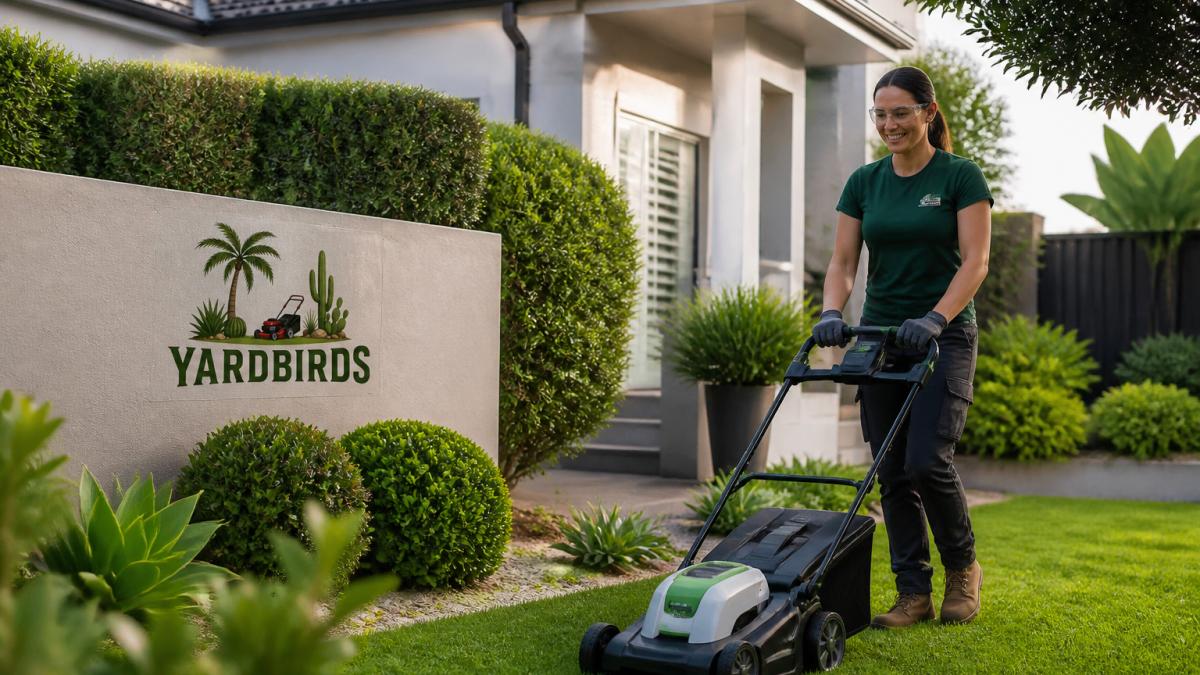
Modern electric lawn mowers deliver genuine power for residential lawn care. The best electric lawn mower for thick grass now uses brushless motor technology paired with high-capacity lithium-ion batteries, producing enough torque to handle dense grass, tougher weeds, and uneven terrain that would challenge older electric models.
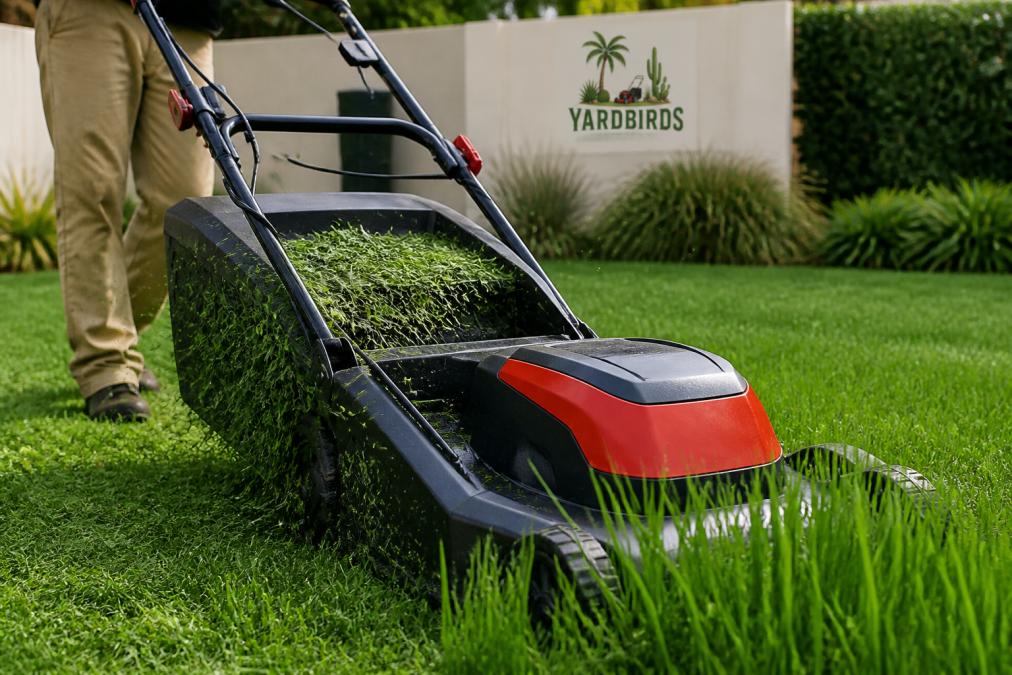
Modern cordless technology delivers serious cutting power without the weight penalty of fuel tanks and engines, improving manoeuvrability and reducing operator fatigue.
Modern high-capacity batteries deliver 45-60 minutes of continuous operation for most residential properties. Interchangeable batteries enable all-day operation without refuelling delays or fuel quality issues.
The best electric lawn mower for thick grass offers quick-start convenience, press the button and you're cutting within seconds, with no pull-cord wrestling or fuel mixing.
Battery-Powered Garden Tool Maintenance Tips
Battery-powered garden tools require far less maintenance than petrol equivalents, no oil changes, air filter cleaning, spark plug replacement, or fuel system maintenance. Maximising battery lifespan requires understanding lithium-ion chemistry.
Understanding Lithium-Ion Battery Chemistry Modern garden equipment uses lithium-ion batteries for high energy density and consistent power output. Each charge-discharge cycle slightly reduces capacity, a well-maintained battery typically retains 80% of original capacity after 500-1000 cycles, translating to 3-5 years of typical residential use.
Extend lifespan by avoiding extreme charge states. Disconnect the charger after full charge, and avoid repeated full depletion.
Cold Weather Performance and Winter Storage Battery capacity decreases in freezing conditions. Below 5°C, expect 20-40% runtime reduction compared to 20°C operation.
Store batteries indoors and allow them to warm to at least 15°C before use. Never charge a battery below 0°C; allow it to warm indoors for at least two hours first.
For seasonal storage, charge batteries to approximately 50% capacity. Store in a cool, dry location (15-25°C) away from direct sunlight and temperature fluctuations.
Charge Cycle Management Extend battery lifespan by charging regularly (partial discharge cycles are gentler than full depletion), disconnecting after full charge, rotating multiple batteries during use, and monitoring temperature during charging. (Source: Australian noise regulations)
Equipment Cleaning and Corrosion Prevention Clean equipment after each use to prevent grass buildup and corrosion. Dried grass clippings trap moisture and accelerate rust on metal components. Use a dry cloth or soft brush to remove grass and debris. For stubborn buildup, a damp cloth is acceptable, but allow equipment to dry completely before storage. Never use a pressure washer on electric equipment, water ingress can damage motors and electrical connections.
Pay particular attention to battery contacts. Dirt or corrosion on battery terminals reduces electrical connection quality and can cause performance issues. Wipe battery contacts with a dry cloth before inserting into equipment. If contacts show visible corrosion (white or green deposits), gently clean them with a dry cloth or fine-grit sandpaper.
Battery Recycling and End-of-Life Disposal When a battery eventually reaches end-of-life (typically after 3-5 years), responsible disposal is important. Lithium-ion batteries contain materials that can be recovered and reused, and improper disposal poses environmental and safety risks. Most battery manufacturers operate take-back programmes, contact the manufacturer or check their website for recycling options. Many retailers that sell batteries also accept old batteries for recycling.
In many regions, battery recycling infrastructure is managed through local council waste facilities or specialised e-waste recyclers. Contact your local council's waste management service for battery recycling options in your area. Never dispose of batteries in general waste or leave them exposed to weather, lithium-ion batteries can self-ignite if damaged or exposed to moisture and heat simultaneously.
Long-Term Cost Savings and Total Cost of Ownership
The total cost of ownership for electric garden equipment is substantially lower than petrol alternatives when calculated across a realistic timeframe. However, understanding where the savings actually come from requires breaking down the real costs across five years of operation.
Initial Purchase Price Modern electric lawn mowers and garden equipment typically cost between $400-$1200 depending on features and battery capacity. Quality petrol-powered equivalents fall in a similar range, so the entry cost is roughly comparable. This means the financial advantage emerges entirely through operational and maintenance expenses over time.
Fuel Costs A petrol lawn mower consumes fuel, which translates to ongoing costs that electric equipment eliminates entirely. For property managers running multiple properties or service providers, these savings can compound rapidly.
Maintenance and Service Costs Petrol equipment requires regular maintenance, including spark plug replacement, air filter changes, oil changes, and occasional carburetor cleaning. Across five years, a single petrol mower accumulates routine maintenance costs, plus the risk of unexpected repairs. Electric equipment requires only basic cleaning and proper storage, no oil, no spark plugs, no fuel system maintenance. Annual maintenance cost: effectively zero beyond basic cleaning.
Battery Replacement This is the primary long-term cost for electric equipment. Modern lithium-ion batteries typically deliver 3-5 years of reliable service with proper care (regular charging, cool storage, avoiding full depletion). When replacement becomes necessary, battery costs have declined steadily. A replacement battery pack is a cost within the five-year window, whereas petrol equipment faces cumulative maintenance expenses throughout the same period.
Five-Year Comparison Example For a homeowner maintaining a typical residential property, the electric option offers savings over five years for a single property. For property managers or service providers, the savings scale with volume.
Operational Efficiency Gains Beyond direct costs, electric equipment delivers time savings that translate to labour cost reduction. No fuel downtime, no engine warm-up, no pull-cord wrestling, quick-start operation means faster job completion. For service providers billing hourly or per-property, this efficiency gain directly improves profitability. A five-minute time saving per property, across multiple properties per week, equals recovered labour time weekly.
Battery Technology Longevity Lithium-ion battery technology continues to improve. Batteries manufactured today often exceed the 3-5 year lifespan of older models, and replacement costs continue to decline. This trend favours electric equipment economics over time. A battery purchased today will likely cost less to replace in five years than it does now, whereas petrol equipment maintenance costs typically remain stable or increase.
Operator Comfort and Ease of Use
Electric garden equipment is genuinely easier to use, which matters more than most guides acknowledge. Quick-start operation means no wrestling with pull-cords or dealing with temperamental engines. For older users, less physically demanding users, or anyone managing properties with frequency, this ease of use is genuinely valuable.
Vibration dampening is superior in modern electric equipment. The absence of combustion engine vibration reduces operator fatigue significantly.
Frequently Asked Questions
Are electric garden tools powerful enough for thick grass?
Modern electric garden equipment delivers sufficient power for typical residential lawns, including thick grass and dense weeds. Brushless motors in quality electric mowers generate torque comparable to petrol alternatives, with the advantage of consistent power throughout the charge cycle. For overgrown areas, multiple passes or higher-capacity batteries improve results. Performance depends on motor quality and battery capacity rather than fuel type.
What maintenance is required for battery-powered garden equipment?
Battery-powered tools need far less maintenance than petrol equipment. Store batteries in a cool, dry place between uses and avoid complete discharge. Clean air vents regularly to prevent dust buildup affecting charging efficiency. Inspect cords and connections for damage. Unlike petrol equipment, there are no spark plugs, fuel filters, or oil changes needed. Proper storage during winter extends battery lifespan significantly.
How much can you save switching to electric garden equipment?
Total cost of ownership favours electric equipment over time. Petrol mowers require fuel, regular servicing, spark plug replacement, and air filter changes. Electric equipment eliminates fuel costs and most maintenance expenses. While initial purchase prices vary, operational savings accumulate quickly. Battery degradation is gradual, and modern lithium-ion batteries are designed for longevity, spreading replacement costs over many years.
What are the main environmental benefits of electric garden tools?
Electric garden equipment produces zero emissions during operation, eliminating greenhouse gases and air pollutants that petrol equipment releases. No fuel spills contaminate soil or water. Reduced noise pollution benefits neighbourhoods and wildlife. Over their lifespan, electric tools have a significantly lower carbon footprint. Battery recycling programs minimise end-of-life waste, making them a genuinely sustainable choice for environmentally conscious homeowners.