 blog
blog
Eco-Friendly Gardening: A 2026 Guide
Table of Contents
- Why Eco-Friendly Gardening Matters
- Electric Lawn Mowing and Zero-Emission Equipment
- Building Soil Health and Reducing Garden Waste
- Native Ground Covers and Sustainable Plant Selection
- Drought-Tolerant Garden Plants for Water Conservation
- Lawn Alternatives for Shade and Low-Traffic Areas
- Verifying Environmental Claims and Choosing Sustainable Services
- Getting Started with Sustainable Garden Practices
- Frequently Asked Questions
Last Updated: October 15, 2026
Why Eco-Friendly Gardening Matters
Eco-friendly gardening means maintaining outdoor spaces with methods and equipment that reduce environmental impact, focusing on sustainability, carbon reduction, and protecting local ecosystems while keeping your garden healthy.
Traditional petrol equipment produces emissions, chemical inputs harm soil life, and single-use practices waste resources. Choosing eco-friendly gardening practices addresses these problems directly.
At YardBirds Sydney, we've built our entire service around this principle. We use all-electric equipment and focus on building healthy soil rather than relying on quick chemical fixes.
Your garden is part of a larger ecosystem: better soil health supports beneficial organisms, reduced chemical use protects waterways, and lower emissions mean cleaner air.
Electric Lawn Mowing and Zero-Emission Equipment
The biggest shift toward sustainable gardening starts with your equipment.
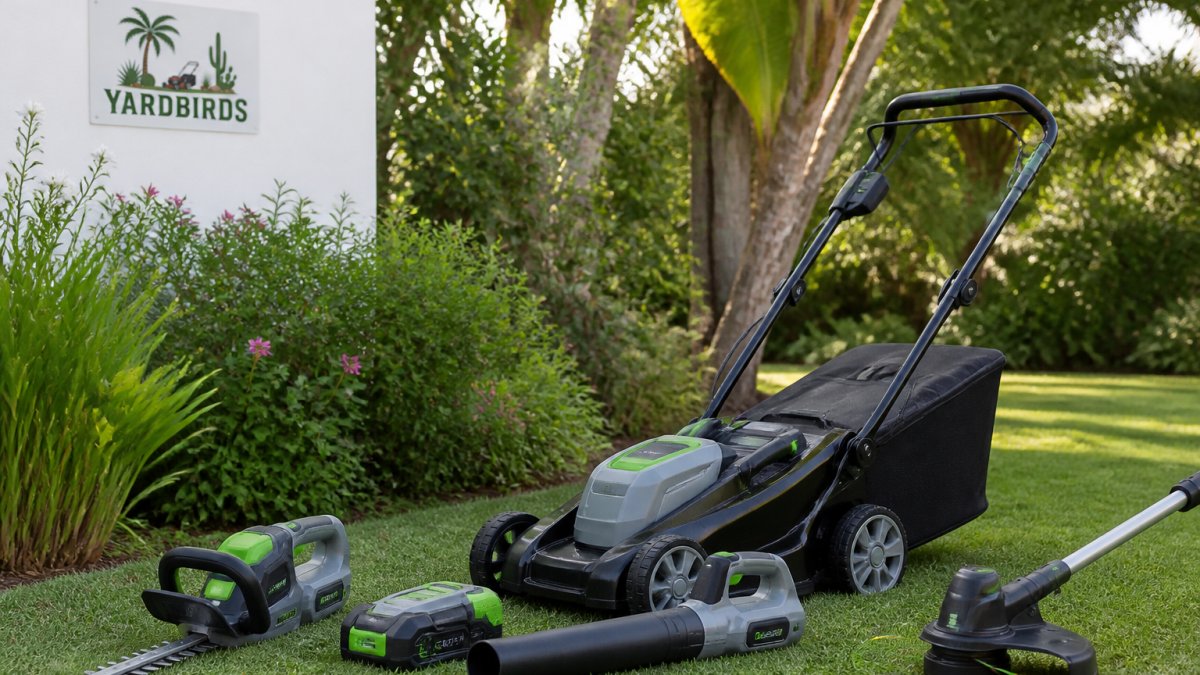
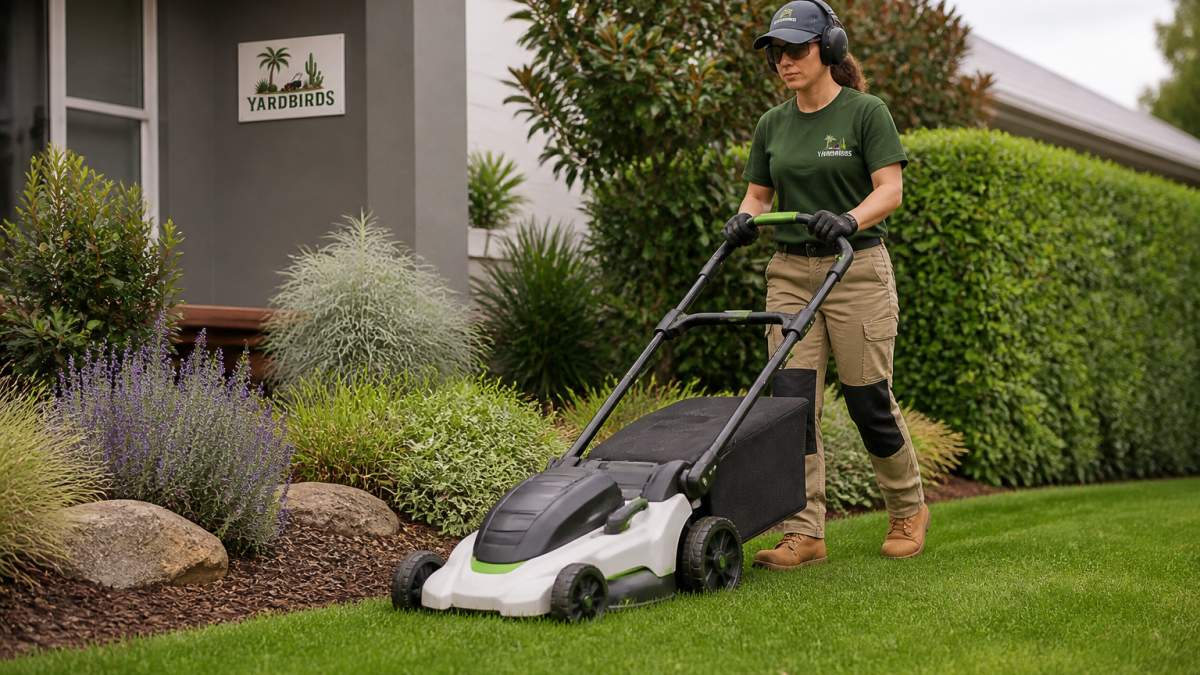
Battery technology improved, motor efficiency increased, and charge times dropped. Today's electric mowers handle thick grass, overgrown patches, and demanding jobs without struggling.
The practical advantages are worth noting:
- No tailpipe emissions while mowing, better air quality in your yard and neighbourhood
- Quieter operation, mow early morning without disturbing neighbours
- Lower maintenance, no spark plugs, oil changes, or seasonal tune-ups
YardBirds Sydney operates exclusively with electric equipment, delivering consistent results while keeping our carbon footprint minimal.
Does electric equipment have enough power? Yes. Modern lithium batteries provide sustained power through demanding jobs.
What 'Zero-Emission Service' Actually Means
A zero-emission gardening service is not just about the mower. It covers every piece of equipment used on site and how waste and inputs are handled.
There is a distinction between zero tailpipe emissions and zero lifecycle emissions. Even factoring in grid electricity, battery-electric equipment produces substantially lower emissions per hour than petrol equivalents, especially as the grid includes more renewables (ncbi.nlm.nih.gov).
Comparing Zero-Emission Service Options
When you compare providers, look beyond the word 'electric' on a website. Use this framework:
| What to check | Why it matters | What good looks like |
|---|---|---|
| Equipment list | A single electric mower does not make a zero-emission service | All powered tools are battery-electric or manual |
| Charging source | Emissions depend partly on how batteries are charged | Provider can explain their charging setup or uses a green energy plan |
| Waste handling | Green waste sent to landfill creates methane | Green waste is composted, mulched, or processed through a green waste stream |
| Chemical policy | Synthetic herbicides and pesticides undermine eco credentials | No routine broad-spectrum chemical use; targeted, low-toxicity products only where necessary |
| Service scope | Some providers only mow; others handle full garden care | Clear list of what is included and what is not |
| Insurance and credentials | Protects you if something goes wrong | Current public liability insurance and relevant qualifications |
This comparison works for any provider. Ask for the equipment list in writing, where green waste goes, and what products are used on weeds and pests. A provider with genuine commitment answers directly; one using 'eco' as a label stays vague.
Manual and Low-Emission Alternatives
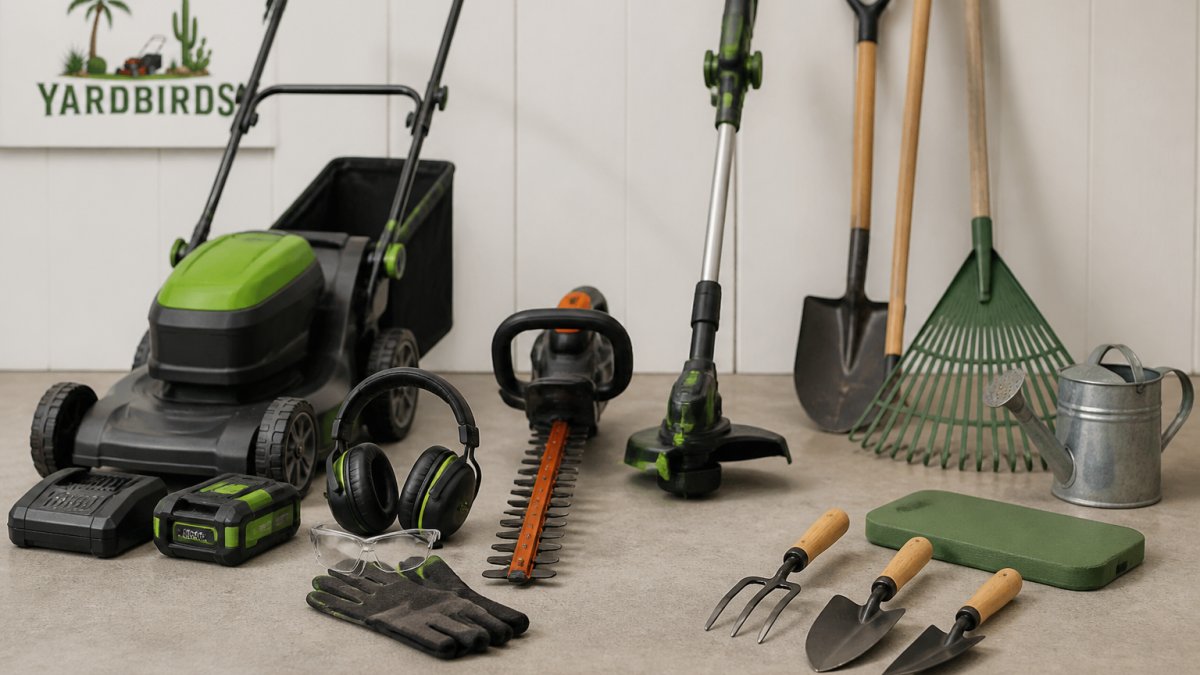
Not every task needs a powered tool. Manual reel mowers, hand edgers, brooms, rakes, and secateurs produce zero emissions and zero noise, replacing powered equipment entirely in small yards.
Mulching mowers add another benefit: leaving fine clippings on the lawn returns nutrients to the soil and reduces the need for fertiliser, cutting both the emissions from fertiliser production and the waste going to landfill.
Building Soil Health and Reducing Garden Waste
Healthy soil is the foundation of any sustainable garden. Soil structure, organic matter content, and microbial life determine whether your plants thrive or struggle.
Chemical fertilisers provide quick results but damage soil structure over time, killing beneficial organisms, compacting soil, and creating dependency on more chemicals each season.
The sustainable approach builds soil naturally. This takes longer upfront but pays dividends for years.
Composting Garden Waste
Composting transforms garden waste into nutrient-rich soil amendment.
The process is straightforward:
- Collect green waste, grass clippings, plant trimmings, vegetable scraps
- Layer with brown materials, dry leaves, shredded paper, cardboard
- Maintain moisture, keep the pile damp like a wrung-out sponge
- Turn occasionally, speed decomposition by mixing the pile every few weeks
- Wait 3-6 months, finished compost is dark, crumbly, and earthy-smelling
The result is compost rich in organic matter that improves soil structure, increases water retention, and feeds beneficial microorganisms, giving plants a natural nutrient boost without synthetic inputs.
Proper technique prevents mess or smell. A well-managed pile smells earthy, attracts beneficial insects, and occupies minimal space compared to the value it creates.
Improving Soil Structure Naturally
Beyond composting, several practices rebuild soil health:
- Add organic matter regularly, incorporate compost, aged manure, or leaf mould annually
- Avoid tilling, disrupts soil structure and kills beneficial organisms; work amendments into the top layer instead
- Mulch garden beds, protects soil, retains moisture, and breaks down into organic matter over time
These practices work together: organic matter feeds soil life, soil life breaks it into plant-available nutrients, and stronger plants need fewer inputs. The cycle becomes self-sustaining.
Native Ground Covers and Sustainable Plant Selection
Choosing the right plants makes sustainability easier.
Native ground covers are low-growing plants that spread across bare soil, replacing lawn where grass struggles, reducing mowing requirements, and providing habitat for beneficial insects.
Common native ground covers include creeping boobialla, native violet, and pigface. These plants thrive in Sydney's climate without special care, suppress weeds naturally, stabilise soil, and look attractive year-round.
The selection process is simple:
- Assess your site, note sunlight, soil type, moisture levels, and foot traffic
- Choose plants suited to those conditions, don't fight your microclimate
- Plant densely, closer spacing fills gaps faster and suppresses weeds
- Mulch around plants, protects soil and reduces watering needs during establishment
- Water during establishment, once rooted, native plants need minimal supplemental water
This approach saves money and effort: you're working with your garden's natural conditions, not fighting them.
Drought-Tolerant Garden Plants for Water Conservation
Water conservation matters in Sydney's climate. Dry summers stress plants. High water bills add up. Drought-tolerant plants solve both problems.
These plants have adapted to dry conditions with deep roots, waxy leaves, or other features that reduce water loss, needing minimal supplemental watering once established.
Suitable options include:
- Salvias, colourful flowering shrubs, attract pollinators
- Grevilleas, native shrubs with distinctive flowers
- Sedums, succulent ground covers, extremely hardy
The key is establishment. New plants need regular watering for the first season while roots develop.
This reduces your watering schedule significantly, lowering water bills, cutting maintenance time, and helping your garden survive dry spells without stress.
Lawn Alternatives for Shade and Low-Traffic Areas
Not every space needs grass. Some areas are better served by alternatives that require less maintenance and lower inputs.
Shaded areas are problematic for lawn because grass struggles without direct sunlight. Lawn alternatives handle shade better.
Options include:
- Ground covers, creeping plants that form dense mats
- Shade-loving shrubs, provide structure and year-round interest
- Mulched areas, with stepping stones for pathways
Low-traffic areas near fences or under trees don't need lawn's wear resistance. A shade-tolerant ground cover or mulched bed looks good, requires less maintenance, and costs less to establish.
Verifying Environmental Claims and Choosing Sustainable Services
Not every business claiming to be 'eco-friendly' delivers real environmental benefit. Some use the term as marketing without changing their practices. The challenge is separating measurable commitments from vague language.
A Practical Verification Framework
Use this five-step method when assessing any gardening service:
- Ask for the equipment list in writing. A zero-emission claim should name the tools used for mowing, edging, trimming, blowing, and spraying. If the answer is only 'we use electric mowers', ask about the rest.
- Ask where green waste goes. Responsible options include on-site composting, mulching, or a commercial green waste stream. Landfill is least desirable because organic waste generates methane as it breaks down.
- Ask what products are used on weeds and pests. A low-toxicity approach avoids routine broad-spectrum herbicide and pesticide application. Targeted treatments, manual removal, and cultural controls should come first.
- Ask about credentials and insurance. Current public liability insurance and relevant horticultural qualifications are baseline expectations. These protect you and indicate a professional operation.
- Check consistency. Look at reviews and ask current or past clients whether on-site practices match the marketing. A genuine commitment shows up in everyday operations, not just the website.
Red Flags and Green Flags
| Red flag | Green flag |
|---|---|
| 'Eco-friendly' with no specifics | Named equipment, products, and waste processes |
| Cannot say where green waste goes | Clear composting or green waste stream |
| Routine blanket spraying | Targeted, low-toxicity treatments only |
| No insurance details available | Insurance certificate provided on request |
| Prices that seem too low for the scope | Transparent quote with clear inclusions |
Understanding the Limits of Claims
No gardening service is perfectly zero impact. Batteries require materials and energy to manufacture. Even manual tools have a footprint. The goal is to reduce impact where it matters most: on-site emissions, waste diversion, chemical reduction, and soil health.
Be cautious of absolute claims like '100% sustainable' or 'carbon neutral' without explanation. A provider that can explain their trade-offs is usually more credible than one that claims perfection.
Questions to Ask Before Booking
- What equipment will be used on my property, and is it battery-electric or manual?
- How is green waste handled after the visit?
- What products are used for weeds, pests, and fertilising?
YardBirds Sydney operates with full transparency. We use all-electric equipment exclusively, manage garden waste responsibly, and are fully insured. Our team has over 12 years of experience, with 97% customer satisfaction and 500+ clients across Sydney's Inner West.
The difference between genuine sustainability and marketing is consistency. Real commitment shows in every detail of how a business operates.
Getting Started with Sustainable Garden Practices
Starting your transition to eco-friendly gardening doesn't require a complete overhaul. Small changes compound over time.
Begin here:
- Assess your current practices, identify what's working and what creates unnecessary work
- Start composting, begin cycling garden waste back into your soil
- Reduce chemical inputs, stop using broad-spectrum pesticides; target specific problems instead
- Choose native plants, when replacing plants, select varieties suited to your site
- Mulch bare soil, protects soil, retains moisture, and reduces weeds
- Consider equipment upgrades, when your current tools need replacement, choose electric alternatives
These steps work together. Better soil needs fewer inputs. Native plants need less maintenance. Electric equipment reduces your carbon footprint.
Professional support accelerates the process. A team experienced in sustainable practices can identify opportunities you might miss, implement changes efficiently, and manage ongoing maintenance so your garden thrives without constant effort.
Frequently Asked Questions
What is the most environmentally friendly way to maintain a garden?
The most sustainable approach combines zero-emission equipment (electric or manual tools), composting garden waste, native plant selection, and water-efficient practices. Electric lawn mowers eliminate carbon emissions from fuel, whilst composting returns nutrients to soil and reduces landfill waste. Choosing native plants suited to local conditions reduces water needs and chemical inputs. Together, these practices create a garden that works with nature rather than against it, minimising your environmental footprint.
How can I reduce emissions when maintaining my garden?
Switch to electric or battery-powered equipment instead of petrol-driven tools. Electric lawn mowers produce zero direct emissions and are quieter than traditional alternatives. Use manual tools for smaller tasks when possible. Choose service providers that use all-electric equipment and sustainable practices. Reduce the frequency of mowing by selecting low-maintenance plants and native ground covers that don't require constant trimming. These changes significantly lower your garden's carbon footprint.
Are native plants a good alternative to lawn?
Yes, native plants are an excellent lawn alternative for sustainable gardening. They're adapted to local climate and soil conditions, requiring less water, fertiliser, and maintenance than traditional turf. Native ground covers support local biodiversity by providing habitat for beneficial organisms. They also improve soil health naturally and reduce the need for chemical treatments. Native plants are particularly effective in shaded areas where conventional lawns struggle, making them ideal for diverse garden microclimates.
Which ground covers need the least water and mowing?
Native ground covers and drought-tolerant species require minimal water and mowing. Options include creeping thyme, native violets, and various sedges suited to local conditions. These plants establish deep root systems that access soil moisture naturally, reducing irrigation needs. Many native ground covers grow slowly and densely, requiring little to no mowing. They also improve soil structure and water retention over time. Choosing species suited to your specific microclimate and soil type ensures they thrive with minimal intervention.
Maintaining a sustainable garden takes intention, but the payoff is real. Your outdoor space becomes healthier, more resilient, and easier to manage. Get a free quote from YardBirds Sydney and discover how professional, eco-friendly garden maintenance can transform your property. We'll assess your space, explain our approach, and show you exactly how we work. No obligation, no pressure, just honest advice from a team that's been doing this for over a decade.