 listicle
Sustainable Lawn Care Tips 2026: Greener Grass Guide
Table of Contents
- Why Sustainable Lawn Care Matters More in 2026
- 7 Natural Ways to Control Weeds in Lawn
- Organic Lawn Fertiliser Options That Build Soil Health
- Water-Wise Gardening Tips for Dry Summers
- The Benefits of Electric Lawn Equipment
- Mowing, Aeration, and Soil Care: A 2026 Routine
- Build a Backyard Ecosystem: Biodiversity and Climate-Resilient Lawns
- Your Sustainable Lawn Care Action Plan
- Frequently Asked Questions
Last Updated: September 8, 2026
Sustainable lawn care is no longer a niche preference but a practical response to hotter, drier summers and rising water costs. This guide from YardBirds Sydney breaks down the most effective sustainable lawn care tips 2026 has to offer, giving you a clear action plan for a greener, more resilient yard.
The old model of weekly mowing, synthetic fertiliser, and constant watering is fading. Below, we'll show you exactly how to transition your lawn care routine, covering natural weed control, organic feeding, water-wise strategies, and the shift to quieter, cleaner electric equipment.
Why Sustainable Lawn Care Matters More in 2026
Climate projections point to more frequent and intense dry spells, making water conservation a necessity rather than an option. Lawns treated with synthetic chemicals and forced to grow with heavy watering are the first to suffer when conditions tighten.
A resilient lawn starts below the surface. Practices like compost top-dressing, leaving grass clippings in place, and using slow-release organic fertilisers build a soil structure that holds moisture and feeds the grass steadily. This approach reduces reliance on irrigation and creates a lawn that bounces back quickly after stress. According to guidance on sustainable landscaping practices from the NSW Government, improving soil health is a cornerstone of water-efficient gardening in urban areas.
7 Natural Ways to Control Weeds in Lawn
Chemical herbicides kill the weed, but they can also harm soil biology and beneficial insects. A natural approach focuses on prevention and building a lawn dense enough to crowd out invaders. Here are seven effective methods for natural weed control.
- Maintain a healthy mowing height. Cutting grass too short stresses it and gives weed seeds light to germinate. Raise your mower blades to keep grass around 7-8 cm tall in summer, which shades the soil and suppresses weed growth.
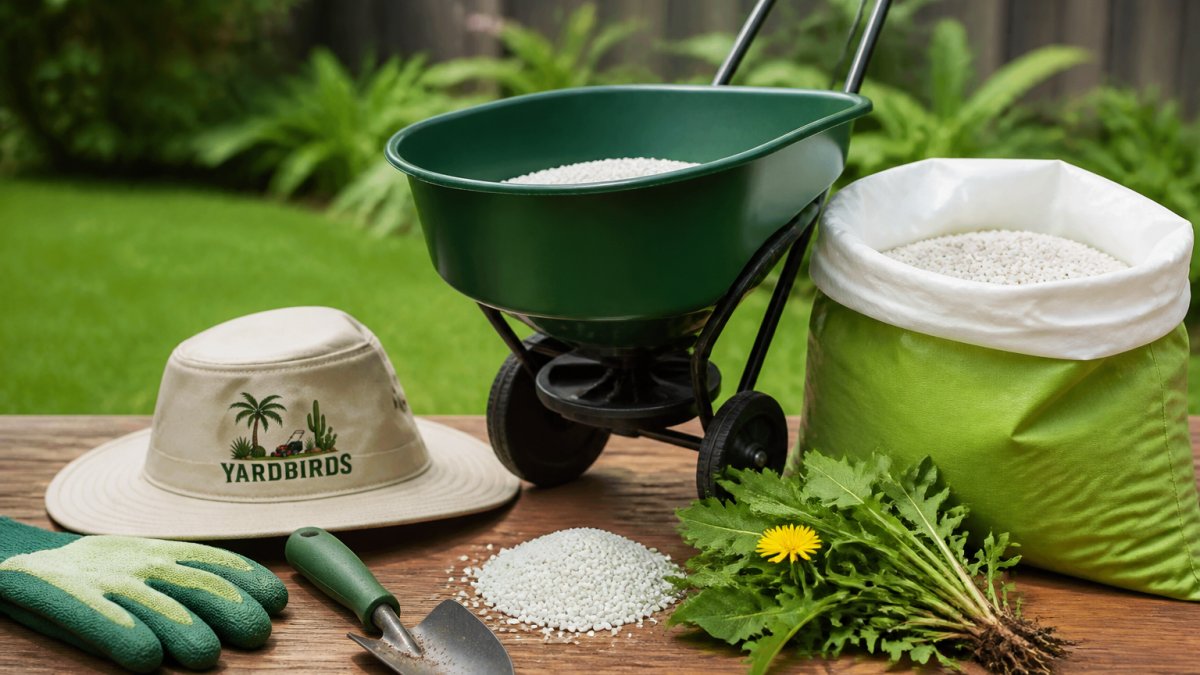
- Apply corn gluten meal as a pre-emergent. This organic byproduct inhibits weed seed germination while providing a nitrogen boost to your lawn. Timing is critical: it must be applied before weed seeds sprout, typically in early autumn.
- Pull weeds after rain. When the soil is soft, hand-pulling annual and broadleaf weeds, including their taproots, is far more effective. It is a simple, immediate solution for small infestations.
- Use a vinegar-based spray for spot treatment. A solution of horticultural vinegar applied directly to the leaves of young weeds can kill them without contaminating the soil. It is non-selective, so apply it carefully to avoid desirable plants.
- Overseed bare patches in autumn. A thick, healthy lawn is the best defence against weeds. Overseeding thin areas with quality seed prevents weeds from establishing in the first place.
- Practice correct watering. Deep, infrequent watering encourages deep grass roots, while frequent shallow watering promotes shallow roots and weed germination. Water early in the morning to reduce evaporation.
- Top-dress with compost. A thin layer of compost spread over the lawn adds organic matter, improves soil structure, and helps suppress weed growth by creating a healthy environment for the grass to thrive.
Organic Lawn Fertiliser Options That Build Soil Health
Unlike synthetic options that deliver a quick nitrogen spike, organic fertilisers release nutrients slowly as soil microbes break them down, feeding your lawn steadily without the risk of chemical runoff.
Products like Scotts Turf Builder Organic Choice are derived from natural ingredients designed to support soil microbes and promote steady growth. Similarly, corn gluten meal serves a dual purpose as a natural pre-emergent and a nitrogen source. For improving soil structure directly, Munns Professional Organic Compost is an excellent choice for top-dressing, enriching the soil with organic matter and encouraging microbial activity.
Organic fertilisers reduce the risk of nutrient pollution in local waterways and are generally safer for children and pets. A common approach is to apply a light top-dressing of compost in spring and autumn, then follow up with a targeted organic fertiliser if needed.
Water-Wise Gardening Tips for Dry Summers
Water restrictions and dry conditions are a reality of Australian summers. The goal of water-wise gardening is to train your lawn to need less water, not just to use water more efficiently. The 2026 landscape is shifting towards precision irrigation, where technology helps you apply exactly the right amount of water at exactly the right time.
The Core Habit: Deep and Infrequent Watering
Watering deeply once or twice a week encourages grass roots to grow deeper into the soil, where moisture is more stable. This builds natural drought tolerance. Watering early in the morning, between 4 am and 8 am, minimises loss to evaporation and wind. A common pattern is to run your sprinkler in two shorter cycles an hour apart on your watering day; this allows water to soak into the soil rather than running off compacted surfaces.
The 2026 Upgrade: Smart Irrigation Controllers
Smart irrigation controllers replace your old timer and connect to Wi-Fi, using local weather data, soil moisture sensors, and evapotranspiration rates to adjust your watering schedule automatically. Instead of watering on a fixed schedule, a smart controller will skip a cycle if rain is forecast or if the soil is already moist.
Many modern systems integrate with local council water restriction data, ensuring your lawn is watered only when legally permissible. The key mechanism is the soil moisture sensor, which measures the volumetric water content in your root zone. When the sensor reads below a set threshold, the controller activates the irrigation; when the soil is adequately moist, it stays off.
Practical Water-Saving Measures
A simple rain barrel connected to your downpipe can provide a free, chemical-free water source for your lawn during dry periods. This practice reduces demand on the mains supply and is a key part of a sustainable watering strategy.
Another effective strategy is to adjust your mowing height during dry periods. Raising the mower blades to the top end of the recommended range, around 8 cm for most turf types, creates a denser canopy that shades the soil, reducing evaporation and keeping the root zone cooler. For more detailed advice on efficient watering, resources like the Smart Water Advice initiative from Smart WaterMark offer practical guidance for Australian gardens.
Measuring Your Water Footprint
Most water utilities provide a daily usage dashboard through their online portal. By tracking your usage before and after implementing these strategies, you can calculate your savings. A typical suburban lawn of 200 square metres might use 10,000 litres of water per summer with traditional watering; with smart irrigation and proper soil management, that figure can drop by 30-40%.
The Benefits of Electric Lawn Equipment
Switching from petrol-powered gear to electric equipment is one of the most immediate changes you can make. The benefits go beyond reducing your carbon footprint; they also create a more pleasant and practical mowing experience.
Modern electric mowers, line trimmers, and blowers are significantly quieter than their petrol counterparts, so you can mow early without disturbing the neighbours or needing hearing protection. They also produce zero direct emissions, which is better for your health and local air quality.
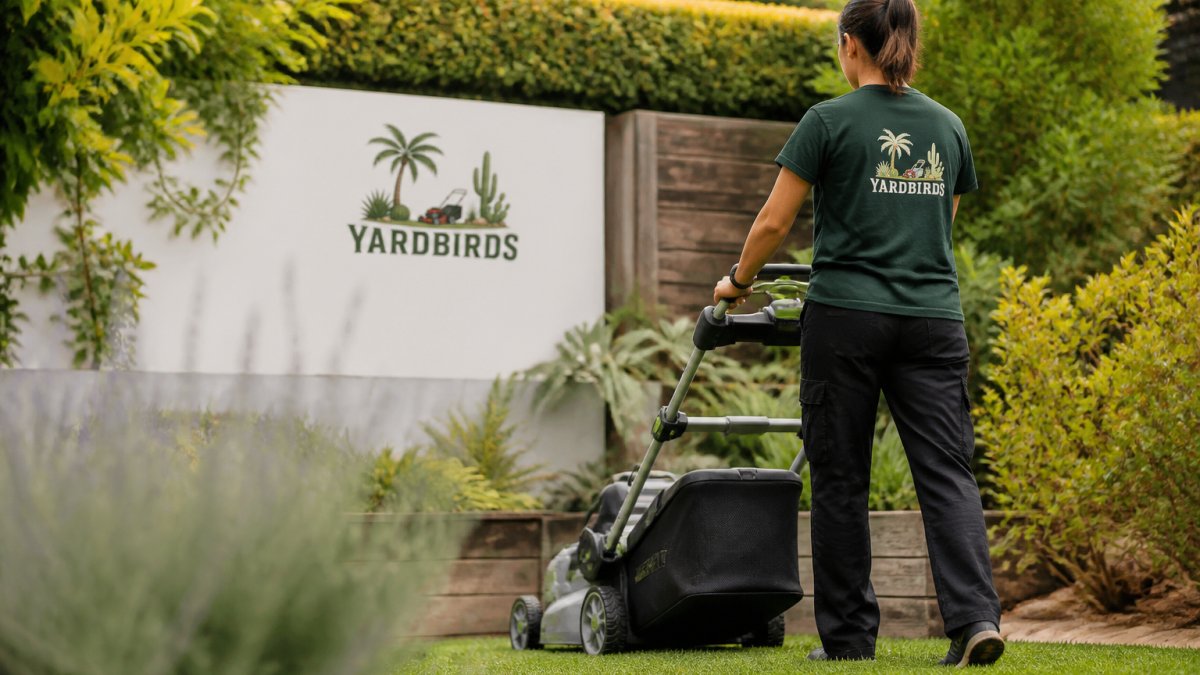
Electric motors deliver instant torque for consistent cutting power through thick or damp grass, and require less maintenance, with no oil changes, spark plugs, or air filters to service. Teams like those at YardBirds Sydney have adopted all-electric equipment across their fleet, demonstrating the technology's power and reliability for professional work.
Mowing, Aeration, and Soil Care: A 2026 Routine
A sustainable mowing routine is a core part of soil care. The golden rule is to never cut more than one-third of the grass blade at a time, as cutting more shocks the plant and weakens its root system.
Leave the grass clippings on the lawn. This practice, known as mulching, returns valuable nitrogen and organic matter to the soil, reducing the need for additional fertiliser. Keep your mower blades sharp; a clean cut heals quickly, while a torn blade end invites disease and moisture loss.
Over time, soil becomes compacted, especially in areas with heavy foot traffic, restricting the flow of air, water, and nutrients to the roots. Core aeration, which involves removing small plugs of soil, relieves compaction and is best done in autumn. Following aeration with a compost top-dressing is the most effective way to rebuild soil health.
Build a Backyard Ecosystem: Biodiversity and Climate-Resilient Lawns
A truly sustainable garden supports biodiversity and adapts to a changing climate. This means rethinking the idea of a perfect, monoculture lawn and instead cultivating a living ecosystem that supports local pollinators, beneficial insects, and soil life.
The Problem with Monoculture Lawns
A traditional lawn of a single grass species is an ecological desert. It provides minimal food or habitat for native insects and birds, requires significant inputs of water and fertiliser, and is highly vulnerable to pests and disease. When one species is stressed, the entire lawn fails.
The Clover Solution and Beyond
White clover (Trifolium repens) stays green longer during dry periods, fixes nitrogen from the air into the soil, reducing your fertiliser needs by up to 30%, and provides a continuous food source for native bees and other pollinators. Unlike exotic groundcovers, clover is well-adapted to the Australian climate and requires minimal maintenance.
Native violets (Viola hederacea) and Dichondra repens are excellent choices for shaded areas, creating a dense, lush groundcover that supports local insect life. In sunnier spots, native daisies (Brachyscome species) add colour and attract a wide range of pollinators, creating a layered habitat that supports a more complex food web.
Reducing Lawn Footprint for Habitat
One of the most impactful strategies for biodiversity is simply reducing the total area dedicated to traditional lawn. Converting a section of underutilised lawn into a native garden bed creates a dedicated habitat zone. When selecting plants, focus on locally native species that provide nectar, seeds, and shelter. For guidance on selecting plants suited to your local area, the planting guides from the Australian Botanic Garden are an excellent starting point for creating a thriving, biodiverse garden.
Supporting the Full Ecosystem
The soil beneath your lawn is home to billions of microorganisms, fungi, and invertebrates that form the base of the food web. Synthetic herbicides and pesticides do not discriminate; they kill beneficial soil organisms and insects alongside the pests. By switching to organic soil-building practices, you support the entire ecosystem, from microscopic bacteria to the birds that feed on the insects your lawn supports.
Leave a small section of your lawn unmown over the summer months. This allows grasses and clover to flower, providing a vital nectar source for pollinators when other plants may be scarce, and attracts insectivorous birds, creating a more balanced backyard ecosystem.
Your Sustainable Lawn Care Action Plan
| Action | When | Frequency | Key Benefit |
|---|---|---|---|
| Mow high (7-8 cm) | Spring to Autumn | Weekly or as needed | Shades soil, suppresses weeds |
| Leave grass clippings | All season | Every mow | Returns nitrogen to soil |
| Core aeration | Autumn | Annually | Relieves soil compaction |
| Compost top-dressing | Spring & Autumn | Twice yearly | Builds soil organic matter |
| Apply corn gluten meal | Early Autumn | Annually | Prevents weed germination |
| Deep, infrequent watering | Dry periods | 1-2 times weekly | Encourages deep root growth |
| Overseed bare patches | Autumn | As needed | Maintains dense, healthy lawn |
Transitioning to a fully sustainable routine takes a season or two. Start with the simplest changes, like adjusting your mowing height and leaving the clippings, then build from there. Focus on building soil health through aeration and compost, and your lawn will naturally become more resilient.
A healthy, sustainable lawn is a long-term project that rewards patience and consistency. YardBirds Sydney supports this transition with professional, eco-friendly lawn mowing and garden maintenance across the Inner West, using modern all-electric equipment and expert lawn shaping tailored to the local climate. Get a free quote and let our fully insured team help you transform your outdoor space into a balanced, thriving retreat.
Frequently Asked Questions
What is the 1/3 rule of mowing for a healthier lawn?
The 1/3 rule means you should never cut more than one-third of the grass blade's height in a single mow. For example, if your lawn is 9 cm tall, you should only remove 3 cm, leaving it at 6 cm. This practice reduces stress on the grass, encourages deeper root growth, and helps the lawn outcompete weeds naturally. It's a cornerstone of sustainable lawn care because it reduces the need for excessive watering and synthetic inputs.
How can I manage weeds naturally without synthetic chemicals?
There are several 7 natural ways to control weeds in lawn without harsh chemicals. Start by maintaining a healthy lawn through proper mowing and fertilisation, as dense grass crowds out weeds. For existing weeds, try hand-pulling after rain, applying corn gluten meal as a pre-emergent in early spring, or using a targeted organic spot spray. Improving soil health with compost top-dressing also makes your lawn more resilient against weed invasion.
What are the best organic lawn fertiliser options available?
Excellent organic lawn fertiliser options include Scotts Turf Builder Organic Choice, which feeds soil microbes, and corn gluten meal, which acts as a natural pre-emergent weed suppressor while providing a nitrogen boost. You can also top-dress with Munns Professional Organic Compost or apply worm castings and seaweed extract for a gentle nutrient release. These options improve soil structure and promote steady growth without the risk of chemical runoff.
Why is electric lawn equipment better for the environment?
The benefits of electric lawn equipment extend beyond zero emissions. Electric mowers and tools are significantly quieter, reducing noise pollution for you and your neighbours. They also eliminate the need for petrol, oil, and spark plugs, which reduces hazardous waste. Modern electric equipment delivers ample power for thick or overgrown grass, making it a practical and eco-conscious choice for sustainable lawn care.
What are the best water-wise gardening tips for dry summers?
Effective water-wise gardening tips for dry summers include watering deeply but less frequently to encourage deep root growth, and doing so in the early morning to minimise evaporation. Install a rain barrel to harvest rainwater for your lawn and consider using a retractable hose reel with leak-free connectors to prevent water wastage. Letting your grass grow slightly longer during summer also shades the soil and reduces moisture loss.