 listicle
Garden Maintenance Pricing for Homes: 2026 Guide
Table of Contents
- What Affects Garden Maintenance Pricing
- Average Hourly Rate for Gardeners
- Eco-Friendly Lawn Mowing Services and Cost
- Strata Garden Maintenance Costs
- Seasonal Garden Maintenance Checklist and Costs
- DIY Versus Professional Garden Maintenance
- Getting a Fair Quote for Garden Maintenance
- Frequently Asked Questions
Last Updated: September 30, 2026
What Affects Garden Maintenance Pricing
Property size and garden complexity are the biggest drivers of how much you'll pay for professional garden maintenance. A small, neat suburban block requires different work than a sprawling property with multiple garden beds, mature trees, and sloped terrain.
Service frequency matters just as much. Weekly maintenance costs less per visit than fortnightly work, since your gardener spends less time catching up on overgrowth. But the total monthly bill depends on how often you actually need attention. A neglected garden might require intensive work upfront, then settle into a predictable rhythm.
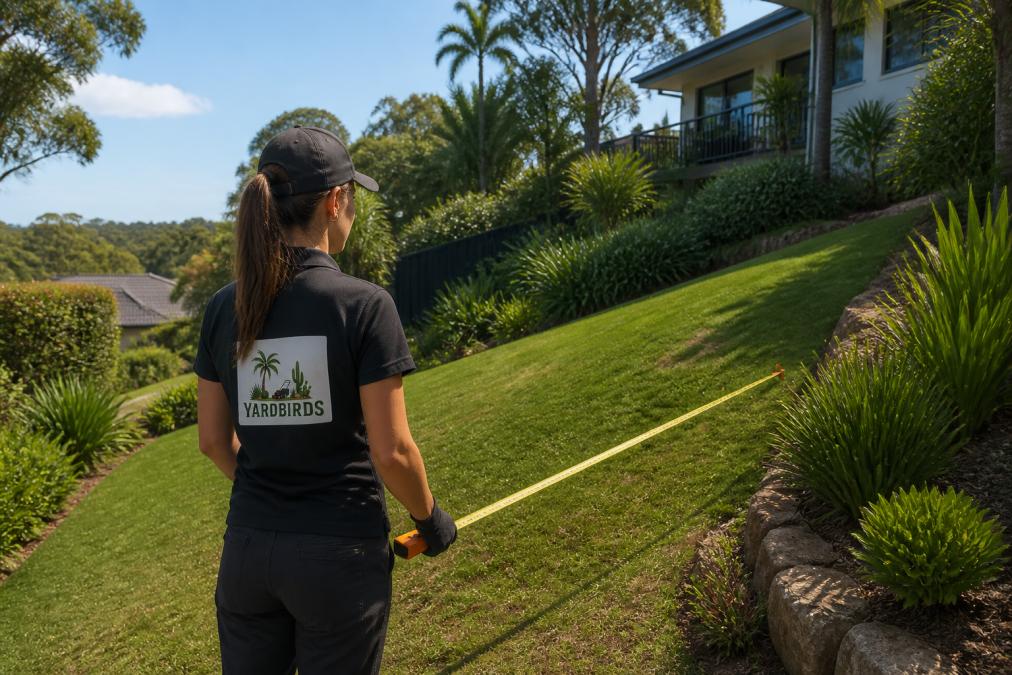
Access and site conditions change everything. A property with narrow gates, steep slopes, or limited parking means longer setup times and more labour. Compacted soil, thick weeds, or established tree root systems also add complexity. These factors don't always show up in a quick quote, they emerge once work begins.
Average Hourly Rate for Gardeners
Hourly rates for gardeners vary depending on experience, equipment, and the type of work. Understanding what sits at each end of that range helps you evaluate quotes fairly.
Entry-level gardeners are often newer to the trade or operate as sole traders with minimal overhead. They handle routine mowing, edging, and basic weeding competently. However, they may lack specialised equipment for complex jobs like tree pruning or stump removal, and insurance coverage varies. These services suit straightforward, low-complexity properties where the scope is clear and the work is predictable.
Mid-range professionals usually have 5+ years' experience, own modern equipment (including electric tools), carry public liability insurance, and can handle varied tasks, hedge trimming, mulching, seasonal pruning, and minor landscaping adjustments. They work more efficiently than entry-level gardeners. Most homeowners find this tier offers the best balance of quality, reliability, and value.
Specialist or premium gardeners bring advanced qualifications, high-end equipment, and a track record with complex properties. They may specialise in native plantings, heritage gardens, or large-scale maintenance contracts. They're the choice for difficult terrain, heritage properties, or when you need expert design input alongside maintenance.
What's included in standard rates varies significantly. Most cover basic mowing, edging, and leaf cleanup. Hedge trimming, pruning, weeding, mulching, and green waste removal often cost extra. Some gardeners bundle these into a fixed weekly or fortnightly package; others charge à la carte. This is where vague quotes become expensive surprises.
Hourly rates versus fixed-price quotes represent two different approaches, each with trade-offs. Hourly work suits variable jobs where the scope isn't clear upfront, your gardener arrives, assesses what needs doing, and charges for the time spent. This protects them if the job proves more demanding than expected, but it leaves you uncertain about the final cost until the invoice arrives. Fixed-price quotes work better for defined tasks: "mow and edge the lawn" or "tidy the front garden beds." You know the cost in advance, and the gardener is motivated to work efficiently. The catch is that many gardeners won't quote fixed prices for complex or unfamiliar properties, because the risk of underestimating falls entirely on them.
Always clarify what the quoted rate covers before booking. Ask whether green waste removal is included or charged separately, whether mulching is part of the standard service, and whether seasonal work (like spring aeration or autumn leaf cleanup) is priced differently. Request a written quote that itemises these details rather than a verbal estimate. This protects both you and the gardener by setting clear expectations upfront.
Eco-Friendly Lawn Mowing Services and Cost
Electric equipment is becoming standard across professional gardening, and it affects pricing in ways worth understanding. All-electric mowers and trimmers run quieter, produce zero emissions, and require less maintenance than petrol tools. For homeowners concerned about environmental impact, this shift is welcome, but the cost equation is more nuanced than simply "electric costs more."
Why electric equipment affects pricing comes down to upfront investment and battery management. Quality electric gear costs $2,000-$5,000 more to purchase than petrol equivalents. Gardeners who've invested in modern equipment often charge slightly more per hour to recover that capital cost over time. However, lower fuel and maintenance expenses can offset this for frequent users: electric tools eliminate fuel costs, require no oil changes or spark plug replacements, and have fewer moving parts to wear out. Over a 5-7 year lifespan, the total cost of ownership often favours electric equipment, even at a higher hourly rate.
The real advantage emerges over time and across your neighbourhood. Electric tools mean no fumes drifting across your garden, quieter work that won't disturb neighbours early on a Saturday morning, and better air quality for your gardener during an 8-hour working day. If sustainability matters to your household, the modest price premium aligns with your values. For properties in noise-sensitive areas or where you value early-morning or evening maintenance, the quieter operation alone may justify the cost.
Many gardeners now offer eco-friendly options explicitly, and some have made the transition entirely. Gardeners equipped with all-electric tools often market this as a differentiator, particularly in environmentally conscious suburbs.
Strata Garden Maintenance Costs
Strata properties present unique challenges. Managing multiple stakeholder expectations means your gardener needs to understand building codes, body corporate approvals, and shared responsibility for common areas.
Seasonal Garden Maintenance Checklist and Costs
Spring and summer maintenance priorities differ sharply from autumn and winter work. Your garden's needs shift with the season, and so does the labour required.
DIY Versus Professional Garden Maintenance
When professional service makes financial sense depends on your time, physical capacity, and how much you enjoy gardening. Some homeowners find the work therapeutic; others see it as a chore they'd rather outsource.
Getting a Fair Quote for Garden Maintenance
What to ask before committing separates good gardeners from unreliable ones. Start with a site visit. Any gardener who quotes over the phone without seeing your property is guessing.
During the visit, ask these questions:
- How often do you recommend mowing during peak season?
- What's included in your standard rate, and what costs extra?
- Do you handle green waste removal, or does the client arrange it?
- Are you fully insured, and can you provide a certificate?
- How do you handle cancellations or rescheduling?
- What's your notice period if you need to stop the service?
- Do you offer fixed prices or hourly rates, and why?
Frequently Asked Questions
How much do gardeners charge per hour in Sydney?
Hourly rates for garden maintenance vary depending on the service provider and the complexity of the work. According to industry data, rates typically range from $45 to $100 per hour, with variation based on experience, equipment type, and whether the gardener operates independently or as part of a larger service. For accurate pricing relevant to your property, request a no-obligation quote from providers in your area, as rates depend on factors like site access, garden size, and the specific services needed.
What factors influence the cost of garden maintenance?
Several key factors affect garden maintenance pricing: property size (measured in square metres), garden complexity (number of plant types, hardscaping, slopes), service frequency (weekly, fortnightly, monthly), site access (narrow gates, sloped blocks, limited parking), and additional services like hedge trimming, weeding, mulching, and green waste removal. Seasonal demand also plays a role, spring and summer typically see higher rates due to increased workload. Eco-friendly equipment and fully insured professionals may have different pricing structures than standard services.
Is it more cost-effective to hire a gardener or do it yourself?
Professional garden maintenance saves time and often prevents costly mistakes, but the financial case depends on your situation. DIY work requires purchasing and maintaining equipment (mowers, trimmers, tools), learning proper techniques, and investing significant time weekly. For most homeowners, the convenience and expertise of professional service, especially for complex tasks like hedge trimming, weeding, and mulching, justifies the cost. Regular professional maintenance also helps preserve property value and garden health, which can offset the service expense over time.
What services are typically included in a standard garden maintenance visit?
Standard garden maintenance typically includes lawn mowing, edging, basic weeding, and tidying. Some providers include mulching, light pruning, and removal of fallen leaves. However, services vary by provider and pricing tier. Additional services like hedge trimming, deep weeding, garden restoration, and green waste removal usually incur extra costs. Always clarify what's covered in your quote, as 'standard' differs between contractors. Ask whether green waste disposal is included or charged separately, as this affects your total cost.
Does regular garden maintenance add value to a property?
Yes, well-maintained gardens contribute to property value and curb appeal. Regular lawn care, garden health, and professional landscaping create a positive first impression for potential buyers or renters. A neglected garden can detract from property value, whilst consistent maintenance, including seasonal care, pest management, and proper lawn shaping, demonstrates care and investment. For strata properties and rental homes, professional garden maintenance is particularly important for maintaining standards and tenant satisfaction. The return on investment varies by location and property type, but professional upkeep is generally viewed as a worthwhile expense.