 blog
Common Garden Maintenance for Strata Properties
Last Updated: October 22, 2026
Quick Summary
Strata garden maintenance is the responsibility for caring for shared outdoor spaces within a strata scheme, with the body corporate holding legal responsibility for common property. Regular maintenance on a fortnightly or weekly schedule, supported by a detailed contract specifying scope and performance standards, keeps gardens thriving and prevents disputes among multiple owners.
- Body corporate must maintain common gardens to a reasonable standard as defined in the scheme's by-laws and rules.
- Fortnightly maintenance visits suit most residential strata gardens and prevent weeds from seeding and pest problems from escalating.
- Contractors must carry public liability insurance and workers compensation insurance, with proof required before work begins.
- Written contracts should specify exact scope of work, visit frequency, cost, payment terms, and performance standards to prevent disputes.
- Regular monitoring through photos and inspection checklists helps track quality and catch declining plant health or increasing weed pressure early.
Table of Contents
- Understanding Strata Garden Maintenance Responsibilities
- Strata Garden Maintenance Checklist: What Needs Regular Attention
- Garden Maintenance Schedule for Strata Properties
- Strata Gardening Contractor Insurance and Safety Standards
- Strata Garden Maintenance Contract: Essential Terms and Scope
- Selecting a Garden Maintenance Provider for Strata Communities
- Frequently Asked Questions
Understanding Strata Garden Maintenance Responsibilities
Strata garden maintenance is the responsibility for caring for shared outdoor spaces within a strata scheme. In residential buildings with multiple owners, these common areas belong to the body corporate, which means the collective responsibility for upkeep falls to the owners and their appointed representatives. Understanding who does what, and when, prevents disputes and keeps gardens thriving.
The division of responsibility between the body corporate and individual lot owners depends entirely on what the strata scheme documents say. Some gardens are common property, maintained by everyone through the body corporate. Others are exclusive-use areas assigned to specific owners. A third category includes private lots where individual owners have full control. This distinction matters enormously when budgeting for maintenance and deciding who pays for what.
Body Corporate and Owners Corporation Duties
The body corporate (also called the owners corporation in some states) holds legal responsibility for common property. This includes shared gardens, foyers, communal courtyards, and landscaped areas that serve the entire building. The body corporate must maintain these spaces to a reasonable standard, which means regular upkeep, repairs, and replacements when needed.
The strata committee acts on behalf of the body corporate, making decisions about maintenance contractors, budgets, and standards. Committee members typically review quotes, approve work orders, and monitor contractor performance. This committee role can be complex when residents disagree about garden aesthetics or maintenance frequency.
The body corporate's obligations are set out in the strata scheme's by-laws and rules. These documents define what counts as common property and what maintenance standards apply.
Common Property vs Lot Owner Responsibilities
Common property maintenance falls to the body corporate. Private lot maintenance falls to individual owners. Exclusive-use areas, outdoor spaces assigned to a specific lot but still technically common property, sit in the middle. The owner of an exclusive-use area usually maintains it, but the body corporate retains ownership and may set standards.
This split matters when budgeting. If a garden bed is common property, the body corporate pays for its care through levies. If it's an exclusive-use area or private lot, the individual owner pays. Disputes often arise when boundaries blur: is that small courtyard garden common property or exclusive-use?
Lot owners cannot alter common property without approval from the body corporate or strata committee. This means removing a tree, changing plantings, or installing garden features requires a formal request and usually a vote. The approval process protects the building's appearance and prevents one owner's changes from affecting others.
Strata Garden Maintenance Checklist: What Needs Regular Attention
A structured approach to strata garden maintenance prevents neglect and keeps costs predictable. Regular tasks fall into weekly, monthly, and seasonal categories. This checklist helps strata managers and committees track what needs doing and when.
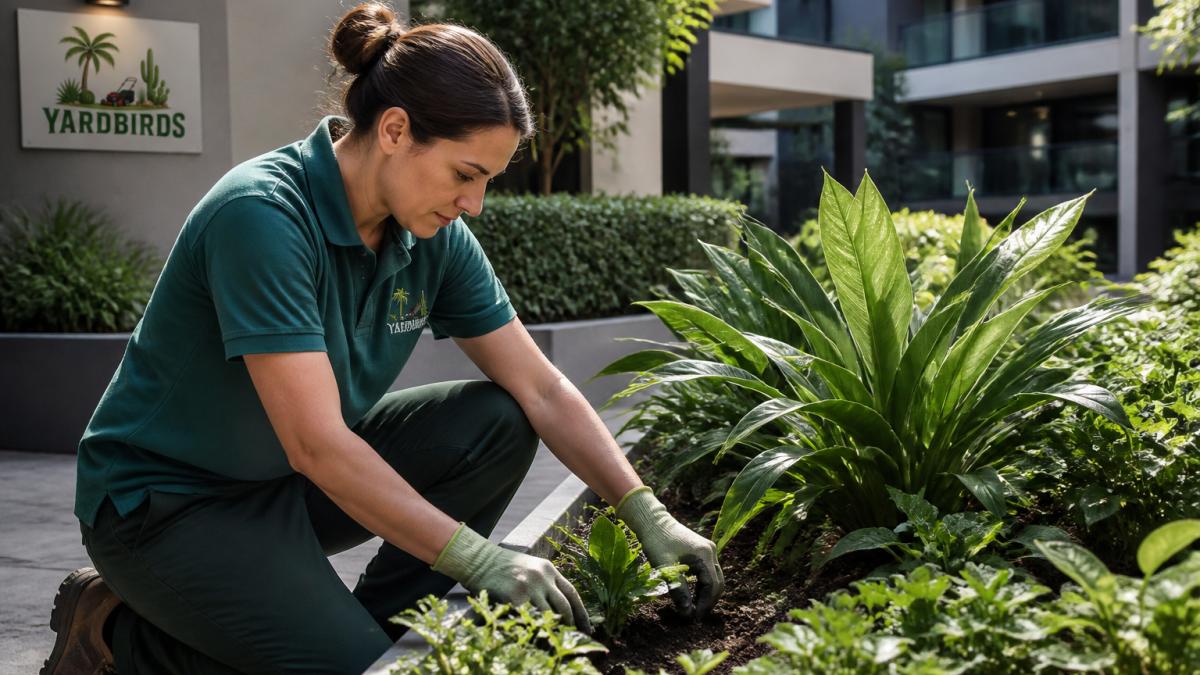
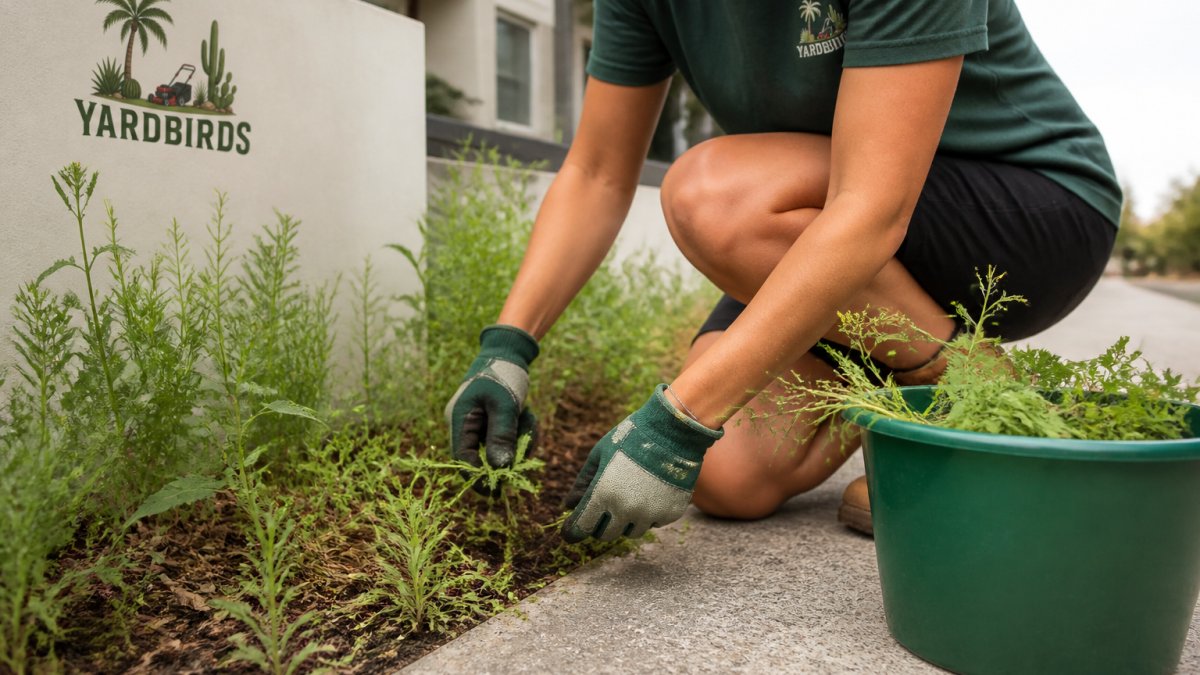
Weekly tasks include mowing (where applicable), edging paths, and removing obvious debris. Monthly tasks cover fertilising, pest inspection, pruning back overgrowth, and checking irrigation systems. Seasonal tasks vary by climate but typically include deep weeding, mulch replacement, planting annuals, and preparing gardens for summer or winter stress.
Seasonal Tasks and Climate Considerations
Sydney's climate means different garden demands across the year. Spring brings growth and pest pressure. Summer demands frequent watering and shade management. Autumn is ideal for planting and soil improvement. Winter is quieter but still requires maintenance.
Spring maintenance focuses on new growth and pest control. Weeds germinate rapidly as soil warms. Aphids, scale insects, and spider mites emerge. This is the time to refresh mulch, prune back winter-damaged growth, and prepare irrigation systems for heavier use.
Summer requires vigilance around water use and heat stress. Native plants suited to Sydney's climate handle heat better than exotic species, but even hardy plants need consistent moisture during dry spells. Mowing frequency increases. Pest populations peak.
Autumn is the best planting season. Soil is warm enough for roots to establish, and rainfall is more reliable. This is when to refresh tired garden beds, plant trees, and add seasonal colour.
Garden Maintenance Schedule for Strata Properties
A consistent schedule keeps costs down and gardens looking intentional. Most strata properties benefit from fortnightly or weekly visits, depending on garden size and complexity. The schedule should account for seasonal variation, some properties need more frequent visits in spring and summer, fewer in winter.
Fortnightly maintenance suits most residential strata gardens. This frequency prevents weeds from seeding, keeps mowing manageable, and catches pest problems early. Weekly visits suit larger properties or those with high-maintenance plantings. Monthly visits work only for very small gardens or low-maintenance native plantings, and they often lead to catch-up work that costs more than regular care.
The contract should specify what each visit includes: mowing, edging, weeding, pruning, and debris removal. It should also specify what's not included, tree removal, deep soil work, or replanting, so there are no surprises. A clear scope prevents disputes and helps contractors quote accurately.
Strata Gardening Contractor Insurance and Safety Standards
Any contractor working on strata property must carry appropriate insurance. This protects the body corporate, residents, and the contractor if something goes wrong.
Insurance requirements vary by state, but public liability cover of at least $20 million is standard for contractors working on residential buildings. Workers' compensation is mandatory in most states if the contractor has employees.
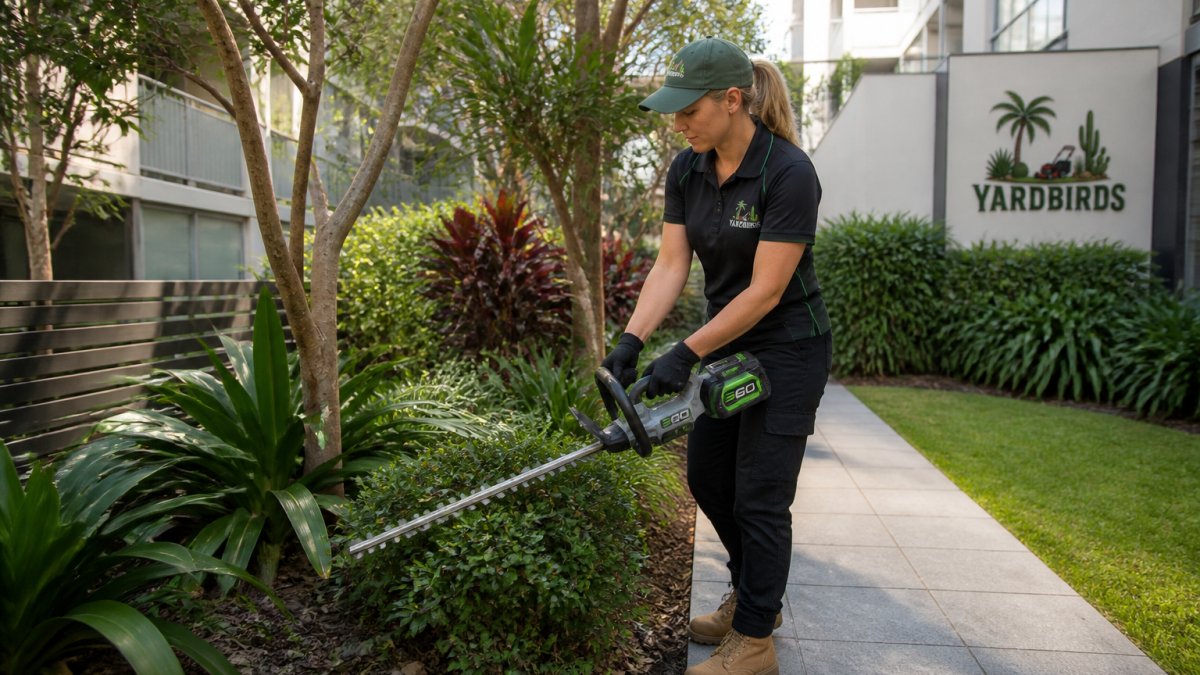
Safety standards matter on shared property. Contractors should follow safe work practices: wearing appropriate gear, securing equipment, and avoiding work during hours when residents are likely to be disturbed. All-electric equipment reduces noise and emissions, which many residents prefer.
Request a Safety Data Sheet (SDS) for any chemicals used. This shows what products are being applied and any precautions needed. Some strata schemes restrict certain chemicals or require eco-friendly alternatives. Discussing this upfront prevents conflicts and ensures the contractor can meet your standards.
Strata Garden Maintenance Contract: Essential Terms and Scope
A written contract protects everyone. It should include the scope of work, visit frequency, cost, payment terms, insurance details, and what happens if work isn't completed or quality drops. Vague contracts lead to disputes; detailed ones prevent them.
Scope of work should list exactly what the contractor will do: mowing height, edging frequency, weeding depth, pruning standards, debris removal, and any seasonal variations. It should also list what's excluded: tree felling, soil replacement, replanting, or pest control treatments (if applicable).
Visit frequency and timing should be specified: fortnightly on Thursdays, for example, or weekly during spring and fortnightly in winter.
Cost and payment terms should be clear: the total monthly cost, when payment is due, and whether the price changes seasonally. It should specify whether price adjustments for inflation are built in or negotiated annually.
Performance standards help manage expectations.
Service Level Expectations and Performance Monitoring
A maintenance contract is only as good as the contractor's follow-through. Regular monitoring ensures standards are met and problems are caught early. The strata committee or manager should inspect work shortly after each visit and keep records.
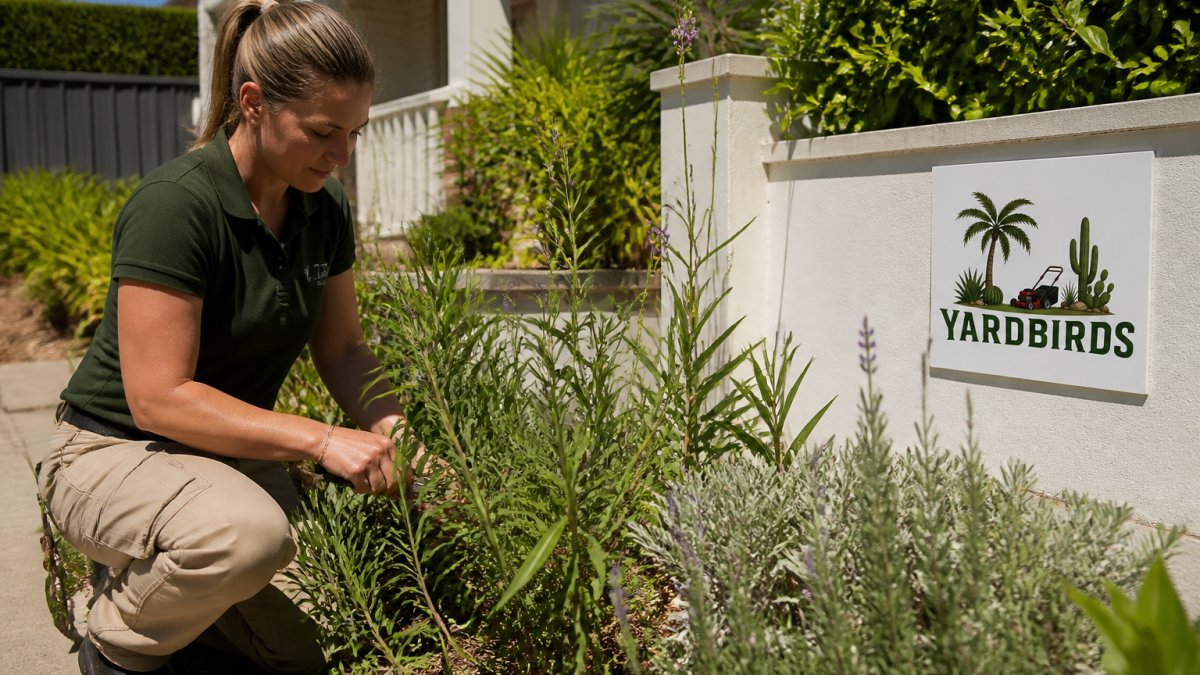
Photos are invaluable. Take pictures of key garden areas before the contract starts, then monthly during the contract. This creates a visual record of quality and helps spot trends, like declining plant health or increasing weed pressure, that might signal a problem.
Communication between the body corporate and contractor matters. If something isn't meeting standards, raise it promptly. Good contractors welcome feedback and adjust their approach. If issues persist, the contract should allow for a formal review or termination clause.
Selecting a Garden Maintenance Provider for Strata Communities
Choosing the right contractor can take time, but it's worth the effort. Start by asking for referrals from other strata schemes or property managers. Check online reviews, but remember that unhappy customers are more likely to leave reviews than satisfied ones, a few positive reviews from verified customers is often a good sign.
Interview multiple contractors. Ask about their experience with strata properties, their approach to common-area maintenance, and how they handle approval processes. A contractor familiar with strata schemes understands the committee approval process and knows how to communicate with multiple stakeholders.
Ask for references from strata properties they currently service. Contact those references and ask specific questions: Does the contractor show up on schedule? Do they respond to requests? Have there been any issues? How was quality in year one versus year three? Long-term contracts reveal a lot.
Assessing Quality and Reliability
Reliability matters more than lowest price. A cheap contractor who misses visits or delivers poor work costs more in the long run. Look for contractors who are fully insured, have been in business for several years, and can provide references from strata properties.
Eco-friendly practices are increasingly important. Contractors using all-electric equipment reduce emissions and noise, which benefits residents. Ask whether they use organic pest-control methods or chemical-free weed management. These practices often cost slightly more but align with modern environmental expectations.
A contractor's communication style matters. They should be easy to reach, respond to messages within a day, and provide clear updates on work completed. They should also be transparent about pricing, no surprise charges or vague quotes.
Selecting the right strata garden maintenance provider comes down to finding someone reliable, insured, and experienced with multi-owner buildings.
Frequently Asked Questions
Who is responsible for maintaining common gardens in a strata property?
The body corporate or owners corporation is responsible for maintaining common property, including shared gardens and landscaped areas. The strata scheme documents and by-laws specify which areas are common property versus exclusive-use areas. Individual lot owners are responsible only for their own private gardens. The strata manager typically coordinates maintenance on behalf of the body corporate, but the committee must approve major work.
What should a strata garden maintenance contract include?
A strata garden maintenance contract should clearly define the scope of work, frequency of visits, specific tasks (mowing, weeding, pruning, fertilising), response times for emergency repairs, insurance requirements, performance standards, approval procedures for alterations, and dispute resolution processes. The contract must align with the strata scheme by-laws and include provisions for seasonal adjustments and weather-related delays.
What insurance should a strata gardening contractor have?
A strata gardening contractor should carry public liability insurance to protect against property damage or injury claims. Workers' compensation insurance is required if they employ staff. The body corporate should verify current insurance certificates before engaging a contractor. Insurance requirements may be specified in the strata scheme by-laws or maintenance guidelines. Always request proof of coverage and confirm the policy is active.
How often should common gardens in a residential building be maintained?
Maintenance frequency depends on the garden type, plant species, season, and local climate conditions. Most strata properties require weekly or fortnightly mowing during growing season, with reduced frequency in winter. Weeding, pruning, and inspection may occur monthly or quarterly. The maintenance schedule should be documented in the strata garden maintenance contract and adjusted seasonally to reflect changing growth rates and weather patterns.