 blog
Neat Weeds alternatives for strata: A 2026 guide
Table of Contents
- What strata garden maintenance actually involves
- Key differences between strata and residential garden services
- Strata gardener qualifications and what to verify
- Creating a strata garden maintenance schedule that works
- What should be in a strata gardening contract
- Building your strata garden maintenance checklist
- How to evaluate and choose a strata garden provider
- Frequently Asked Questions
Last Updated: October 18, 2026
What strata garden maintenance actually involves
Strata garden maintenance covers all the outdoor spaces that belong to the building collectively, not individual units. This includes common gardens, shared pathways, lawn areas, hedges, and any plantings around the property perimeter. It's fundamentally different from maintaining a private residential garden because multiple owners have a stake in the outcome.
The work typically spans regular weeding of garden beds and path cracks, lawn mowing and edging, hedge trimming and pruning, fertilising, soil preparation, and seasonal clean-ups. Many strata properties also need moss and algae management on shared areas, groundcover maintenance, and green-waste removal. The frequency and scope depend entirely on the property's layout, climate exposure, and what the body corporate has budgeted for.
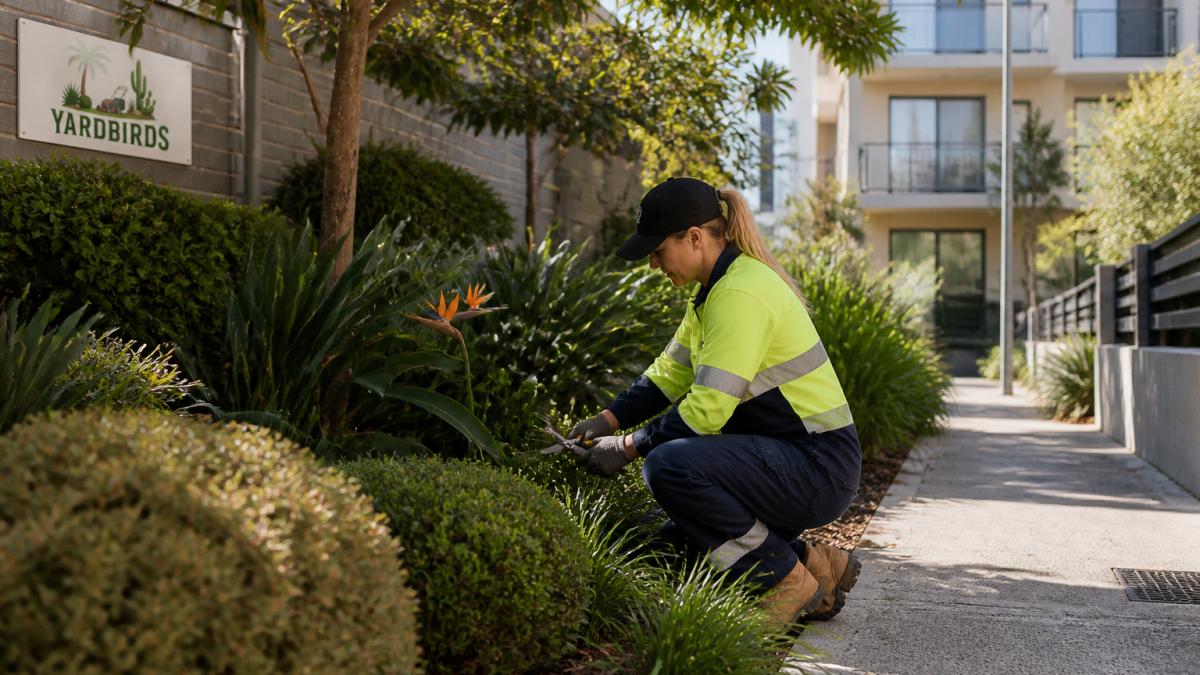
What makes strata work distinct is the coordination required. A single gardener isn't just responding to one owner's preferences, they're managing expectations across dozens of unit owners, plus liaising with the body corporate or strata manager. This is why finding reliable Neat Weeds alternatives for strata requires more than just horticultural skill. You need someone who understands the complexity of shared decision-making and can deliver consistent results that satisfy multiple stakeholders.
Key differences between strata and residential garden services
A residential gardener works with one decision-maker and one vision for the garden. A strata gardener works with a committee, multiple preferences, and formal approval processes. This changes everything about how the work gets planned and executed.
Strata gardens also tend to be larger in total area but more uniform in design. Residential gardens are often eclectic, a vegie patch here, native plantings there, a feature tree, paving, decking. Strata common areas are typically standardised: lawn, hedge lines, garden beds in consistent locations. This uniformity can make the work more efficient, but it also means there's less room for creative problem-solving.
Budget cycles are another key difference. A homeowner can call a gardener when they feel like it. A strata committee typically approves an annual maintenance budget and schedule. The gardener needs to work within those constraints and provide transparent reporting to justify the spend. This is where many Neat Weeds alternatives for strata fall short, they treat strata like residential work and don't build in the communication and documentation that body corporates actually need.
Insurance and liability sit at a different level too. A homeowner's gardener might have basic public liability. A strata gardener needs to demonstrate they're properly insured and compliant with building regulations. They may also need to follow specific protocols around chemical use, waste disposal, and working hours in residential areas.
Strata gardener qualifications and what to verify
There's no single "strata gardener qualification" in Australia, but there are standards you should look for. Start by checking whether the person or company holds a current Horticulture or Landscape qualification from a recognised training provider. This shows foundational knowledge of plant health, soil management, and seasonal care.
More importantly, verify their insurance. Public liability insurance is essential, ask for a certificate of currency and confirm the cover is active. For strata work specifically, you want to see they understand building and property management compliance. Some providers complete additional training in body corporate procedures or have experience managing multiple stakeholders.
References matter enormously. Ask for strata-specific references, not just residential work. Call those references and ask specific questions: Did the gardener turn up on schedule? Did they communicate clearly with the committee? How did they handle disagreements about what needed doing? Were they transparent about costs?
Experience managing shared spaces is the real differentiator. A gardener with five years of strata work will understand the rhythm of committee approvals, seasonal budgeting, and the politics of keeping multiple owners satisfied. Someone fresh to strata work may be technically skilled but will struggle with the coordination side.
Creating a strata garden maintenance schedule that works
A solid maintenance schedule starts with a site assessment. The gardener should walk the entire common property, identify what needs doing, and propose a frequency for each task. Lawn mowing might be fortnightly in summer and monthly in winter. Weeding could be quarterly or as-needed depending on pressure. Hedge trimming might happen twice yearly. Fertilising and soil prep typically happen seasonally.
The schedule needs to align with the body corporate's budget cycle and approval process. Most committees meet monthly or quarterly, so the gardener should propose a schedule that fits those meetings and allows time for approval before work starts. This prevents the frustration of a gardener showing up to do work that hasn't been formally approved yet.
Document everything in writing. The schedule should specify which areas get which tasks, how often, and roughly when in the year. This becomes the reference point when unit owners ask why the hedge hasn't been trimmed or why weeding isn't happening weekly. Transparency about the schedule reduces complaints and makes the gardener's job easier.
Seasonal variation is crucial. Sydney's climate means different maintenance needs across the year. Summer is peak mowing season and high weed pressure. Autumn is ideal for pruning and planting. Winter is quieter but still needs moss management and path maintenance. Spring brings the rush of new growth. A gardener who understands these rhythms will propose a schedule that's realistic and cost-effective.
| Season | Primary Tasks | Frequency | Notes |
|---|---|---|---|
| Spring | Weeding, fertilising, new plantings | Fortnightly mowing | High growth period |
| Summer | Mowing, weed control, watering | Weekly to fortnightly | Peak maintenance |
| Autumn | Pruning, hedge trim, soil prep | Fortnightly mowing | Ideal planting window |
| Winter | Moss management, path clearing | Monthly mowing | Lower activity |
What should be in a strata gardening contract
A proper contract protects both the body corporate and the gardener. It should specify exactly what work is included, how often it happens, and what the cost is.
Include a clause about how changes are approved. If the committee wants extra work done mid-year, how does that get quoted and approved? If an area needs urgent attention, what's the process? This prevents scope creep and ensures the gardener isn't working unpaid hours on undocumented extras.
Insurance requirements should be in the contract. Specify the minimum public liability cover required and ask for proof of currency at the start and annually. Include a clause about what happens if the gardener causes damage, who's responsible, how it gets resolved.
Scheduling and communication protocols matter too. When does the gardener arrive? How much notice do they need if the schedule needs to shift? Who do they report to, the strata manager, a committee member, the building manager? What happens if they can't make a scheduled visit?
Include performance standards. What does "mowed" actually mean, height of cut, edging done, clippings removed? What counts as "weeded", every weed gone, or major weeds only? These details prevent disputes about whether work has been done to standard.
Pricing should cover what's included and what costs extra. Is green-waste removal included or billed separately? Do chemical treatments cost more? Are seasonal variations (like extra spring pruning) at the agreed rate or subject to additional quotes? Transparency here builds trust and prevents bill shock.
Building your strata garden maintenance checklist
A maintenance checklist is your quality control tool. It documents what's been done, when, and to what standard. This protects the body corporate by creating an audit trail and protects the gardener by proving they've delivered what was contracted.
The checklist should include every task in your maintenance schedule. Lawn mowing: yes or no, height of cut, edges done. Weeding: garden beds checked, path cracks cleared. Hedges: trimmed to height, shaped, debris removed. Fertilising: areas treated, product used, date applied. Each task gets a date, initials, and any notes about issues found or extra work needed.
Include a section for safety and compliance checks. Was the area safe to work in? Any hazards identified? Any damage to property or injury incidents? This documentation protects everyone if something goes wrong.
Take photos monthly. A visual record of the common areas shows progression and helps the committee see the value of the maintenance spend. Photos also provide evidence if a dispute arises about whether work was completed to standard.
Build in a quarterly review. Every three months, the gardener and the body corporate should review the checklist, discuss what's working and what isn't, and adjust the schedule if needed. This keeps the arrangement responsive to actual conditions rather than locked into a rigid plan.
How to evaluate and choose a strata garden provider
Start by defining what you actually need. Walk the property with the strata manager or a committee member. What areas need work? What's the current state? What problems keep coming up? This clarity helps you brief potential providers accurately and compare their responses.
Get at least three quotes. Ask each provider to visit the site, assess the work needed, and provide a written proposal. The proposal should detail what's included, frequency, pricing, and how they'd handle communication with the committee.
Check references specifically for strata work. Ask how the provider handled committee meetings, whether they communicated proactively about issues, and how they managed requests from multiple stakeholders. A provider who's comfortable with the strata environment will have confident, detailed answers.
Interview the actual person or team who'd do the work, not just the office staff.
Verify insurance and check their approach to chemicals and waste. Ask about their environmental practices, particularly if your strata has sustainability goals. Some providers use electric equipment or organic weed control, if that matters to your committee, confirm they can deliver it.
Look at their communication systems. Do they provide regular progress reports? Can the strata manager or committee chair check on work via photos or a portal? How quickly do they respond to queries?
Choosing a strata gardener is about finding someone who understands the unique demands of managing shared spaces for multiple owners.
Get a free quote from YardBirds Sydney and discover how professional strata garden maintenance transforms your common property into a well-maintained asset that all owners can take pride in.
Frequently Asked Questions
What qualifications should a professional strata gardener have?
A qualified strata gardener should hold relevant horticultural or landscaping qualifications, proof of public liability insurance, and experience managing shared common-property gardens. Ask for references from other strata properties they've serviced. Many providers hold certifications in plant health, pest management, or landscape design. Verify their insurance covers damage to property and injury, and confirm they understand body corporate requirements and strata committee decision-making processes.
How often should common-property gardens be maintained?
Maintenance frequency depends on plant types, climate, and property presentation goals. Most strata properties benefit from fortnightly or monthly visits during growing seasons, with reduced frequency in winter. High-traffic areas, shared gardens, and lawns typically need more frequent attention than established shrubland. Your strata garden maintenance schedule should reflect seasonal growth patterns and include regular weeding, edging, and debris removal. A site assessment by your chosen provider helps determine the right frequency for your property.
What should a strata gardening contract include?
A solid strata gardening contract should specify service frequency, exactly what tasks are included (lawn mowing, weeding, edging, pruning, waste removal), response times for urgent issues, insurance details, payment terms, and cancellation conditions. It should outline how changes are requested through the strata committee, include a site assessment or baseline photo, and clarify responsibility for plant damage or property damage. Include performance standards and how disputes are resolved. The contract protects both the provider and the body corporate.
How can a strata committee compare gardening service quotes?
Request quotes from multiple providers using the same detailed brief: list all garden areas, current plant types, maintenance frequency desired, and specific services needed. Ask each provider to visit the site and provide a written quote with itemised services, pricing structure, insurance proof, and references. Compare not just cost but service scope, response reliability, experience with strata properties, and whether they offer flexibility for seasonal changes. Check reviews and contact previous strata clients. The cheapest option often costs more in hidden problems later.