 comparison
NeatWeeds Alternatives for Strata Maintenance
Table of Contents
- Why Strata Managers Look Beyond Single Providers
- Professional Strata Maintenance Services as Alternatives
- Sustainable Ground Cover Alternatives to Traditional Lawn
- Essential Qualifications for Professional Strata Gardeners
- Strata Garden Maintenance Compliance NSW
- Strata Garden Maintenance Contract Checklist
- How to Transition Between Maintenance Providers
- Vetting Criteria for Strata Contractors
- Frequently Asked Questions
Last Updated: September 24, 2026
Why Strata Managers Look Beyond Single Providers
Strata managers face a constant challenge: keeping common garden areas looking sharp without breaking the budget or creating endless headaches, which is why exploring strata maintenance alternatives has become essential. The reality is that one contractor rarely fits every need, which is why many body corporates explore strata maintenance alternatives. Whether you're dealing with noise complaints from electric mowers, water restrictions, or just the need for more flexibility, understanding your options transforms how you approach garden care.
The truth is that strata gardens aren't simple lawns. They're shared spaces where aesthetics matter, compliance is non-negotiable, and reliability can make or break your relationship with residents. A single provider might excel at mowing but fall short on hedge trimming or seasonal transitions. That's where alternatives come in, different service models, ground cover options, and contractor types that let you build a maintenance strategy tailored to your specific property.
YardBirds Sydney understands this complexity. As a female-founded business serving strata properties across the Inner West, they've built their approach around the reality that one-size-fits-all doesn't work for shared spaces. Their use of all-electric equipment addresses noise concerns common in high-density complexes, while their focus on sustainable practices aligns with the environmental expectations many body corporates now face. But they're not the only option worth considering, and knowing what else exists helps you make a smarter choice.
Professional Strata Maintenance Services as Alternatives
When you're evaluating NeatWeeds alternative for strata maintenance, the first place to look is the full-service providers who specialise in multi-unit properties. These teams understand the complexity of strata gardens in ways general contractors often don't.
Full-Service Garden Maintenance Teams
A dedicated strata maintenance team brings structured expertise to common property care. These providers typically offer scheduled visits with fixed service packages, which means predictable costs and consistent quality. The advantage is clear: they've worked with dozens of strata schemes, so they understand the compliance requirements, the politics of resident feedback, and how to manage gardens that need to look good year-round.
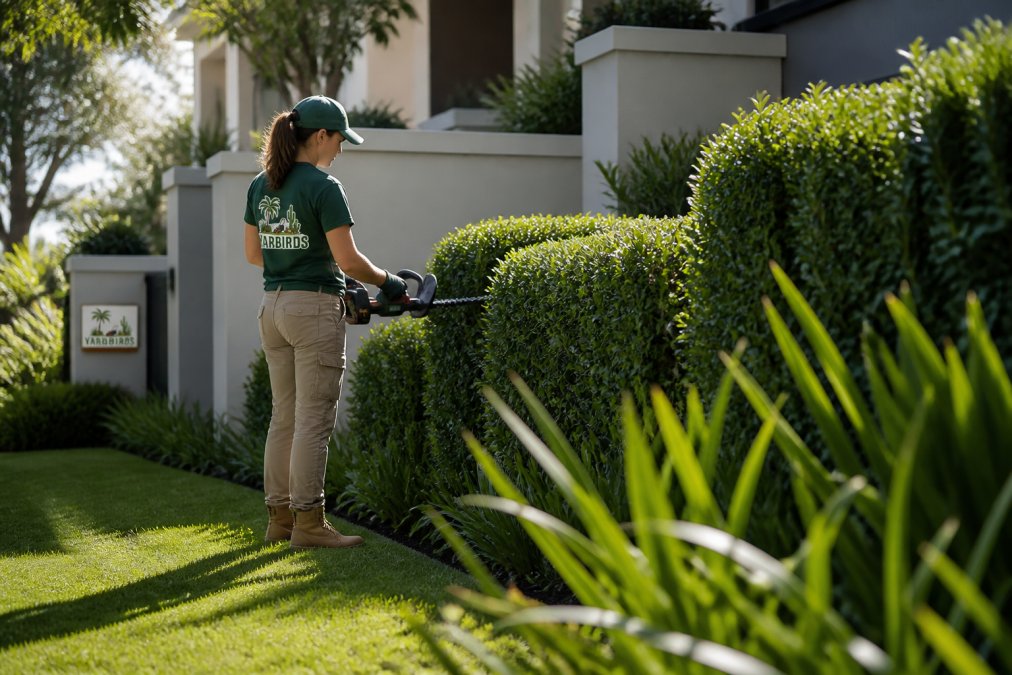
Full-service teams usually handle lawn mowing, edging, hedge trimming, weeding, and mulch application in a single visit. This coordination matters more than it sounds, when one team manages everything, the garden develops visual consistency. They also handle seasonal transitions smoothly, knowing exactly when to shift from summer watering schedules to autumn leaf clearance.
Eco-Friendly and Electric Equipment Providers
Noise pollution in strata complexes is a genuine issue. Residents complain about early-morning mowing, and body corporates end up mediating disputes that have nothing to do with garden quality. Electric equipment providers solve this by eliminating the noise and emissions of traditional fuel-powered gear.
YardBirds Sydney leads here with their commitment to all-electric equipment. This isn't just marketing, it's a practical solution for properties where residents live metres from the garden. Electric mowers and trimmers run quieter, which means you can schedule maintenance at times that don't trigger complaints. The equipment also performs reliably in Sydney's climate, delivering consistent results without the maintenance headaches of older fuel-powered tools.
The secondary benefit is sustainability. If your body corporate has made environmental commitments or wants to appeal to environmentally conscious residents, electric providers align with those values. It's not a minor point, many strata communities now factor sustainability into their decision-making.
Sustainable Ground Cover Alternatives to Traditional Lawn
Here's where many strata managers miss a major opportunity: you don't have to stick with grass. Rethinking what covers your common areas can slash maintenance costs, reduce water use, and actually improve how the space looks.
Native Plant Ground Covers
Native ground covers are the smart long-term play for strata properties. Once established, they require minimal intervention, no mowing, no fertilising, and far less watering than traditional lawn. Indigenous Australian plant species are adapted to local conditions, which means they handle Sydney's dry spells and heavy rains without constant fussing.
The aesthetic benefit often surprises property managers. Native ground covers create visual variety and texture that standard lawn can't match. They also support local pollinators, which residents increasingly value. From a compliance perspective, using native plants demonstrates environmental responsibility and can be a genuine selling point when marketing the property.
The catch is upfront installation cost and the establishment period. Native plants need time to settle and spread. You'll need weed management during the first season, and you can't expect full coverage immediately. But once they're established, the maintenance burden drops dramatically compared to traditional lawn care.
Moss Lawns for Shaded Common Areas
Many strata complexes have sections where grass simply won't thrive, shaded courtyards, areas under trees, or damp corners where conventional lawn struggles. Moss lawns solve this problem elegantly. They require virtually no mowing, no fertilising, and no chemical weed control once established.
Moss thrives in exactly the conditions that kill grass: shade, moisture, and poor soil. For strata gardens with structural features that create shadowed zones, moss becomes a practical alternative rather than a compromise. The texture is soft and attractive, and it maintains colour throughout the year in ways that struggling grass patches never do.
The limitation is environmental specificity. Moss needs consistent moisture and shade, it won't work in sunny, dry areas. But for the sections of your property where it fits, it's genuinely low-maintenance.
Clover as a Low-Maintenance Alternative
Clover offers a middle ground between traditional lawn and more exotic alternatives. It's familiar, it looks green, and it requires significantly less maintenance than grass. Clover actually improves soil health by fixing nitrogen, which means you need less fertiliser. It also handles foot traffic reasonably well, making it suitable for common areas where residents walk regularly.
The water savings are substantial.
| Ground Cover Type | Water Usage | Mowing Frequency | Best For |
|---|---|---|---|
| Traditional Lawn | High | Weekly to fortnightly | Formal appearance, heavy traffic |
| Native Ground Covers | Low | Minimal | Sustainability, shaded areas |
| Moss Lawns | Moderate | None | Shade, moisture-rich zones |
| Clover | Low | Monthly or less | Budget-conscious, dry areas |
Essential Qualifications for Professional Strata Gardeners
Not every gardener is equipped to work on strata properties. The complexity of managing shared spaces, dealing with multiple stakeholders, and maintaining compliance standards requires specific skills and credentials.
Strata Garden Maintenance Compliance NSW
Strata properties in New South Wales operate under specific legislative frameworks that affect garden maintenance decisions. Understanding these requirements helps you choose contractors who'll keep you compliant and avoid costly disputes.
Strata Garden Maintenance Contract Checklist
Before signing with any contractor, whether you're using a traditional service provider or exploring alternatives, a solid contract protects everyone involved.
- Clearly defined scope of work (mowing, edging, hedge trimming, weeding, mulching)
- Scheduled visit frequency and duration
- Pricing structure (fixed price, per-visit rate, or variable based on complexity)
- Payment terms and invoice schedule
- Public liability insurance details and certificate of currency
- Cancellation and rescheduling policy for weather or emergencies
- Communication protocol for issues or resident complaints
- Performance standards (e.g., lawn height, hedge shape, weed tolerance)
- Seasonal variations (different tasks in different seasons)
- Equipment specifications (particularly relevant if you've specified electric equipment)
- Dispute resolution process
- Contract term and renewal conditions
How to Transition Between Maintenance Providers
Switching contractors is disruptive, but sometimes necessary. A poor performer, changing circumstances, or a need for different services might prompt a change. The transition matters, done badly, it can leave your garden in rough condition during the changeover.
Vetting Criteria for Strata Contractors
Choosing the right contractor starts with knowing what to look for. These criteria help you separate reliable professionals from those who'll disappoint.
Frequently Asked Questions
What are the essential qualifications for professional strata gardeners?
Professional strata gardeners should hold current public liability insurance, have demonstrated experience with multi-unit property maintenance, and understand body corporate requirements. Many providers hold qualifications in horticulture or landscaping and maintain knowledge of local plant species suited to Sydney's climate. Verify that any contractor you engage has documented experience managing common property gardens and can provide references from other strata schemes they currently service.
What should be included in a strata garden maintenance contract checklist?
A comprehensive strata garden maintenance contract should specify the scope of work (lawn mowing, edging, hedge trimming, weeding, mulch application), frequency of visits, response times for urgent issues, insurance coverage details, public liability limits, and how changes are communicated to the body corporate. Include provisions for seasonal adjustments, green waste removal, and a clear escalation process if quality standards aren't met. Ensure the contract defines who approves design changes and how disputes are resolved.
How do I know if a strata maintenance provider is actually insured?
Request a current Certificate of Currency from any contractor before engagement. This document confirms active public liability insurance and specifies the coverage amount. For strata work, minimum coverage is typically $10 million. Ask the contractor to name your body corporate as an interested party on the certificate, and verify the policy covers the specific services being provided. Never accept verbal assurances, always sight the official documentation.
Can strata maintenance alternatives like native ground covers really reduce ongoing costs?
Yes, sustainable alternatives such as native ground covers and moss lawns significantly reduce long-term maintenance labour and water consumption. Native plants require minimal chemical intervention once established and are drought-tolerant, reducing irrigation costs. Clover ground cover reduces water use compared to traditional turf and requires far less mowing and fertilising. While upfront installation costs are higher, strata schemes can recover the investment through reduced labour and resource expenses.
What makes strata garden maintenance compliance different in NSW?
In NSW, strata garden maintenance falls under the Strata Schemes Management Act 2015 and must comply with body corporate by-laws and the Owners Corporation's maintenance schedule. Common property garden areas must be maintained to a standard that doesn't create safety hazards or nuisance complaints. The body corporate is responsible for approving maintenance contracts, and any major landscaping changes require owner approval. All contractors must hold appropriate insurance and comply with Work Health and Safety requirements when working on multi-unit properties.