 comparison
EcoMow alternatives for residential gardens
Table of Contents
- Why homeowners switch from EcoMow alternatives
- Professional electric lawn mowing services
- Ground cover and native grass species
- Sustainable lawn care practices for year-round maintenance
- Low maintenance garden design approaches
- DIY electric mowing and hardscaping options
- Cost-benefit analysis: what you're actually paying for
- Frequently Asked Questions
Last Updated: September 21, 2026
Why homeowners switch from EcoMow alternatives
Most homeowners who consider EcoMow alternatives for residential gardens start from the same frustration: traditional lawn care feels outdated, expensive, and at odds with their environmental values. The shift isn't just about finding a different mower or ground cover, it's about rethinking what a "maintained garden" actually means in 2026.
The real driver behind switching is realising that one-size-fits-all lawn care doesn't work anymore. Homeowners are discovering that professional electric services, native ground covers, and hardscaping solutions often deliver better results with less ongoing effort than conventional approaches. At YardBirds Sydney, we've watched this shift accelerate as more property owners recognise the genuine advantages of climate-conscious maintenance tailored to Sydney's unique conditions.
What makes someone actually switch? It's rarely a single factor. It's the combination: lower water consumption, reduced noise pollution, elimination of petrol fumes, and the satisfaction of supporting a genuinely sustainable practice. For strata managers and landlords, the appeal is equally practical, reliable, insured professionals who show up consistently and understand the complexity of managing multiple stakeholders' expectations.
Professional electric lawn mowing services
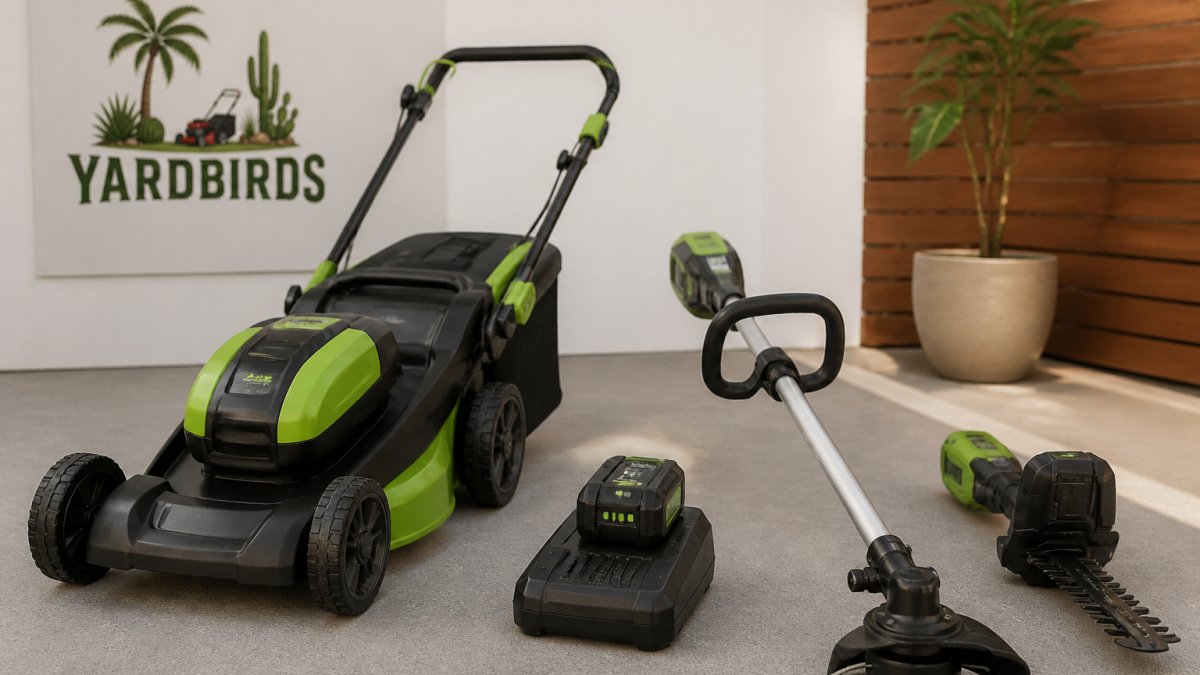
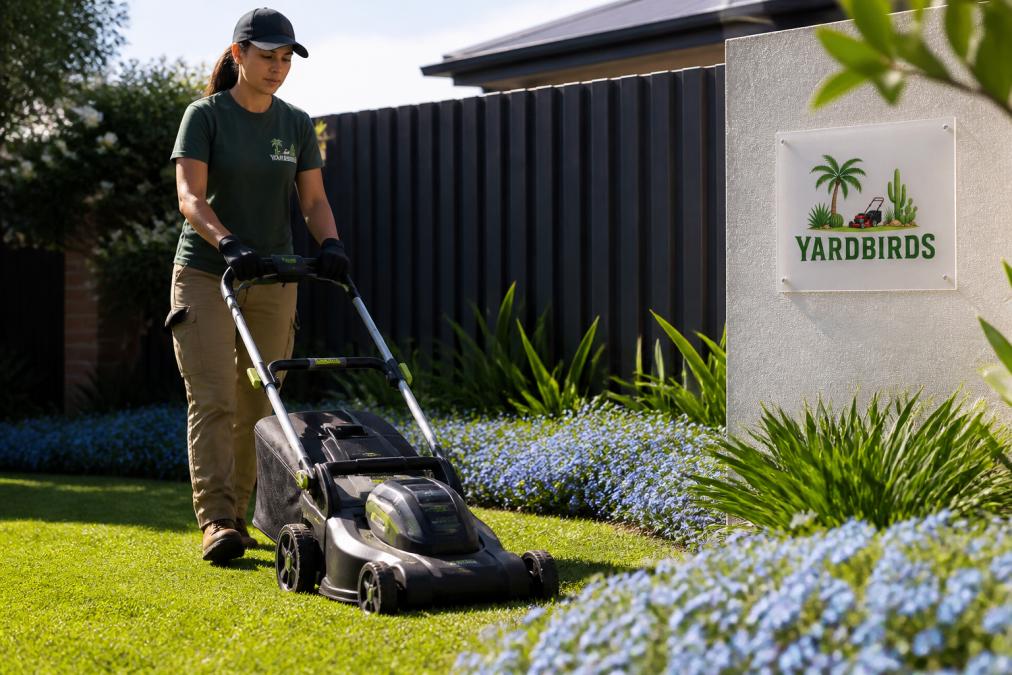
Professional electric lawn mowing services eliminate the guesswork from lawn maintenance. Unlike petrol equipment that requires seasonal servicing, spark plug changes, and fuel mixing, all-electric systems start instantly and demand minimal upkeep.
The real advantage isn't just the environmental benefit, it's reliability. Electric equipment produces zero emissions, operates quietly enough not to disturb neighbours early on Saturday mornings, and delivers consistent cutting power across varied terrain. For residential properties in inner-city areas, this matters significantly. A professional service using electric equipment handles thick, overgrown patches and Sydney's tough summer weeds without compromise.
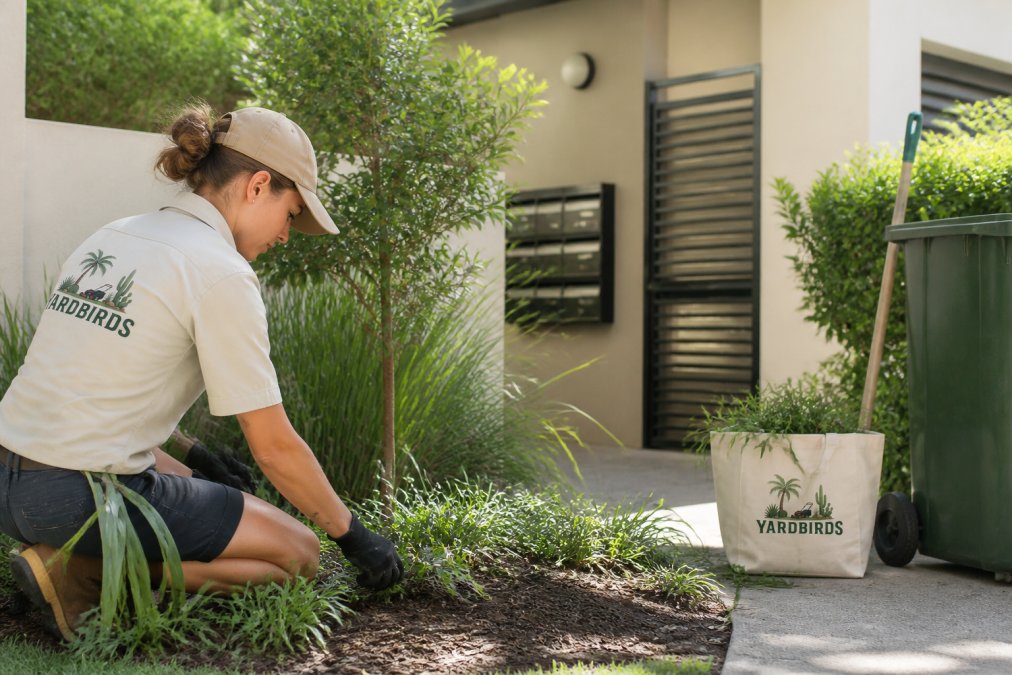
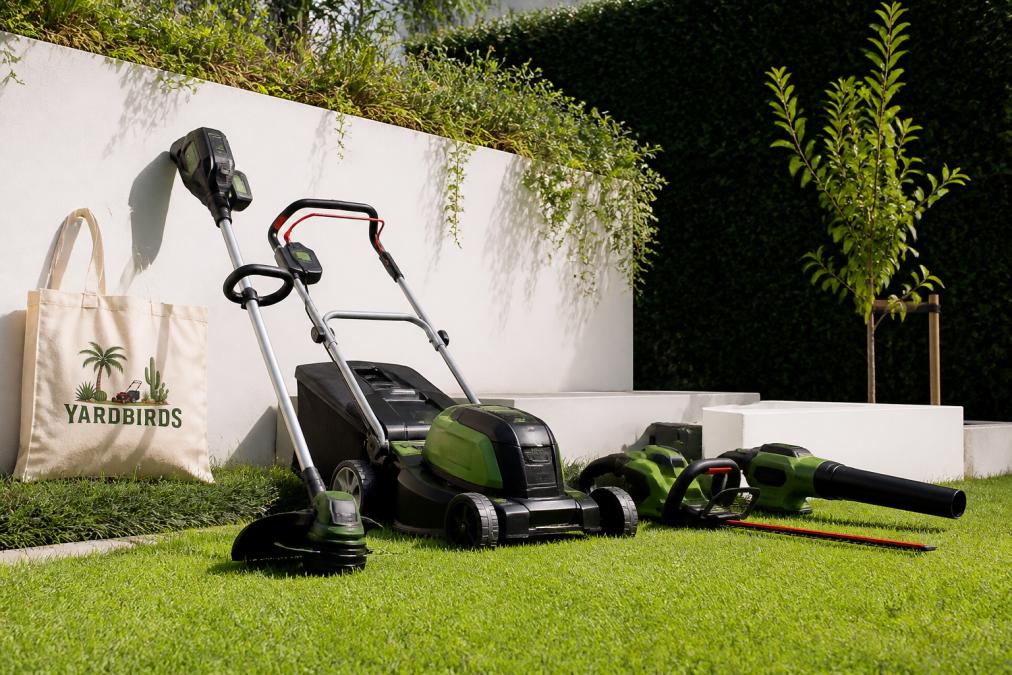
YardBirds Sydney operates exclusively with modern, all-electric equipment, which means every visit delivers climate-conscious service without sacrificing performance. The team handles expert lawn shaping tailored to local conditions, managing everything from regular maintenance schedules to complex strata situations where multiple owners have different expectations. Being fully insured provides genuine peace of mind, damage or accidents are covered, which eliminates a common concern for property managers and landlords.
What distinguishes professional electric services from DIY approaches is consistency and expertise. A trained team understands soil health, seasonal growth patterns, and how to shape lawns that thrive rather than merely survive. They adjust cutting heights, timing, and techniques based on current conditions, something that requires experience and local knowledge.
Ground cover and native grass species
Ground cover alternatives and native grass species represent a fundamental shift from traditional turf. Instead of maintaining a monoculture lawn that demands constant mowing, watering, and chemical inputs, these alternatives create diverse, resilient garden surfaces.
Blue Star Creeper (Laurentia fluviatilis) grows to approximately 10 centimetres and forms a dense, carpet-like mat that suppresses weed growth naturally. It produces small, star-shaped flowers during the growing season and handles foot traffic in residential settings. The establishment period takes time, typically several months for full coverage, but once established, it requires significantly less water and no mowing.
Clover (Trifolium repens) offers a different advantage: it naturally fixes atmospheric nitrogen, which means your soil becomes richer over time without added fertiliser (pubmed.ncbi.nlm.nih.gov). Drought-tolerant once established, clover stays green throughout the year in many climates and reduces mowing frequency dramatically. The trade-off is that some gardeners consider it invasive in ornamental beds, though this depends on your garden design.
Native grass species suited to Sydney's climate provide another path. These grasses evolved to thrive in local conditions, which means they demand less water, fertiliser, and intervention than introduced turf varieties. They also support local insects and birds, adding biodiversity value that purely ornamental lawns cannot match.
The establishment phase is the critical consideration. Ground covers and native grasses need proper soil preparation and consistent moisture during their first growing season. After that, maintenance drops dramatically compared to conventional lawns. This is where the cost-benefit analysis becomes compelling, higher upfront investment in soil preparation and planting, but substantially lower long-term labour and resource costs.
Sustainable lawn care practices for year-round maintenance
Sustainable lawn care practices shift the focus from "keeping grass alive" to "building soil health and biodiversity." This approach works across all seasons and actually reduces total maintenance effort.
Mulching is foundational. Rather than removing clippings, leaving them on the lawn returns nutrients to the soil and reduces the need for added fertiliser. This practice supports soil microorganisms and gradually improves soil structure. During Sydney's dry summers, mulch also helps retain soil moisture, reducing watering requirements.
Seasonal adjustments matter more than rigid schedules. Spring growth is vigorous, so more frequent cuts make sense. Summer demands careful timing to avoid heat stress on the grass. Autumn is when soil organisms thrive, making it ideal for aeration and soil amendment. Winter growth slows dramatically, so maintenance frequency can drop significantly, yet many homeowners continue monthly schedules out of habit rather than necessity.
Water management is critical in Sydney's climate. Deep, infrequent watering encourages deep root systems that tolerate drought better than shallow, frequent watering. Established native grasses and ground covers often need supplementary watering only during extended dry periods, not weekly throughout summer.
Integrated pest and weed management avoids broad-spectrum chemicals. Hand-pulling small weeds, encouraging beneficial insects, and maintaining dense, healthy turf naturally suppresses problem plants. This approach takes slightly more attention initially but eliminates the ongoing cost and environmental impact of chemical inputs.
Professional services that understand these principles deliver better outcomes than generic "mow every week" approaches. YardBirds Sydney's team applies this knowledge consistently, adjusting care based on seasonal conditions and specific property needs rather than following a one-size-fits-all schedule.
Low maintenance garden design approaches
Low maintenance garden design starts with accepting that not every square metre needs to be lawn. Hardscaping, paving, gravel, decking, and built structures, reduces the total area requiring active maintenance while creating functional outdoor space.
Strategic planting of native shrubs and ground covers means less mowing and lower water requirements. Grouping plants by water needs (xeriscaping principles) ensures you're not overwatering drought-tolerant species or underwatering thirsty ones. This approach also reduces fertiliser requirements and pest pressure.
Raised garden beds, container planting, and defined garden zones create visual interest while containing maintenance to specific areas. Rather than trying to maintain a perfect lawn across the entire property, you concentrate effort where it delivers the most value, whether that's a dining area, a play space for children, or a wildlife garden.
Mulching garden beds suppresses weeds and retains moisture, reducing watering frequency. Choosing plants suited to Sydney's climate eliminates the frustration of fighting unsuitable species that demand constant intervention.
The design phase is where professional insight matters. A landscape designer or experienced maintenance team understands which combinations of plants, surfaces, and structures work together in your specific microclimate. This prevents costly mistakes, planting shade-loving species in full sun, for example, or choosing plants that outgrow their space and require constant pruning.
DIY electric mowing and hardscaping options
For homeowners who prefer hands-on control, DIY electric mowing offers a practical middle ground between professional services and abandoning lawn care entirely. The Einhell Power X-Change Cordless Lawnmower represents this category well, a battery-powered option designed for small to medium residential gardens.
The advantages are straightforward: no petrol, no engine maintenance, quiet operation, and instant starting. The interchangeable battery system works across other Power X-Change tools, so your investment in batteries serves multiple purposes. Adjustable cutting heights accommodate different grass types and seasonal needs.
The limitations are equally clear.
Cost-benefit analysis: what you're actually paying for
Understanding the true cost of lawn alternatives requires looking beyond the initial purchase or installation price. Each option has different upfront costs, ongoing maintenance expenses, and hidden factors that affect total cost of ownership.
| Alternative | Best For | Ongoing Maintenance | Establishment Time |
|---|---|---|---|
| Professional electric services | Busy homeowners, strata managers | Minimal (scheduled visits) | Immediate |
| Ground cover species | Eco-conscious homeowners | Low (seasonal adjustments) | 3-6 months |
| DIY electric mowing | Small properties, hands-on owners | Moderate (regular effort) | Immediate |
| Hardscaping + plantings | Mixed-use properties | Low (seasonal care) | 1-2 months |
| Artificial turf | High-traffic areas | Minimal (occasional cleaning) | 1-2 weeks |
Frequently Asked Questions
What makes electric lawn mowing services better than traditional petrol mowers?
Electric lawn mowing services eliminate emissions, reduce noise pollution, and require no petrol or engine maintenance. Battery-powered equipment delivers consistent cutting power across residential properties while supporting sustainable lawn care practices. Many homeowners report quieter operation allows early morning or evening mowing without disturbing neighbours. Professional electric services also reduce your household's carbon footprint significantly compared to petrol alternatives.
Are EcoMow alternatives actually low maintenance, or is that just marketing?
Low maintenance garden design genuinely reduces upkeep compared to traditional turf. Ground covers like blue star creeper and clover require far less mowing, water, and chemical inputs. Native grass species establish well in local climate conditions and need less supplementary irrigation. However, the establishment period typically takes 6-12 weeks, and you'll still need seasonal care. The trade-off is lower ongoing effort, not zero maintenance.
How do I know a professional service will actually show up consistently, especially in winter?
Fully insured, established services maintain regular schedules year-round because they manage multiple properties. Ask for references, check their insurance details, and confirm they operate during winter months. Professional teams commit to reliability because their reputation depends on it, unlike casual contractors. Request a written service agreement that specifies frequency and contact protocols if you need to adjust scheduling for seasonal changes.
What's the actual cost difference between DIY electric equipment and hiring a professional service?
DIY cordless mowers cost several hundred dollars upfront but save labour costs for small properties. Professional services charge per visit based on property size and complexity, with no equipment investment required. The break-even point depends on your time value and property size, small gardens favour DIY, larger or complex gardens favour professional care. Contact professional services for a quote tailored to your specific property to compare accurately.