 comparison
Reliable NeatWeeds Alternatives for Inner West Lawn Care
Table of Contents
- Quick Comparison: NeatWeeds Alternatives for Inner West Lawn Care
- How to Vet a Local Lawn Care Provider: A Comparative Checklist
- Eco-Friendly Lawn Mowing Services in the Inner West
- Understanding Residential Lawn Care Costs
- Strata Garden Maintenance Services: What to Expect
- Liability, Insurance and Property Damage Protocols
- DIY vs Professional Lawn Care: A Cost-Benefit Analysis
- Frequently Asked Questions
Last Updated: October 1, 2026
Quick Comparison: NeatWeeds Alternatives for Inner West Lawn Care
Finding reliable alternatives to NeatWeeds for residential lawn care in the Inner West comes down to three things: insurance, equipment, and whether the provider actually shows up when they say they will. This guide from YardBirds Sydney breaks down what to compare, what to avoid, and how to vet any local operator before you hand over your gate code. (Source: Australian Competition and Consumer Commission (ACCC))
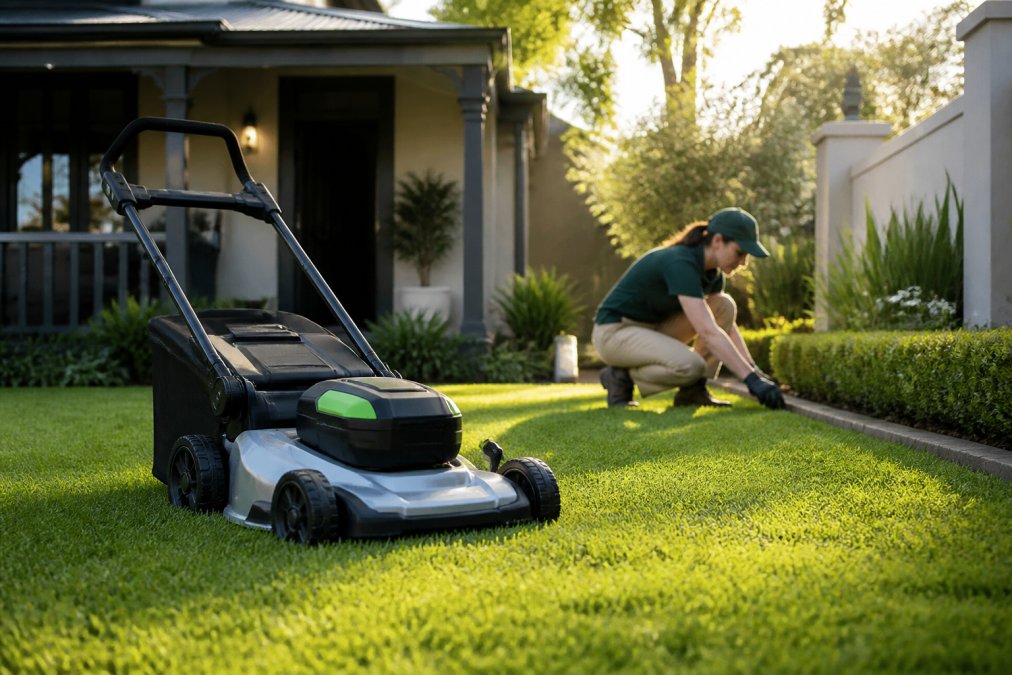
Lawn care is the ongoing maintenance of turf and garden areas, including mowing, edging, weed control, fertilising, and seasonal clean-ups. In the Inner West, that also means dealing with bindii, clover, catsear, cudweed, and plantain, which thrive in the area's humid summers and compacted clay soils.
Here's the thing most comparison articles get wrong: they rank providers by price alone. Price matters, but a cheap mow that damages your irrigation or leaves clippings blocking a stormwater drain costs more in the long run. The table below summarises the realistic options.
| Option | Type | Best For | Watch Out For |
|---|---|---|---|
| YardBirds Sydney | Eco-friendly local service | Sustainable residential and strata care | Service area limited to specific regions |
| Airtasker | Marketplace bidding | One-off or budget tasks | Quality varies between contractors |
| Jim's Mowing | National franchise | Consistent standards, broad services | Often priced above independent operators |
| Oneflare | Quote comparison platform | Comparing multiple quotes | Takes time to review each quote |
| Hire a Hubby | Property maintenance franchise | Lawn care plus general repairs | Less specialised in complex horticulture |
How to Vet a Local Lawn Care Provider: A Comparative Checklist
A reliable local service provider should be able to show you three things before you book: proof of insurance, a clear scope of work, and references from nearby properties. Ask for all three in writing.
Use this checklist before you commit to anyone:
- Certificate of currency for public liability insurance, dated within the last 12 months
- Written scope covering mowing height, edging, green waste removal, and hedge trimming
- Confirmation of whether visits are recurring or one-off
- Two or three local references, ideally within your suburb
- Clear policy on what happens if a visit is missed or rescheduled
- Evidence of police checks if the provider enters your property unattended
- A written quote rather than a verbal estimate
Eco-Friendly Lawn Mowing Services in the Inner West
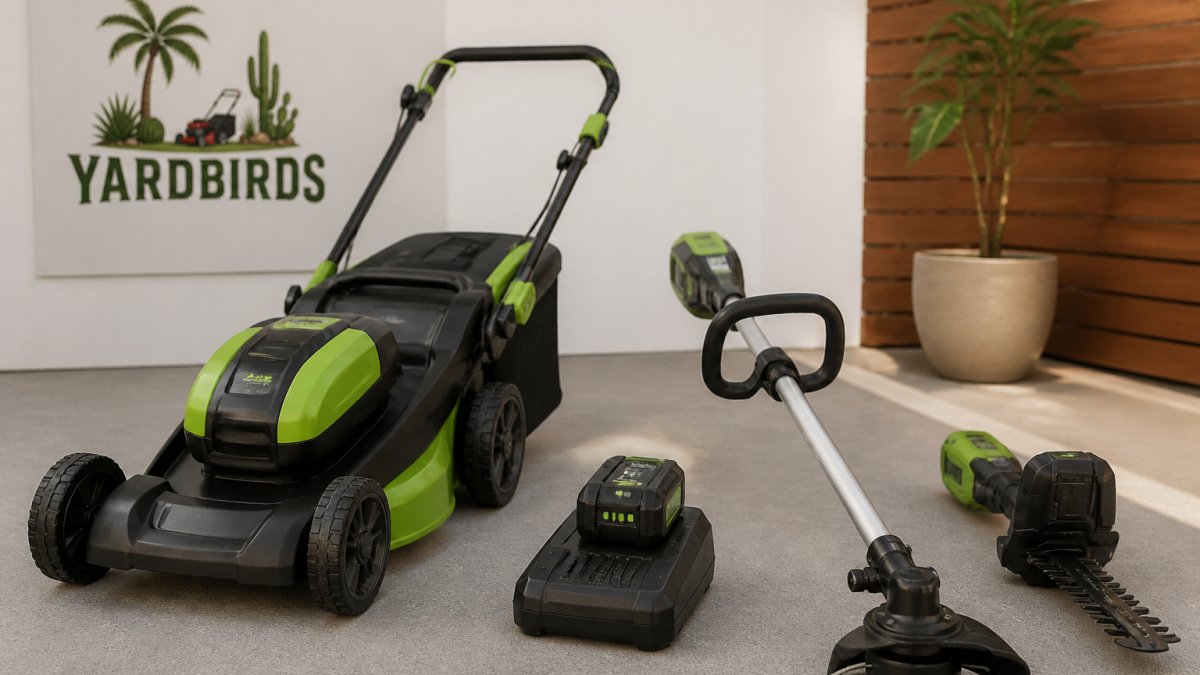
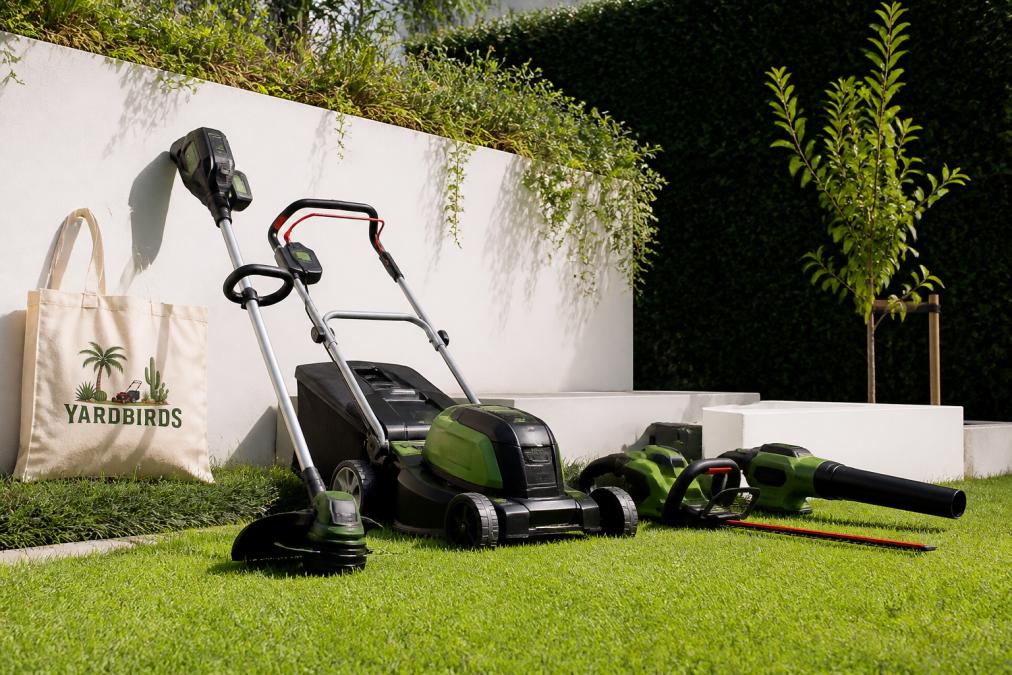
Eco-friendly lawn mowing services use battery-powered or electric equipment instead of petrol, cutting both emissions and noise. For dense inner-city streets where backyards sit metres from a neighbour's bedroom window, the noise difference alone is often the deciding factor.
Organic alternatives that work in Inner West conditions:
-
Selective hand removal for bindii, catsear, and cudweed before they set seed. Labour-intensive but effective on small to medium lawns.
-
Improved soil health through aeration and top-dressing with compost. Compacted clay soils are the root cause of many weed problems; fixing the soil reduces weed pressure over time.
-
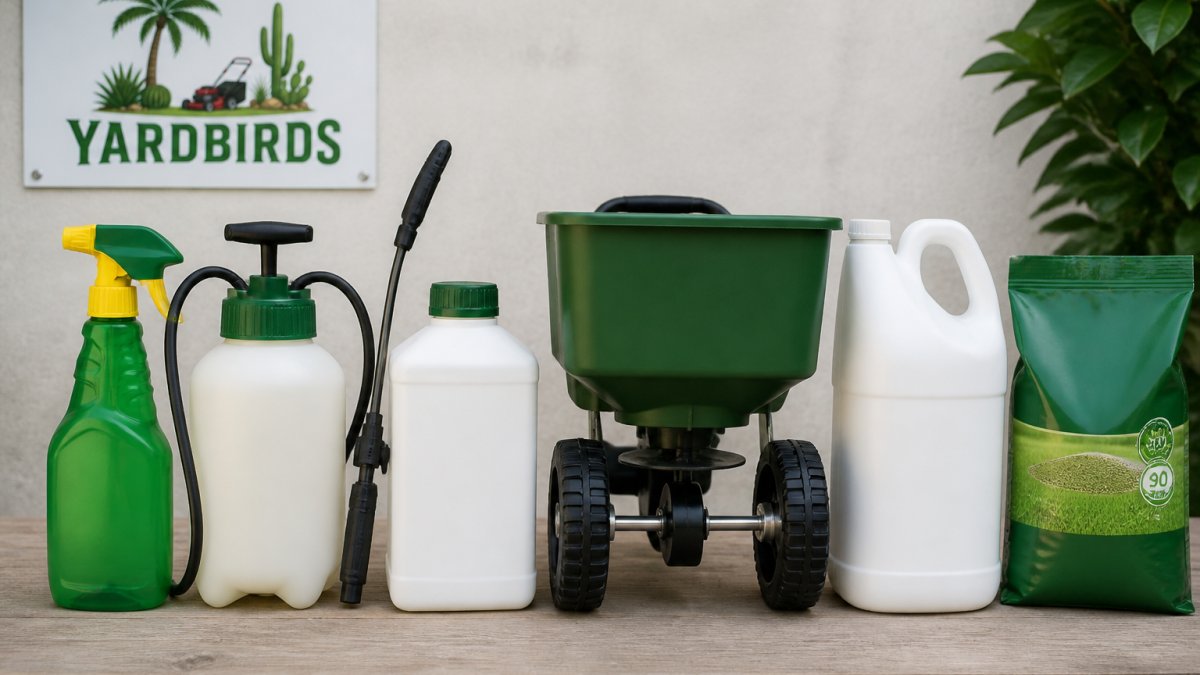
Targeted spot treatment rather than blanket spraying. A provider using a spot sprayer with an organic-certified herbicide can treat individual weeds without affecting the whole lawn.
-
Corn gluten meal as a pre-emergent for some broadleaf weeds. It also adds nitrogen, though results vary with soil temperature and timing.
-
Regular mowing at the right height to shade out weed seedlings. Keeping buffalo or couch at 4-5 cm during growing season is a simple, chemical-free suppression method.
-
Do you use battery or electric equipment for all tasks, or just mowing?
-
What is your default weed control method, blanket spray, spot spray, or hand removal?
-
Do you offer organic fertiliser or compost top-dressing?
-
How do you dispose of green waste, council green bin, commercial composting, or landfill?
Australian Government guidance on household garden waste and sustainability
Understanding Residential Lawn Care Costs
Residential lawn care costs in the Inner West depend on block size, access, frequency, and how much garden maintenance sits alongside the mowing. There is no single flat rate, and any provider quoting one without seeing your property is guessing.
| Service Type | Typical Frequency | Indicative Cost Per Visit |
|---|---|---|
| Standard mow, edge, blow | Fortnightly | $60-$100 |
| Standard mow, edge, blow | Weekly (summer) | $50-$80 |
| Mow plus hedge trimming | Fortnightly | $90-$150 |
| Full garden maintenance (mow, edges, beds, hedges, green waste) | Fortnightly | $120-$200 |
| One-off overgrown clearance | As needed | $150-$350+ |
| Strata common property (per building) | Weekly or fortnightly | $200-$600+ |
- By visit frequency: fortnightly costs less per visit than weekly, but you may need extra work in summer
- By time on site: common for overgrown or complex properties
- By property size: simple, but ignores access issues like steep blocks or narrow side gates
- Bundled packages: mowing plus hedge trimming plus green waste removal at a set rate
Strata Garden Maintenance Services: What to Expect
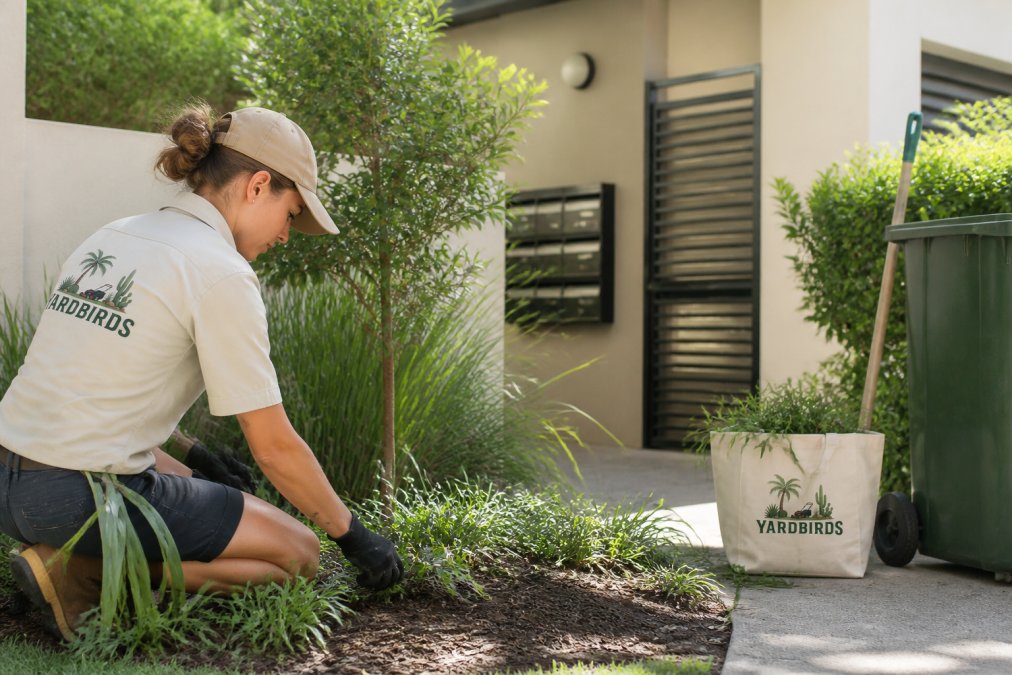
Strata garden maintenance services cover the shared grounds of residential buildings: common lawns, garden beds, hedges, entry plantings, and sometimes rooftop or courtyard areas. The work itself is similar to residential care, but the coordination is not.
What to look for in a strata contract:
- A written maintenance schedule tied to seasons, not just "as needed"
- Photo records of each visit for the committee
- A single point of contact for the strata manager
- Public liability cover sized for common property
- Willingness to attend an AGM or provide a written report
Liability, Insurance and Property Damage Protocols
- Document immediately. Photograph the damage before anything is moved.
- Report the same day. A written message creates a timestamp.
- Get the claim process in writing. Who lodges it, with which insurer, and in what timeframe.
- Confirm the excess and who pays it. This should be settled before work resumes.
Safe Work Australia guidance on workplace health and safety obligations
DIY vs Professional Lawn Care: A Cost-Benefit Analysis
DIY lawn care saves money on paper and costs you weekends in practice. The real question is whether the hours you spend mowing, edging, and carting green waste are worth more to you than the fee you'd pay someone else.
DIY makes sense when:
- Your block is small and flat with easy access
- You genuinely enjoy the work
- You already own the equipment and it's in good condition
- You're happy to mow fortnightly without fail through summer
Professional care makes sense when:
- Your block is steep, narrow, or has complex garden beds
- You travel for work or have unpredictable hours
- You want consistent results without thinking about it
- You need hedge trimming, aeration, or turf management beyond basic mowing
ACCC guidance on choosing and dealing with service providers
Frequently Asked Questions
What are the benefits of using electric lawn mowing equipment?
Electric mowers produce zero exhaust emissions at the point of use and run much quieter than petrol models, which matters in dense Inner West neighbourhoods where early-morning noise travels. They also avoid petrol storage and spill risks. Modern all-electric equipment handles most residential lawn conditions, though very thick or overgrown patches may take longer. For regular maintenance on typical Sydney lawns, electric mowers deliver comparable cut quality with less noise and no fumes.
How do I choose a reliable lawn care service for my home?
Start by checking proof of insurance, asking for a written scope of work, and confirming whether the provider offers recurring visits or one-off jobs. Look for verified customer reviews and ask whether the same team will attend each visit. A reliable provider will offer a free quote, explain what is included, and put the schedule in writing. Avoid anyone who cannot show a certificate of currency for public liability insurance or who pressures you to pay a large deposit upfront.
Are there eco-friendly lawn maintenance options available locally?
Yes. Several Inner West providers now use all-electric mowers, blowers and trimmers. Some also offer organic fertilisation, mulching and integrated weed management that reduces herbicide use. When comparing eco-friendly lawn mowing services, ask what equipment they use, how they dispose of green waste, and whether they can manage broadleaf weeds like bindii and clover without blanket spraying. The best options combine low-emission equipment with turf management practices suited to local soil and climate.
What should I look for in a professional garden maintenance provider?
Look for a qualified team with public liability insurance, a clear scope of work, and a track record of service reliability. Ask about hedge trimming, lawn aeration, fertilization and seasonal maintenance, not just mowing. Confirm whether they offer no lock-in contracts and how they handle scheduling changes. For strata properties, ask specifically about experience with body corporate requirements and multiple stakeholder preferences. A provider who answers these questions directly is usually the safer choice.
Is it better to hire a local business for lawn care?
A local service provider usually knows the area's soil, weed pressure and seasonal patterns, which means better turf management decisions. Local providers can also respond faster if something needs attention between visits. That said, national franchises offer consistent standards and broad insurance coverage. The right choice depends on whether you value local knowledge and flexibility or standardised processes. Either way, confirm insurance, ask for reviews, and get a free quote before committing.
Switching lawn care providers feels risky when your current gardener knows the property, but staying with someone unreliable costs you more over a season than one awkward transition. YardBirds Sydney handles residential, strata, and commercial properties with all-electric equipment, flexible scheduling, and full insurance cover, so you get consistent results without the guesswork. Get a free quote and see what a properly run maintenance schedule looks like for your yard.