 blog
How Can I Improve Lawn Health in My Yard?
Last Updated: October 25, 2026
Quick Summary
To improve lawn health in the Inner West, start with a soil test to guide fertilisation, apply two to three times per year timed to grass growth cycles, control weeds early before they establish, and maintain proper mowing height of five to seven centimetres with sharp blades.
- Apply fertiliser two to three times per year, timed to match your grass type's growth cycles
- Mow at five to seven centimetres and never remove more than one-third of the blade in one cut
- Water deeply once per week, aiming for two and a half centimetres total including rainfall
- Hand-pull isolated weeds or spot-spray with eco-friendly herbicide to prevent them competing with grass
- Aerate compacted soil in spring or autumn to let water, air, and nutrients reach grass roots
Table of Contents
- 1. Apply the Right Fertilisation to Improve Lawn Health
- 2. Master Eco-Friendly Weed Control
- 3. Fix Bare Patches and Patchy Lawn Issues
- 4. Aerate and Treat Compacted Soil
- 5. Get Your Lawn Mowing Height Right
- 6. Water Your Lawn Correctly with These Tips
- 7. Manage Pests and Lawn Disease
- Getting Professional Help to Improve Your Lawn
- Frequently Asked Questions
1. Apply the Right Fertilisation to Improve Lawn Health
A healthy lawn starts with good nutrition, but in the Inner West, fertilisation needs to account for our specific soil and climate. Many local soils are sandy or clay-heavy, which affects how nutrients are held and delivered to your grass. A soil test is the best starting point, it tells you exactly what's missing and prevents over-application. Most lawns benefit from two to three applications per year, timed to match grass growth cycles.
Organic fertilisers release nutrients slowly, feeding your lawn over weeks rather than days. This steady approach builds soil health and reduces the risk of burning grass. Synthetic options work faster but require more careful timing and application rates. In the Inner West, where runoff can reach waterways, slow-release products are a safer choice. Always follow label directions and water lightly after application to help nutrients move into the soil without washing away.
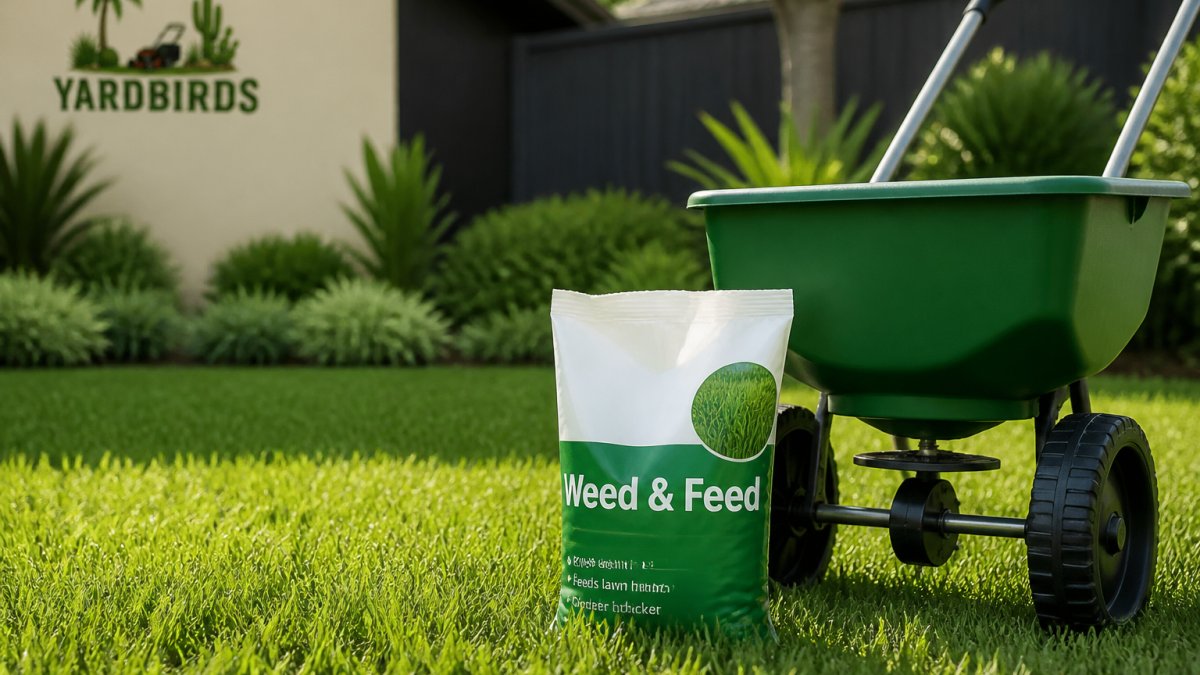
Watch out: Over-fertilising causes soft, lush growth that attracts pests and disease. It also wastes money and harms waterways when excess nutrients run off. Consider timing your applications around mowing schedules, apply a day or two after mowing, when the grass can absorb nutrients without stress. If you're unsure, a professional can help you choose the right product for your grass type and soil. Explore best lawn weed and feed options to find solutions suited to your needs.
2. Master Eco-Friendly Weed Control
Weeds compete with your grass for water, nutrients, and light. In the Inner West, common lawn weeds include bindii, dandelion, plantain, and nutgrass, each requiring slightly different tactics. Left unchecked, they spread and choke out healthy turf. The best approach tackles weeds early before they establish deep roots.
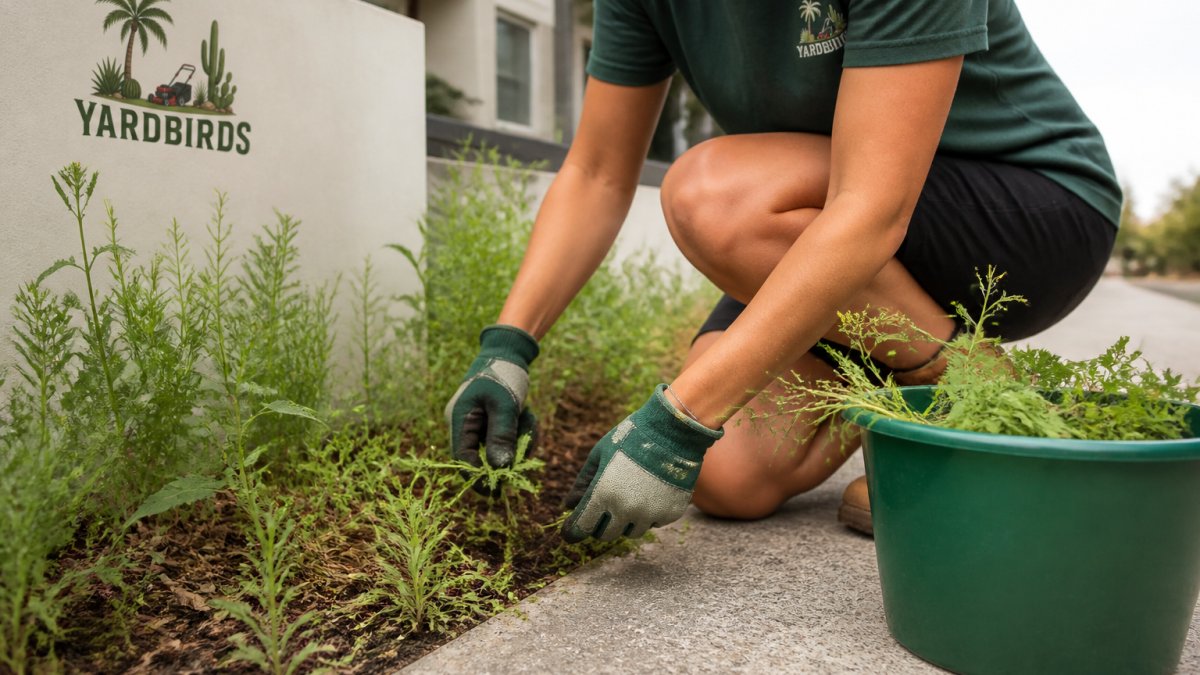
Hand-pulling works for isolated weeds. Grab them low and pull steadily to get the entire root system. This is tedious but effective for small infestations. For larger areas, spot-spraying targeted weeds with an eco-friendly herbicide is faster and reduces chemical use. Always read the label and follow directions exactly, especially near waterways, as runoff can affect local creeks.
Thick, healthy grass is your best weed defence. Dense turf leaves no bare soil where weed seeds can germinate. This is why fertilisation, proper mowing, and good watering work together, they create conditions where grass outcompetes weeds naturally. Mulching around garden beds and under trees prevents weed seeds from landing on bare soil. A two to three centimetre layer of quality mulch blocks light and keeps weeds from establishing. Replace mulch annually as it breaks down.
Prevention beats treatment every time. Keep your lawn dense, mow regularly, and remove weeds as soon as you spot them. This stops small problems becoming expensive ones. If you're dealing with a persistent weed problem, our 10% off Spring Special on Weed and Feed can help you get on top of it.
3. Fix Bare Patches and Patchy Lawn Issues
Bare patches happen. Heavy foot traffic, pet damage, disease, or poor drainage can kill sections of grass. The good news is they're fixable.
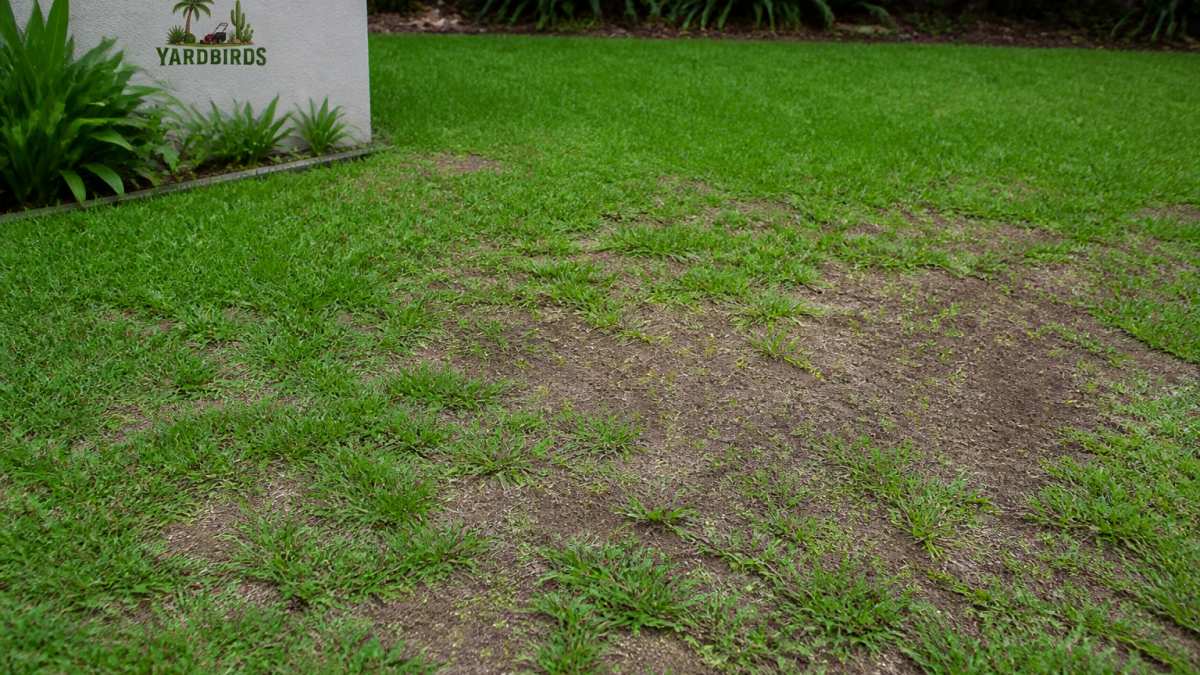
Start by identifying why the patch appeared. If it's in a high-traffic zone, the soil is probably compacted. If it's in shade, grass may simply struggle there. If it's near a downpipe, waterlogging could be the culprit. Fix the cause or the patch will return.
For small bare spots, rough up the soil surface with a rake. Scatter quality grass seed and press it gently into the soil. Keep the area moist for two to three weeks while seed germinates. Avoid walking on it during this period.
Larger patches need more preparation. Remove dead grass and debris. Loosen the top five centimetres of soil. Mix in compost or quality topsoil. Spread seed evenly and water gently but regularly. Patience is essential, new grass takes weeks to establish.
In shaded areas, choose shade-tolerant grass varieties rather than fighting the conditions. Thin, sparse grass in shade is often a sign that the location simply doesn't suit standard turf. Professional advice helps here.
4. Aerate and Treat Compacted Soil
Compacted soil stops water and air from reaching grass roots. Roots can't penetrate hard ground, so they stay shallow and weak. This is why lawns in high-traffic areas often look thin and stressed.
Aeration creates small holes in the soil, breaking up compaction. This lets water, air, and nutrients reach deeper. It also gives roots room to spread and strengthen. Spring and autumn are the best times to aerate, when grass is actively growing.
You can aerate manually with a hand tool for small areas, or hire professional equipment for larger lawns. The machine pulls out small soil cores, leaving a pattern of holes across the surface. Don't worry, the lawn looks messy for a week, then recovers quickly.
After aeration, overseed thin patches and apply a light fertiliser. The aeration process has created ideal conditions for seed to make contact with soil. New grass establishes faster in aerated ground.
For ongoing compaction prevention, vary foot traffic patterns. If the same route gets walked every day, the soil hardens along that line. Stepping in slightly different places spreads wear and reduces compaction.
5. Get Your Lawn Mowing Height Right
How you mow affects how your lawn looks and performs. Cutting too short weakens grass and invites weeds. Cutting too high wastes time and can look untidy.
The ideal mowing height depends on your grass type, but most lawns do best at five to seven centimetres. This height allows grass to photosynthesize efficiently and develop strong roots. Shorter grass is more prone to stress and weed invasion.
Mow regularly but never remove more than one-third of the blade in a single cut. Removing too much leaf area shocks the plant and slows recovery. Weekly mowing during the growing season keeps grass at the right height without stress.
Keep your mower blades sharp. Dull blades tear grass instead of cutting cleanly. Torn edges brown and become vulnerable to disease. Sharp blades create clean cuts that heal quickly.
Mulching mowers return clippings to the lawn. These clippings add organic matter and nutrients as they break down. This reduces the need for extra fertiliser and improves soil structure over time.
The right mowing approach depends on your grass type and cutting technique.
| Factor | Recommendation | Why It Matters |
|---|---|---|
| Mowing height | 5 to 7 centimetres | Allows efficient photosynthesis and strong roots |
| Blade removal per cut | No more than one-third | Prevents plant shock and slows recovery |
| Mowing frequency | Weekly during growing season | Keeps grass at right height without stress |
| Blade condition | Keep sharp | Clean cuts heal quickly, dull blades brown |
| Clipping management | Use mulching mower | Returns nutrients, reduces fertiliser need |
6. Water Your Lawn Correctly with These Tips
Watering seems simple but most people get it wrong. Too little and grass goes dormant or dies. Too much and you encourage disease, waste water, and waste money.
Most lawns need about two and a half centimetres of water per week during the growing season. This includes rainfall, so check how much rain you've had before watering. A simple rain gauge tells you exactly what nature provided.
Water deeply but less frequently. One deep watering per week is better than several light sprinkles. Deep watering encourages roots to grow down, making grass more resilient. Light, frequent watering keeps roots shallow and weak.
Early morning is the best time to water. Grass dries quickly, reducing disease risk. Watering in the evening leaves grass wet overnight, which invites fungal problems. Midday watering wastes water to evaporation.
Adjust watering based on weather and season. During cool months, grass needs less water. During hot spells, increase frequency slightly. After heavy rain, skip watering. Let the soil dry a bit between waterings, this encourages deeper root growth.
7. Manage Pests and Lawn Disease
Pests and diseases thrive in stressed lawns. A thick, healthy lawn resists problems naturally. But even well-maintained turf can face challenges.
Common lawn pests include black beetle and curl grub larvae. These feed on grass roots, leaving brown patches that spread. Early detection is key. If you notice patches of dead grass, dig down a few centimetres and look for white larvae.
For minor infestations, encourage natural predators. Birds eat many lawn insects. Avoid broad-spectrum pesticides that kill beneficial insects too. Targeted treatments work better and protect the ecosystem.
Lawn diseases often appear as circular patches or discoloured areas. Poor drainage, excess moisture, and dense shade increase disease risk. Improve air flow by pruning overhanging branches. Check drainage after heavy rain. Ensure mowing height is adequate so air circulates through the canopy.
Fungal diseases are common in humid conditions. Avoid overhead watering, which leaves foliage wet. Water at soil level instead. Remove thatch buildup, which traps moisture. Aeration improves drainage and reduces disease pressure.
Getting Professional Help to Improve Your Lawn
Sometimes the best path forward is professional support. A lawn care expert can diagnose problems you might miss and recommend targeted solutions. They understand how local conditions affect turf health and know which treatments work best in this region.
At Yard Birds Sydney, we help homeowners, strata managers, and property owners achieve healthy, attractive lawns using eco-friendly methods. Our all-electric equipment delivers professional results without the emissions or noise of traditional gear. We tailor our approach to your specific situation, whether you need regular maintenance, problem-solving, or one-off treatments.
For those ready to invest in their lawn's future, professional care removes the guesswork. You get consistent, expert attention on a schedule that suits you. Learn more about what's involved with how to maintain your Inner West garden seasonally, or find detailed guidance on mowing height and timing to implement yourself.
When you're ready to discuss your lawn's needs, get a free quote for lawn mowing and garden maintenance or contact us to discuss your specific situation.
To improve lawn health takes time and consistency, but the results are worth it. A thick, green lawn boosts your property's appeal and gives you a better outdoor space to enjoy. Start with one or two of these strategies, master them, then add more. The combination of good fertilisation, weed control, proper mowing, and smart watering creates conditions where grass thrives naturally.
Frequently Asked Questions
How often should I water my lawn in warm weather?
In warm weather, most lawns need watering 2-3 times per week, depending on rainfall and soil type. Water deeply enough for moisture to reach 100-150 mm into the soil, rather than frequent shallow watering. Early morning watering reduces evaporation and fungal disease risk. Monitor your lawn for signs of stress: if grass looks grey-blue or footprints don't spring back, it needs water soon.
What is the best mowing height for a healthy lawn?
Mow at 25-40 mm depending on your grass type and season. Taller grass (30-40 mm) shades soil, reduces weeds, and improves drought tolerance. Shorter cuts (20-25 mm) suit winter or slower-growing periods. Never remove more than one-third of the blade length in a single cut, as scalping stresses the plant and invites weeds and disease.
How can I fix bare patches in my lawn?
First, identify the cause: compaction, shade, disease, or wear. For small patches, scarify lightly, add quality topsoil, overseed with grass suited to your site, and water regularly until established. For larger areas or persistent bare spots, soil testing or professional assessment may reveal drainage, pH, or pest issues. Avoid walking on newly seeded areas for 4-6 weeks.
When should I fertilise my lawn?
Fertilise during active growth: spring (September-October) and autumn (March-April) are ideal. A spring feed supports new growth; autumn feeding strengthens roots for winter. Summer fertilising can encourage soft growth vulnerable to heat stress and disease. Use a balanced fertiliser or one matched to your grass type and soil test results. Avoid over-fertilising, which increases mowing frequency and pest pressure.