 how-to
How to Maintain Your Inner West Garden: A Seasonal Guide
Table of Contents
- Understanding Your Inner West Garden Environment
- Essential Garden Maintenance Checklist
- Creating an Effective Garden Watering Schedule
- Eco-Friendly Weed Control Methods
- Seasonal Garden Maintenance Tasks
- Soil Health and Fertilising
- When to Call in Professional Help
- Frequently Asked Questions
Last Updated: October 12, 2026
Understanding Your Inner West Garden Environment
To maintain inner west garden success, you must understand the unique climate and soil conditions of this region.
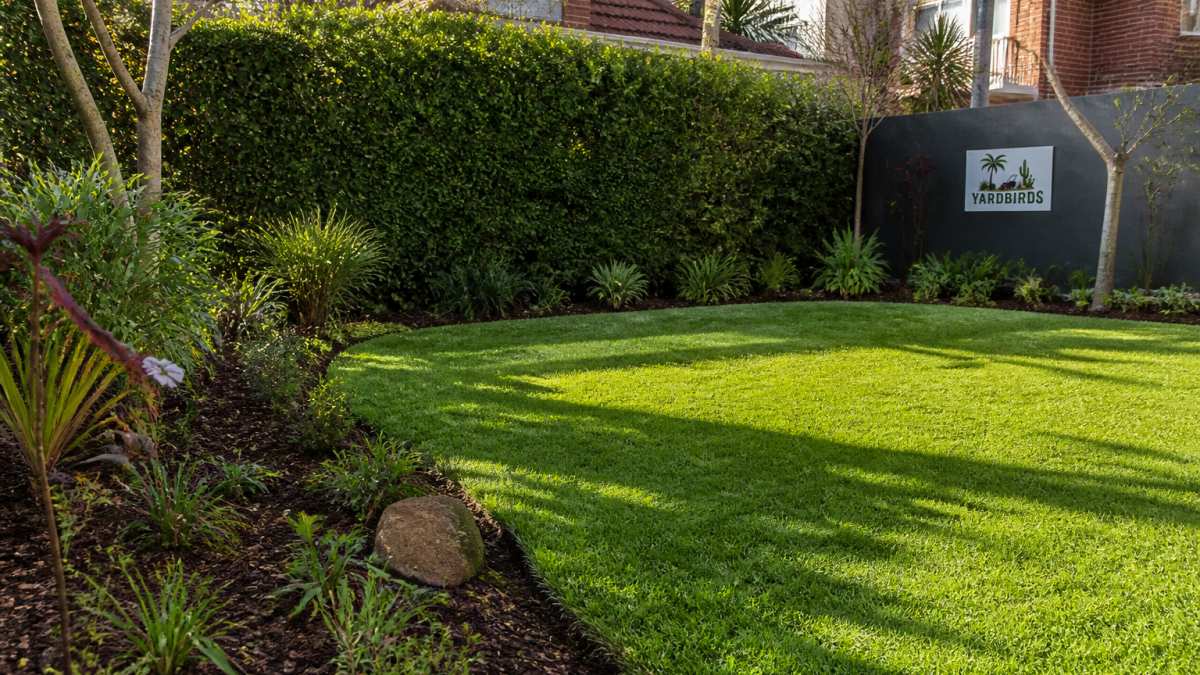
The soil here tends toward clay, which holds moisture but drains poorly. Summer temperatures regularly exceed 30°C, putting stress on lawns and garden beds.
Plants that thrive here include native species like grevillea, banksia, and bottlebrush, along with adapted exotics such as lavender and rosemary.
The key to maintaining your Inner West garden starts with accepting the local conditions, not fighting them. Work with the climate, not against it.
Essential Garden Maintenance Checklist
To maintain inner west garden health, a good maintenance routine covers five core areas: lawn care, weeding, pruning, watering, and soil health. These tasks overlap and build on each other. Skipping one area creates problems in another.
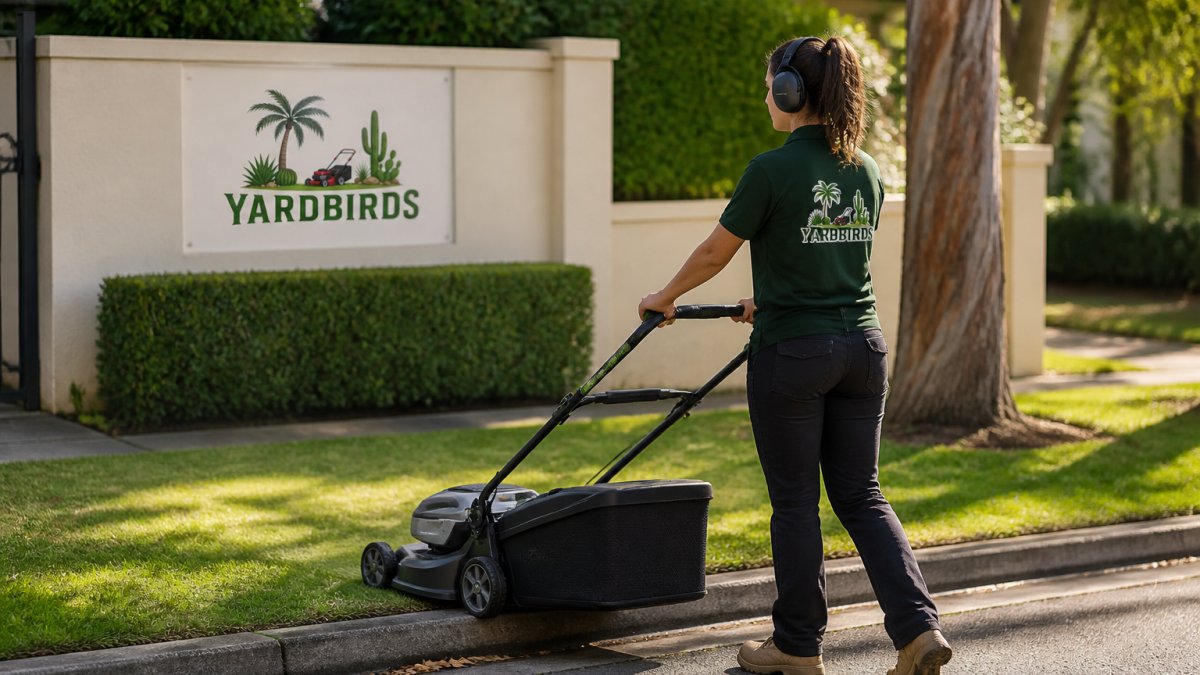
Regular lawn mowing and turf care
Mow your lawn every 1-2 weeks during the growing season (spring and autumn). In summer, raise the mower blade slightly to reduce heat stress on the turf. In winter, mow less frequently as growth slows.
The right mowing height protects your lawn:
- Keep grass at 30-40 mm during growing season
- Raise to 40-50 mm in summer heat
- Leave clippings on the lawn (mulching) to return nutrients
Turf care extends beyond mowing. Aerate compacted soil in autumn to improve drainage and root growth. Overseed bare patches in spring and autumn when conditions favour germination.
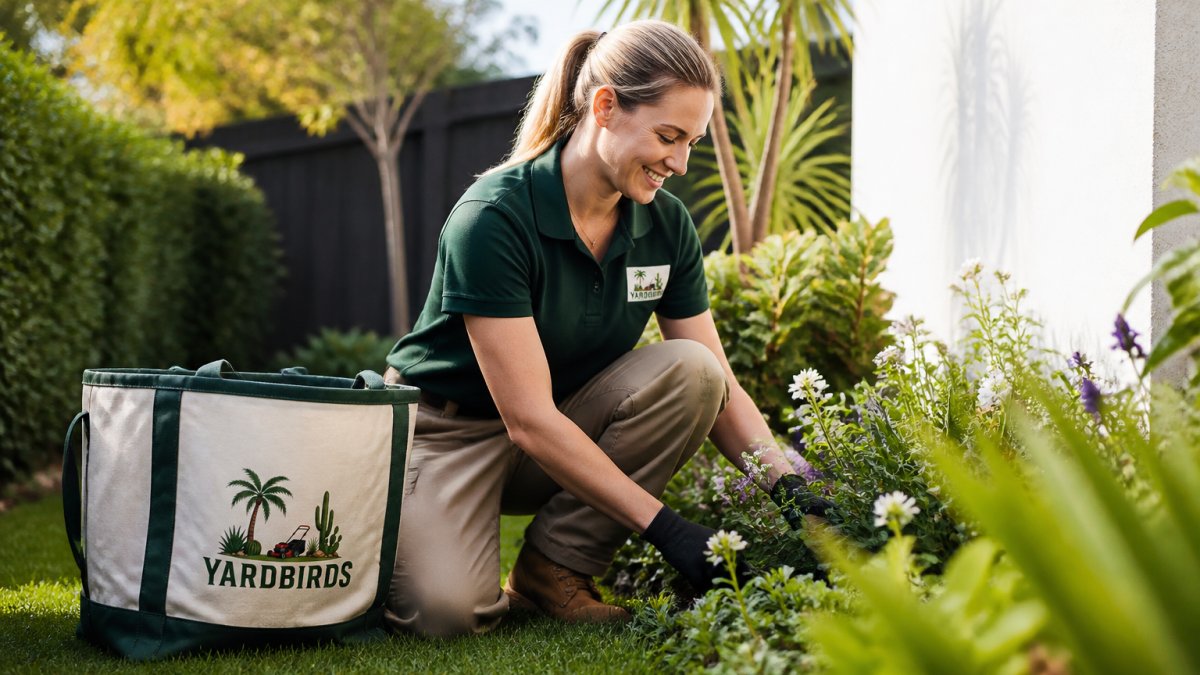
Weeding and garden bed management
Weeds compete with your plants for water, nutrients, and light. Regular weeding prevents them from seeding and spreading. Pull weeds after rain when soil is soft, removing the entire root system.
Garden beds need attention year-round:
- Remove weeds as soon as they appear
- Add 50-75 mm of mulch to suppress weeds and retain moisture
- Refresh mulch annually in spring
- Edge garden beds to prevent grass creeping in
Hand-pulling works for small infestations. For larger areas, consider mulching heavily or using eco-friendly methods (covered below).
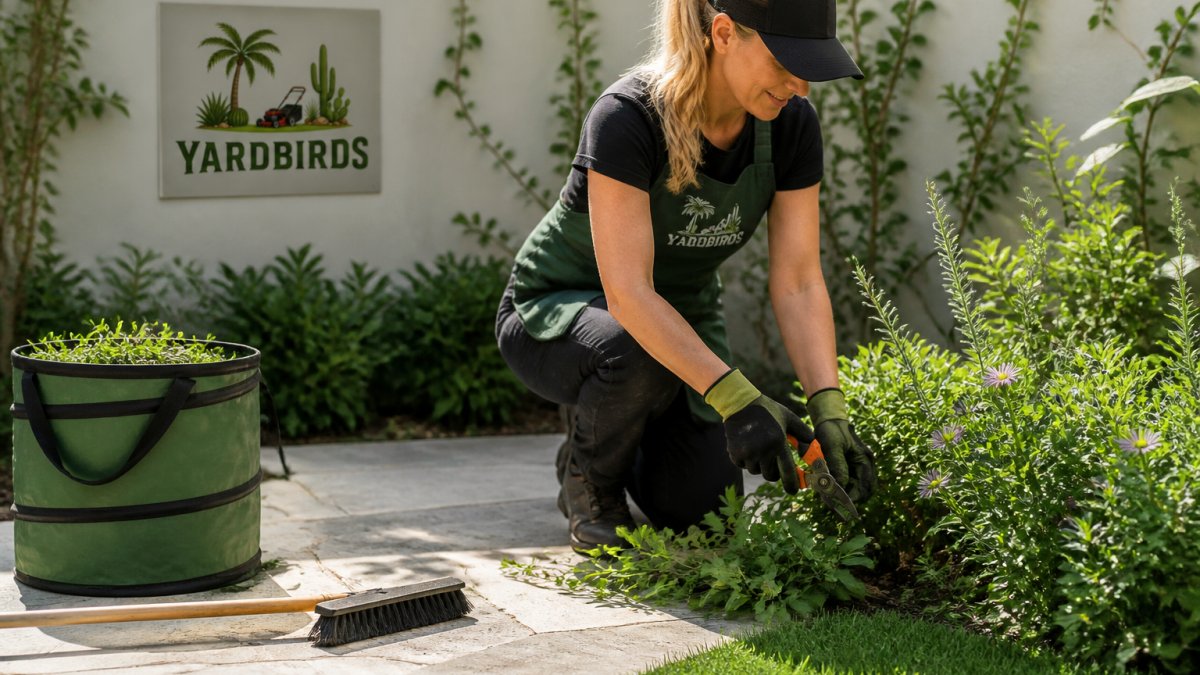
Pruning, hedging and plant health
Prune shrubs and small trees in late winter or early spring before new growth starts. Remove dead, diseased, or crossing branches first. Then shape the plant to encourage a healthy structure.
Hedging requires regular trimming:
- Trim hedges 2-3 times per year during growing season
- Cut to a slightly narrower top than base (allows light to reach lower branches)
- Use sharp, clean tools to prevent disease spread
Watch for signs of plant stress: yellowing leaves, sparse growth, pest damage. Identify the cause, poor drainage, nutrient deficiency, pests, disease, and address it early. A struggling plant is harder to restore than one caught early.
Creating an Effective Garden Watering Schedule
Water deeply but less frequently to encourage deep root growth. Shallow, frequent watering weakens roots and increases disease risk. Most gardens need 25-50 mm of water per week during the growing season, depending on rainfall and temperature. In the Inner West, clay-heavy soils hold moisture unevenly, so a simple test helps: push a screwdriver into the soil.
Water early morning or late evening to minimise evaporation. Avoid watering in the heat of the day when much of the water is lost before reaching roots. Water the soil, not the leaves, to reduce fungal problems.
Water-wise practices during dry periods
During hot spells and water restrictions, focus water on new plantings and productive areas like vegetable gardens. Under current rules, you can water lawns and gardens with a hose fitted with a trigger nozzle, or with a smart-approved drip system, before 10 am or after 4 pm on any day (Water Wise Guidelines).
Practical water-saving steps:
- Mulch heavily to retain soil moisture
- Group plants by water needs
- Install soaker hoses or drip irrigation for targeted watering
- Collect rainwater in tanks for dry periods
- Choose drought-tolerant plants for new plantings
Drip irrigation delivers water directly to roots with minimal waste. It is more efficient than sprinklers and reduces disease by keeping foliage dry. Even a simple soaker hose laid along garden beds saves water and effort.
Heatwave and drought survival tactics
When the forecast tops 35°C for several days, your garden needs a different approach. Deep-water established trees and shrubs the day before the heat arrives. Move pots and hanging baskets into shade. Cover sensitive seedlings with shade cloth or an old sheet. Do not fertilise during a heatwave; it pushes soft growth that burns. After the heat passes, resist the urge to flood the garden. Water slowly and deeply to rehydrate the soil without causing runoff.
A simple soil moisture meter takes the guesswork out of watering. Insert it 100 mm deep and water only when it reads dry.
Water restrictions can change. Always check the Sydney Water website for the current rules before watering your lawn or garden.
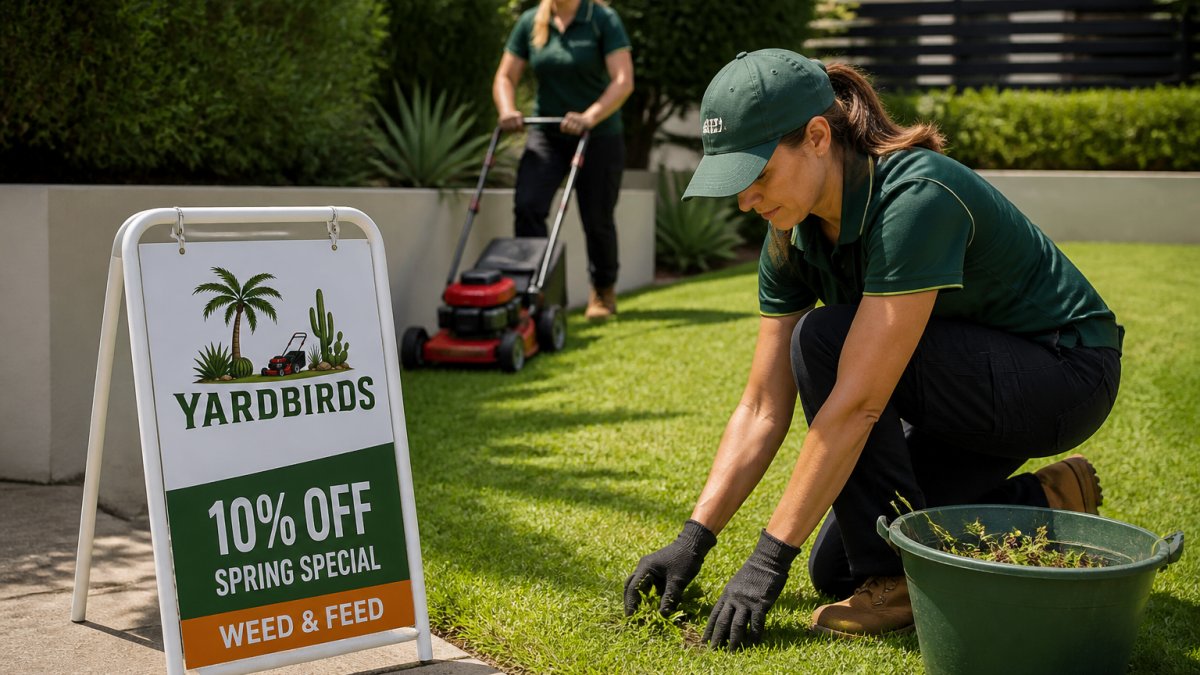
Eco-Friendly Weed Control Methods
Chemical herbicides are effective but harmful to soil life, waterways, and beneficial insects.
Hand-pulling remains the most targeted method. It removes the entire weed, roots and all, preventing regrowth.
Mulching is preventative.
Boiling water kills weeds instantly on paths and driveways. Pour directly on the weed, no chemicals, no residue.
Vinegar-based sprays (20% acetic acid) burn down foliage but don't kill roots. Effective on young weeds in cracks and crevices.
Flame weeding uses a handheld torch to burn weeds. Quick and chemical-free, but requires care around flammable materials.
Seasonal Garden Maintenance Tasks
Each season brings different priorities. Working with the seasons, not against them, makes maintenance easier and more effective.
Spring preparation and planting
Spring is the busiest season. Temperatures warm, growth accelerates, and garden beds need preparation.
Spring tasks:
- Clear winter debris and fallen leaves
- Prune spring-flowering shrubs after they finish blooming
- Plant warm-season vegetables and annuals after frost risk passes
- Fertilise established plants as growth begins
- Refresh mulch in garden beds
- Overseed bare patches in lawn
This is when you set the tone for the year. A well-prepared spring garden needs less work later.
Summer care and heat management
Summer brings heat stress. Focus on keeping plants hydrated and protecting them from scorching.
Summer priorities:
- Water deeply and regularly, especially new plantings
- Mulch heavily to retain moisture and cool soil
- Prune dead or diseased growth promptly
- Deadhead flowers to encourage more blooms
- Watch for pests and diseases (heat stress weakens plants)
- Raise mower blade to reduce turf stress
Summer is also the season for regular maintenance. Weeds grow fast, so stay on top of them. Prune hedges to shape and maintain size.
Autumn clean-up and leaf management
Autumn is cleanup season. Trees drop leaves, growth slows, and you prepare for winter dormancy.
Autumn tasks:
- Rake and remove fallen leaves (or mulch them into beds)
- Cut back perennials and ornamental grasses
- Plant spring bulbs and cool-season vegetables
- Aerate lawn and overseed
- Prune summer-flowering shrubs
- Collect fallen fruit to prevent pest breeding
Fallen leaves can be left in garden beds as mulch or composted. If left on the lawn, they block light and invite disease.
Winter maintenance and dormancy
Winter is the quietest season. Growth slows, and maintenance needs drop.
Winter tasks:
- Prune deciduous trees and shrubs while dormant
- Maintain lawn mowing as growth permits
- Plan next year's garden improvements
- Service and maintain tools
- Protect tender plants from frost
- Monitor for winter pests and diseases
Winter pruning is ideal because you can see the plant's structure clearly without foliage. Cuts heal quickly as growth resumes in spring.
Soil Health and Fertilising
Healthy soil is the foundation of a healthy garden. Good soil drains well, holds nutrients, and supports beneficial life.
Add organic matter annually:
- Compost: 25-50 mm worked into beds each year
- Well-rotted manure: adds nutrients and improves structure
- Mulch: breaks down over time, adding organic matter
Fertilise according to plant needs. Established lawns and shrubs need less than vegetable gardens or heavy feeders like roses.
A soil test reveals nutrient levels and pH. Many plants prefer slightly acidic soil (pH 6-7). Clay soils in this region often run neutral to slightly alkaline.
Worm farms convert kitchen scraps into nutrient-rich castings. Even a small farm produces enough for garden beds and potted plants. It's sustainable, free fertiliser.
Over-fertilising burns plants and pollutes waterways. More fertiliser does not equal better growth. Feed moderately and let soil life do the work.
When to Call in Professional Help
Some tasks are best left to professionals. They have the right equipment, expertise, and insurance. But knowing when to DIY and when to pay saves money and avoids damage.
DIY versus professional: a decision guide
Most routine maintenance is DIY-friendly if you have the time, the right tools, and the physical ability. Mowing, weeding, mulching, watering, and light pruning can all be done yourself. A simple rule: if the task requires a ladder above two metres, a chainsaw, or working near powerlines, call a professional.
Call a professional gardener for:
- Large-scale pruning or tree removal
- Hedge trimming on tall or complex hedges
- Strata or commercial properties requiring coordination
- Specialised work like slope stabilisation or drainage
- Regular maintenance if time or mobility is an issue
What professional maintenance typically costs
Costs vary by garden size, and frequency. Pricing depends on the scope of work, and regular maintenance is usually more cost-effective per visit than one-off clean-ups. Always ask for a written quote that includes green waste removal and whether the price includes GST.
How to choose a reliable local provider
Look for a provider who is insured, uses sharp and clean tools, and offers a clear scope of work. Ask whether they hold public liability insurance and whether they will provide a certificate of currency.
A professional service like YardBirds Sydney brings consistency and expertise. They understand local conditions, use modern equipment, and can spot problems early. For busy homeowners, strata managers, or anyone wanting reliable, eco-friendly care, professional help is worth the investment.
Regular professional maintenance prevents small problems becoming expensive ones. A well-maintained garden holds its value and brings genuine enjoyment.
Before booking, ask for a written quote that itemises labour, green waste removal, and GST. It prevents surprises.
Never hire an uninsured tree lopper. If a branch damages property or injures someone, you could be liable.
Frequently Asked Questions
How often should I mow my lawn in Inner West Sydney?
Mowing frequency depends on the season and growth rate. During spring and early summer, weekly mowing is typical as grass grows fastest. In autumn and winter, mowing every 2-3 weeks is usually sufficient. During dry periods, growth slows, so you may need less frequent mowing. The key is maintaining a consistent height rather than removing more than one-third of the blade at any cut. Professional services can adapt schedules to your garden's specific needs.
What should be included in a garden maintenance checklist?
A comprehensive garden maintenance checklist covers lawn mowing and edging, weeding garden beds, pruning shrubs and hedges, checking soil health, watering appropriately, removing fallen leaves and debris, inspecting plants for pests or disease, and fertilising as needed. The frequency of each task varies seasonally. Breaking these into a monthly checklist helps ensure nothing is overlooked. Strata managers and landlords benefit from having a formal checklist to track what's been completed and when.
How can I control weeds without using harsh chemicals?
Eco-friendly weed control includes hand-pulling weeds when soil is moist, using mulch to suppress weed growth, applying boiling water to cracks and crevices, and using organic herbicides derived from natural sources. Regular maintenance prevents weeds from establishing, removing them early is far easier than dealing with established patches. Maintaining healthy soil and dense turf also crowds out weeds naturally. For persistent problem areas, professional eco-friendly weed control services can apply targeted, sustainable solutions.
What's the best watering schedule for my garden?
Water deeply but less frequently to encourage deep root growth. Most gardens need watering 2-3 times per week during warm months, but this varies based on soil type, plant species, and recent rainfall. Early morning watering reduces evaporation and disease risk. During water restrictions or heatwaves, focus watering on new plantings and stressed plants. Mulching helps retain moisture and reduces watering needs. Drip irrigation and soaker hoses deliver water directly to roots, improving efficiency compared to sprinklers.
Maintaining your Inner West garden doesn't require constant effort, it requires the right approach. Seasonal awareness, water-wise practices, and regular attention to the basics keep your outdoor space healthy and beautiful. If managing it yourself feels overwhelming, YardBirds Sydney offers professional, eco-friendly garden maintenance tailored to local conditions. Get a Free Quote and let our team handle the heavy lifting.