 how-to
Professional Garden Care for Landlords: A 2026 Guide
Table of Contents
- Why Professional Garden Care Matters for Rental Properties
- Landlord and Tenant Responsibilities for Garden Maintenance
- Creating a Landlord Garden Maintenance Checklist
- Hiring a Gardener for One-Off Garden Cleanups
- Garden Maintenance Between Tenants
- One-Off Garden Cleanup Checklist for Tenancy Transitions
- Choosing the Right Professional Garden Service
- Budgeting and Managing Garden Service Costs
- Frequently Asked Questions
Last Updated: October 12, 2026
Why Professional Garden Care Matters for Rental Properties
Maintaining a rental property's garden is one of those responsibilities that landlords often underestimate until something goes wrong, which is why professional garden care for landlords has become essential.
The reality is that garden maintenance requires consistency. Weeds don't wait for convenient timing, hedges grow on their own schedule, and seasonal tasks pile up quickly. When you're juggling multiple properties or managing a full-time job alongside landlord duties, keeping a garden in move-in-ready condition becomes nearly impossible without help.
At YardBirds Sydney, we work with landlords across the Inner West who understand that a well-maintained garden is an investment in tenant retention and property protection. Having a reliable team handling the work removes a major headache from your property management.
Landlord and Tenant Responsibilities for Garden Maintenance
Understanding who's responsible for what in a rental garden prevents disputes and protects your bond. Typically, landlords maintain the structural garden elements, trees, hedges, established garden beds, and lawn health, while tenants handle routine tidying and minor upkeep during their tenancy.
The distinction matters because it affects your maintenance budget and your tenant relationship. Tenants can't be expected to perform major landscaping work, but they should maintain reasonable tidiness. This is where clear communication upfront prevents problems later.
Fair wear and tear applies to gardens just as it does to indoor spaces. Normal lawn wear, minor plant damage from weather, and seasonal changes are expected. However, significant neglect, damage from deliberate misuse, or allowing weeds to take over can be charged against the tenant's bond.
Creating a Landlord Garden Maintenance Checklist
A structured approach to garden maintenance prevents costly problems and keeps your property looking professional. The checklist you use should reflect your property's specific features and your local climate conditions.
Routine Tasks and Seasonal Priorities
Lawn mowing typically happens every 7-14 days during the growing season, depending on rainfall and temperature. During slower winter months, frequency drops to every 3-4 weeks.
Weeding requires consistent attention. Spot-weeding smaller areas weekly takes less time than letting weeds establish and spread. Seasonal weeding, particularly in spring and autumn, prevents major infestations.
Hedge trimming typically happens 1-2 times per year, depending on the species and growth rate. Spring and late summer are common timing windows.
Watering becomes critical during dry periods. While many rental agreements place this responsibility on tenants, landlords should monitor whether water restrictions apply in your area and ensure the property has adequate irrigation setup. Garden beds may need mulching to retain moisture and suppress weeds.
| Task | Frequency | Season | Priority |
|---|---|---|---|
| Lawn mowing | Weekly-fortnightly | Spring-autumn | High |
| Edging | Fortnightly | Year-round | Medium |
| Weeding | Weekly spot-check | Year-round | High |
| Hedge trimming | 1-2 times | Spring, late summer | Medium |
| Tree inspection | Quarterly | Year-round | High |
| Mulching | Annually | Autumn | Low |
Documentation and Condition Reports
Documenting your garden's condition at tenancy start and end is your best protection against bond disputes. Take photos of the lawn condition, any existing damage, plant health, and overall tidiness. Note the date clearly on each photo.
An entry condition report should describe the garden's state when the tenant moves in. This becomes the baseline for what "fair wear and tear" means for that property. At the end of the tenancy, compare the exit condition report to the entry report.
Digital photos and written notes work together. Photos provide visual evidence, while written notes explain context, for example, "lawn had bare patches from dog wear" or "existing weed infestation in corner bed." This documentation prevents disagreements and strengthens your position if disputes reach a tribunal.
Hiring a Gardener for One-Off Garden Cleanups
One-off garden cleanups are often the first time landlords work with a professional gardener. Knowing how to hire the right person can help manage costs and stress.
When to Call a Professional
You don't need a professional for routine maintenance, but several situations call for expert help. End-of-lease cleanups are the most common trigger, transforming an overgrown or neglected garden back to move-in-ready standard in a single project.
Storm damage, fallen trees, or significant overgrowth from extended vacancy also warrant professional help. These situations require equipment and expertise most landlords don't have. Attempting DIY cleanup on a large-scale project can sometimes incur more costs in time and mistakes than hiring a professional from the start.
Seasonal deep maintenance, major hedge renovation, tree lopping, or complete garden bed redesign, is another clear case for professional service. These projects require planning, specialized equipment, and knowledge of what plants can handle in your local climate.
What to Ask Before Booking
Before committing to a gardener, confirm three critical points: insurance coverage, specific scope of work, and timeline. Ask directly whether they carry public liability insurance that covers damage to your property or injury on-site. Request proof of insurance before work begins, this protects you if something goes wrong.
Describe the job in detail.
Discuss timeline expectations. Will the work happen in one day or multiple visits? What happens if weather delays the project? A professional gardener should give you a realistic estimate and explain any dependencies on weather or site conditions.
Garden Maintenance Between Tenants
The period between tenants is your opportunity to reset the garden to move-in-ready condition. This transition phase sets the tone for the next tenancy and protects your property value.
End-of-Lease Preparation
As a tenant's lease ends, schedule a garden inspection. Walk the property with a checklist and identify what needs attention before the next renter arrives. Common issues include overgrown hedges, accumulated weeds, dead plants, and general untidiness.
Professional garden cleanup between tenants typically includes lawn mowing and edging, complete weeding of all beds and pathways, hedge trimming to tidy shape, removal of dead plants and branches, and general tidying.
Timing matters. Schedule cleanup work after the tenant vacates but well before the next tenant moves in. This gives you a buffer if additional work is discovered once the previous tenant's belongings are gone and you can see the full garden condition.
Move-In Ready Standards
Move-in ready doesn't mean a showpiece garden, it means clean, functional, and well-maintained. The lawn should be mowed and edged, garden beds weeded, hedges trimmed to neat shape, and pathways clear. Any dead plants should be removed, and obvious hazards addressed.
New tenants assess a property quickly. A well-maintained garden signals that you take care of the property and expect them to do the same. It also reduces the likelihood of disputes about the entry condition, since you're starting from a clearly documented, professional standard.
One-Off Garden Cleanup Checklist for Tenancy Transitions
Use this checklist when preparing a property between tenants or after extended vacancy.
- Mow lawn to even height and edge all borders
- Remove all visible weeds from garden beds and pathways
- Trim hedges to neat, uniform shape
- Remove dead plants, branches, and fallen leaves
- Inspect trees for hazardous branches or damage
- Rake and tidy all garden bed areas
- Clear pathways and outdoor spaces of debris
- Check irrigation system is functioning (if present)
- Remove or secure any loose garden items or rubbish
- Take final photos documenting garden condition
- Document any damage or areas needing future attention
Choosing the Right Professional Garden Service
Not all gardeners approach rental properties the same way. You need someone who understands landlord requirements, delivers consistent quality, and shows up reliably.
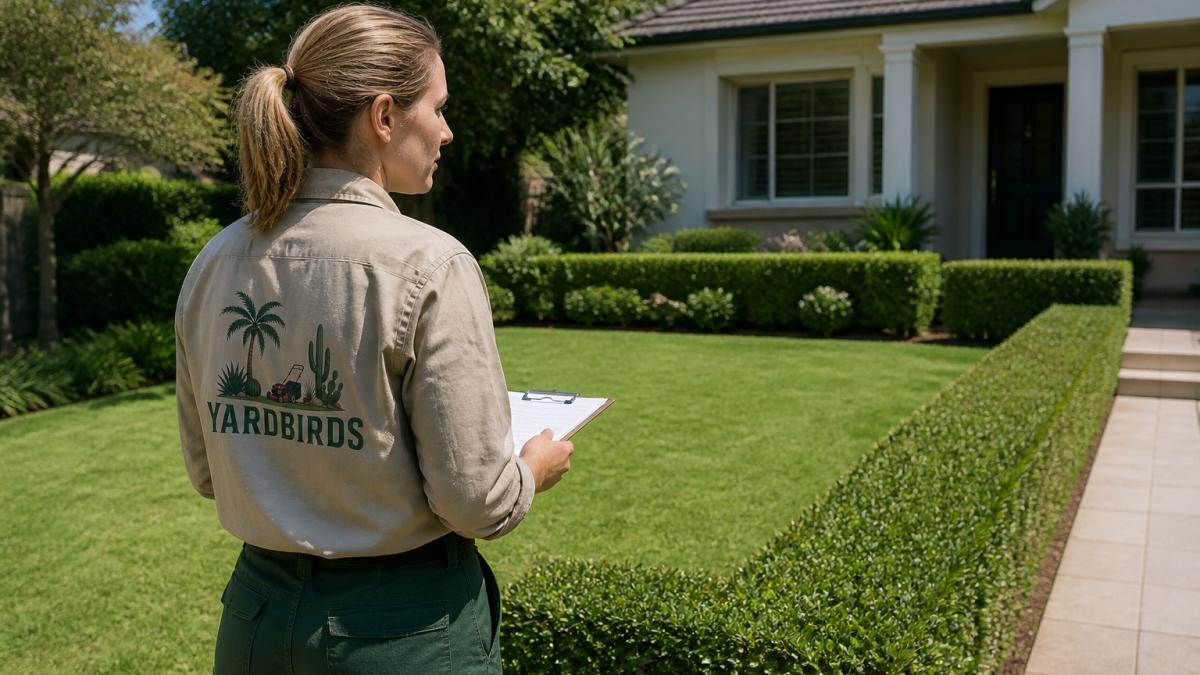
Look for a service that specialises in rental property maintenance or has extensive landlord experience. They'll understand the importance of documentation, timelines, and move-in-ready standards. Ask how they handle communication, do they send before-and-after photos? Can you track their work easily?
Reliability matters more than price. A gardener who shows up when promised and delivers consistent quality is worth more than a cheaper option that cancels or delivers inconsistent results. Read reviews specifically from other landlords, not just residential customers, since the requirements differ.
Insurance, Reliability, and Compliance
Public liability insurance is non-negotiable. If a gardener damages your property or injures themselves on-site, insurance protects you both. Ask for a certificate of currency showing current coverage before they start work.
Reliability means showing up on scheduled dates and completing work as quoted. A professional service should have a booking system, clear communication channels, and a process for handling weather delays or unexpected issues. YardBirds Sydney maintains a track record of reliable scheduling specifically for property managers and landlords who depend on consistent timing.
Check whether they use modern equipment appropriate for the job. All-electric equipment reduces noise and environmental impact, important considerations for rental properties in residential areas. Equipment quality also affects the finish quality and safety of the work.
Service Models and Ongoing Relationships
Some gardeners work on one-off jobs only, while others offer regular maintenance packages. For landlords with multiple properties, a regular service can be more cost-effective than coordinating individual cleanups. You establish a relationship, the gardener learns your properties, and scheduling becomes predictable.
Ongoing relationships also mean the gardener catches small issues before they become expensive problems. Regular weeding prevents major infestations, routine hedge trimming keeps plants healthy, and consistent lawn care prevents bare patches that are harder to repair.
For one-off jobs between tenants, choose a service that can accommodate quick turnarounds. Some landlords need garden cleanup completed within days of tenant departure, so flexibility matters.
Budgeting and Managing Garden Service Costs
Garden maintenance costs vary significantly based on property size, garden complexity, and frequency of service. Understanding what drives costs helps you budget effectively and evaluate quotes fairly.
When comparing quotes, ensure they cover the same scope of work. A quote that includes weeding, mowing, and hedge trimming isn't directly comparable to one covering mowing only.
Many landlords find that regular garden maintenance between tenants can be more cost-effective overall than emergency cleanups after extended vacancy. Preventative care can be more cost-effective than reactive restoration.
Consider the service's location and travel time. A local service that already works in your area can sometimes be more cost-effective than one travelling from further away.
Budget for seasonal variations. Spring and early summer typically see higher demand and potentially higher rates.
Frequently Asked Questions
Who is responsible for maintaining the garden in a rental property?
Responsibility depends on your lease agreement. Generally, landlords must maintain the property in a safe and habitable condition, which includes the garden. However, tenants are typically responsible for routine lawn mowing and basic weeding during their tenancy. Your tenancy agreement should specify these details clearly. If disputes arise, consult your state's tenancy authority or a property manager to clarify obligations under your local rental laws.
What should I include in a landlord garden maintenance checklist?
A comprehensive landlord garden maintenance checklist should cover lawn mowing and edging, weeding garden beds, hedge trimming and pruning, watering during dry periods, tree lopping and fallen branch removal, garden cleanup, and pest and disease monitoring. Document the garden's condition at the start and end of each tenancy with photos. Schedule routine maintenance quarterly or seasonally, and plan one-off cleanups between tenants. Include tasks specific to your property's size and plant types.
When should I hire a professional gardener instead of relying on tenant maintenance?
Hire a professional for tasks beyond routine mowing: overgrown areas, tree lopping, hedge restoration, pest infestations, or significant garden restoration. You should also hire professionals for end-of-lease cleanups to ensure the property meets move-in standards for new tenants. If your property requires specialised knowledge (heritage gardens, strata common areas, commercial landscaping), professional expertise protects your investment and reduces liability. Professional services also ensure consistent quality regardless of tenant cooperation.
What makes a reliable professional garden service for rental properties?
Look for a service with full insurance coverage (essential for liability protection), consistent reliability and scheduling flexibility, clear communication about work scope and timelines, and experience with rental property transitions. Check references and ask how they handle complex situations like strata gardens with multiple stakeholders. Confirm they understand fair wear and tear standards and can provide documentation of work completed. A female-founded, locally-based service with strong customer satisfaction ratings and years of experience offers accountability and personal attention.
Maintaining a rental property's garden doesn't have to be a constant source of stress. When you work with a professional garden care service that understands landlord requirements, you gain consistency, reliability, and peace of mind. YardBirds Sydney brings all-electric equipment, fully insured service, and a personal approach to rental property maintenance across the Inner West. Get a free quote and discover how professional garden care protects your investment.