 how-to
How to Find Reliable Gardeners (2026 Vetting Guide)
Table of Contents
- Why Finding Reliable Gardeners Is Harder Than It Should Be
- Step 1: Define Your Garden Maintenance Scope
- Step 2: Where to Search for Local Gardening Contractors
- Step 3: Questions to Ask a Gardener Before Hiring
- Step 4: Verify Credentials and the Benefits of Hiring Insured Garden Services
- Step 5: Compare Quotes and Check References
- Garden Maintenance for Busy Professionals: A Scheduling Cheat Sheet
- Red Flags and Common Hiring Mistakes
- Frequently Asked Questions
Last Updated: September 9, 2026
Why Finding Reliable Gardeners Is Harder Than It Should Be
Finding reliable gardeners often feels like a gamble. You hand over your keys, trust them with your prized camellias, and hope they actually show up next fortnight. For homeowners in Sydney's Inner West juggling busy schedules, the stakes feel personal: a neglected garden is visible to every neighbour.
The core problem isn't a shortage of gardeners. It's a shortage of accountability. Many businesses operate without formal service agreements, and homeowners rarely know what questions to ask a gardener before hiring. The result is mismatched expectations, missed visits, and frustration on both sides.
That's why this guide exists. At YardBirds Sydney, we believe hiring should feel straightforward, not stressful. A reliable gardener is someone who communicates clearly, turns up on time, and treats your outdoor space with genuine care. Below, we'll walk through a practical vetting process that filters out the guesswork, covering everything from defining your scope to verifying credentials.
But first, here's what most guides get wrong: they focus on price comparison before establishing trust. We'll do the opposite.
Step 1: Define Your Garden Maintenance Scope
Before you search for anyone, know exactly what you're hiring for. Garden maintenance covers a broad spectrum, from basic lawn care to complex horticultural projects. A gardener who excels at pruning may not be the right fit for a full garden redesign.
Start by auditing your outdoor space. Walk around and note what actually needs attention each month. Common tasks include mowing, weeding, hedging, mulching, green waste removal, and seasonal planting. Be specific about frequency too. Some gardens thrive with a visit every fortnight, while others need weekly attention during spring growth.
Write this down and share it with potential contractors. A clear scope of work protects you from scope creep and helps you compare service quotes fairly. It also signals to the gardener that you're an organised client, which tends to attract more professional operators.
Step 2: Where to Search for Local Gardening Contractors
Not all search channels are equal. Your most reliable leads usually come from word of mouth. Ask neighbours with immaculate gardens who they use. Local community groups on social media also surface recommendations, though treat these with some caution.
Online directories and review platforms are useful starting points, but they reward volume over quality. A business with hundreds of reviews isn't necessarily better than one with a smaller, more consistent track record. Look for patterns in customer reviews rather than isolated complaints. A single negative review matters less than how the business responded to it.
Pay attention to the geographic focus of each contractor. A team based an hour away may struggle to respond quickly if issues arise. Local contractors understand your area's soil, climate, and common plant problems, which translates into better, more proactive care.
Step 3: Questions to Ask a Gardener Before Hiring
Treat the first conversation as a two-way interview. You're assessing their expertise, and they're assessing whether your property suits their service model. Asking the right questions reveals whether a gardener is a genuine professional or someone who will disappear after the first payment.
Here are the questions that matter most:
- Are you fully insured, and can you provide a certificate of currency?
- Do you provide a written service agreement or contract?
- How do you handle scheduling if I need to reschedule or pause visits?
- What happens if you need to cancel a visit due to weather?
- Do you manage green waste removal, or is that an additional cost?
- Which specific tasks are included in your standard service?
Step 4: Verify Credentials and the Benefits of Hiring Insured Garden Services
The benefits of hiring insured garden services extend far beyond peace of mind. Public liability insurance protects you if a contractor damages your property, such as breaking a window or damaging underground pipes. It also covers you if they're injured while working on your premises. In Australia, a legitimate gardening business should carry public liability cover, which is often required by strata managers and commercial property owners (business.gov.au).
Ask for their certificate of currency and verify it's current. A legitimate business will provide this without hesitation. Be wary of anyone who claims to be "covered" but can't produce documentation. This is a significant red flag.
Beyond insurance, verify their Australian Business Number (ABN). You can check an ABN is active and registered to the correct entity on the Australian Business Register website. This is a free, 30-second check that confirms you're dealing with a legitimate business, not an individual operating outside the tax system. If they're registered for Goods and Services Tax (GST), that's another signal of a substantial operation.
Credentials matter beyond insurance and registration. Look for demonstrated horticultural expertise, whether through formal qualifications like a Certificate III in Horticulture or years of hands-on experience (training.gov.au). Ask about their equipment. Modern, well-maintained tools suggest a professional operation, while battered, unsafe equipment signals corners being cut elsewhere. A growing number of professional gardeners in metropolitan areas are transitioning to all-electric equipment, battery-powered mowers, blowers, and hedgers. This is not just an environmental choice; it's a practical one. Electric equipment is quieter, requires less maintenance, and produces zero emissions, which matters if you work from home or have close neighbours.
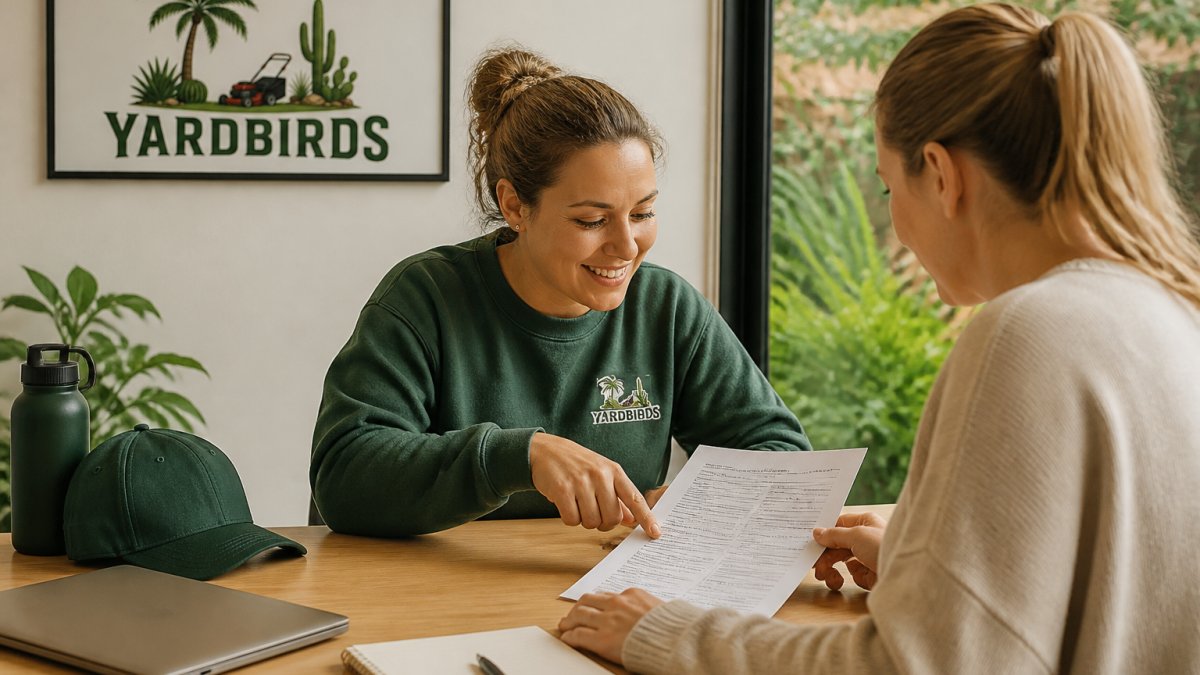
One credential that is often overlooked is the written service agreement. A professional gardener should provide a contract that outlines the scope of work, visit frequency, pricing, and a cancellation policy. This document is your primary legal protection if disputes arise. It should specify:
- The exact tasks included in each visit
- How changes to the scope of work are handled and priced
- The notice period required for either party to cancel or pause services
- A process for addressing unsatisfactory work, such as a re-do within a set timeframe
- Who is responsible for green waste disposal and whether it's included in the quoted price
A gardener who resists providing a written agreement is either disorganised or deliberately avoiding accountability. Neither trait belongs in your garden.
Step 5: Compare Quotes and Check References
Once you've shortlisted two or three candidates, request detailed quotes. A vague verbal estimate should raise immediate concerns. Professional gardeners provide written quotes that itemise the scope of work, visit frequency, and what's included in the price.
When comparing quotes, resist the urge to default to the cheapest option. The lowest price often reflects lower overheads, which usually means less experienced staff or inferior equipment. Instead, evaluate what each quote includes. Does one include green waste removal while another charges extra? Does the pricing reflect the specific tasks in your scope?
Before committing, check professional references. Ask for contact details of current clients, ideally in your area. A quick call to a reference reveals far more than any online review. Ask about reliability, communication, and whether the gardener delivers what they promise.
Garden Maintenance for Busy Professionals: A Scheduling Cheat Sheet
For busy professionals, garden maintenance for busy professionals isn't just about finding someone once. It's about building a rhythm that fits your lifestyle. The most reliable arrangements are built on clear, recurring schedules.
Consider seasonal maintenance planning. Sydney's climate means your garden's needs shift dramatically between summer and winter. A good service provider will adjust visit frequency accordingly, reducing visits during slower growth periods without abandoning your property entirely.
| Season | Typical Tasks | Suggested Frequency |
|---|---|---|
| Spring | Lawn revival, weeding, mulching, planting | Weekly to fortnightly |
| Summer | Mowing, watering support, weed control | Weekly |
| Autumn | Leaf cleanup, pruning, lawn care | Fortnightly |
| Winter | Light maintenance, soil care, equipment checks | Monthly or as needed |
This table reflects general guidance for the region. Your specific garden will have unique requirements based on plant types, sun exposure, and soil conditions. A professional gardener should help you refine this schedule during your initial consultation.
Red Flags and Common Hiring Mistakes
Even with a solid vetting process, mistakes happen. The most common hiring mistake is skipping the contract. A verbal agreement offers zero protection if the gardener fails to show up or completes substandard work. Always insist on a written service agreement that outlines the scope, frequency, and expectations.
Watch for these red flags during your interactions:
- Reluctance to provide proof of insurance
- Vague answers about pricing or scope
- No written contract or service agreement
- Poor communication or slow response times
- Pressure to pay upfront in cash
- Inability to provide professional references
Another frequent error is choosing a generalist when you need a specialist. A gardener focused on lawn care may lack the horticultural expertise needed for established gardens with mature trees and delicate plantings. Match the contractor's specialisation to your actual needs.
Finding reliable gardeners comes down to preparation and standards. Define your scope, ask pointed questions, verify credentials, and trust your instincts when something feels off. The right gardener becomes a trusted partner in maintaining your outdoor space, not a recurring source of stress.
Finding a gardener who shows up consistently and cares about your property shouldn't require luck. At YardBirds Sydney, we've built our reputation on reliable, eco-friendly garden maintenance across the Inner West, serving residential, strata, and commercial properties with fully insured, all-electric equipment. Our approachable team treats every garden with personal attention, so you get consistent care without the hassle. Get a Free Quote today and see how straightforward professional garden care can be.
Frequently Asked Questions
How do I verify if a gardening business is insured?
Ask the business directly for their certificate of currency for public liability insurance. A reliable contractor will provide this document without hesitation. You can also check if the policy is current by contacting the insurance provider listed on the certificate. This is a critical step, as it protects you from liability if an accident occurs on your property.
What is the difference between a general gardener and a horticulturalist?
A general gardener is skilled in routine maintenance like mowing, weeding, pruning, and garden cleanup. A horticulturalist has formal qualifications in plant science and can diagnose diseases, advise on soil health, and design complex planting schemes. For regular upkeep, a skilled gardener is usually sufficient. If you have specific plant health issues or a complex garden design, you may need a horticulturalist.
How can I ensure my gardener is using eco-friendly practices?
Ask about their equipment and waste disposal methods. A clear sign is the use of battery-powered or electric tools instead of petrol ones. You should also ask how they handle green waste; responsible services often recycle or compost it. Enquire about their approach to weed control and whether they use chemical-free methods, which is better for your family, pets, and local environment.
What questions should I ask before hiring a garden maintenance service?
Ask about their experience with your specific type of garden, their availability and frequency of service, and whether they provide a written quote or service agreement. Confirm they have public liability insurance and ask for references from current clients. Also, clarify what is included in the service, such as green waste removal, and how they handle scheduling changes or cancellations.