 ultimate-guide
Commercial Lawn Maintenance: A 2026 Guide
Table of Contents
- What Commercial Lawn Maintenance Covers
- Commercial Lawn Mowing Services and Turf Management
- Strata Garden Maintenance and Multi-Owner Properties
- Eco-Friendly Weed Control and Sustainable Practices
- Commercial Compliance and Work Health Safety
- Hedge Trimming, Pruning, and Garden Design
- Choosing a Reliable Commercial Maintenance Partner
- Frequently Asked Questions
Last Updated: September 27, 2026
What Commercial Lawn Maintenance Covers
Commercial lawn maintenance is far more than just mowing. It's a comprehensive approach to keeping outdoor spaces functional, attractive, and safe for businesses, strata properties, and rental investments. This includes turf management, weed control, hedge trimming, garden design consultation, and seasonal adjustments tailored to local climate conditions.
For property managers and facility teams, understanding what commercial lawn maintenance actually covers is the difference between a well-maintained asset and a liability. The scope typically encompasses regular mowing schedules, seasonal pruning, mulching, waste removal, and compliance with safety standards. Many businesses discover that outsourcing this work, rather than managing it in-house, frees up staff time while delivering more consistent results.
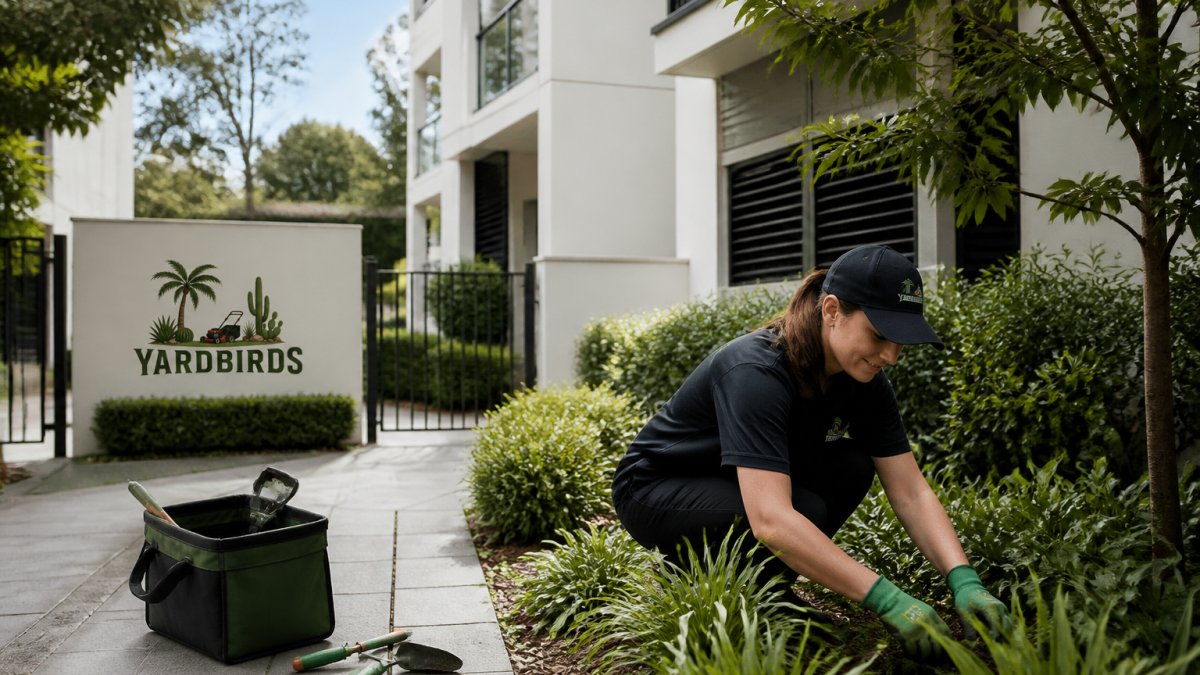
YardBirds Sydney specialises in this full-service approach, handling everything from routine turf care to complex strata situations where multiple property owners have competing preferences about how their shared gardens should look.
Commercial Lawn Mowing Services and Turf Management
Regular Mowing Schedules
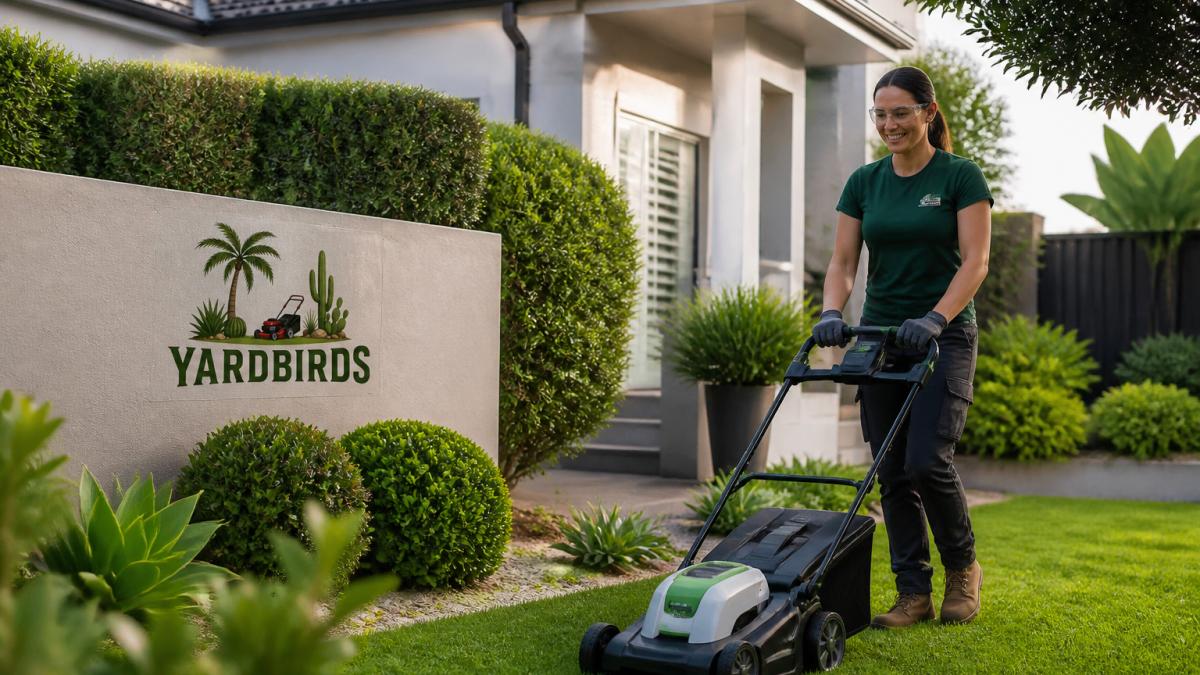
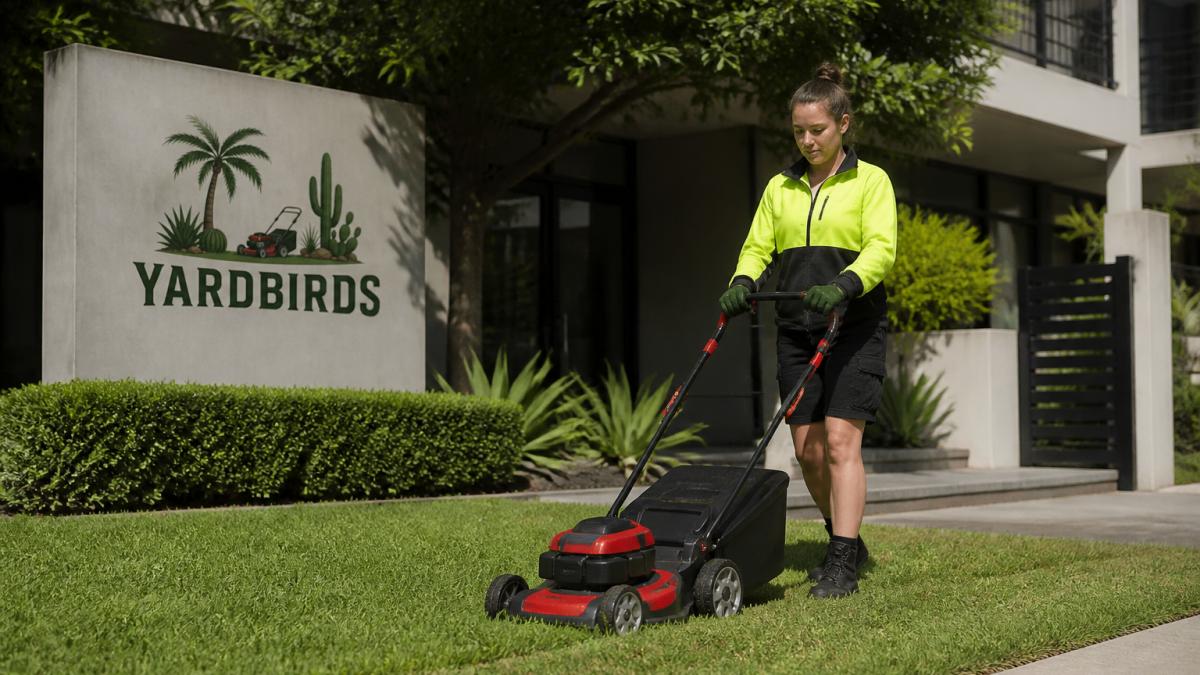
The foundation of any commercial lawn maintenance program is a consistent mowing schedule. During peak growing seasons, most turf requires weekly or fortnightly cutting to maintain a professional appearance and encourage healthy growth. Irregular mowing, where gaps appear between visits, leads to uneven growth, scalping damage, and a patchy appearance that undermines curb appeal.
A reliable contractor shows up on the scheduled day, not "sometime that week." This consistency matters more than most property managers realise. When mowing happens predictably, the grass responds predictably. The turf stays uniform in height, root systems develop evenly, and you avoid the boom-and-bust cycle where grass grows aggressively between sporadic cuts.
The real test of a contractor's reliability comes during winter. Many businesses see reduced maintenance needs in cooler months and adjust their schedules accordingly. A contractor who communicates clearly about seasonal adjustments and sticks to modified winter schedules, rather than ghosting when volume drops, demonstrates professional accountability.
Seasonal Adjustments for Local Climate
Sydney's climate creates distinct seasonal demands. Summer heat accelerates growth and increases water stress on turf, while winter dormancy reduces cutting frequency but increases pruning and cleanup work. Spring brings explosive growth and weed pressure, whilst autumn requires preparation for cooler months ahead.
A maintenance contractor familiar with local climate patterns knows that summer mowing heights should be slightly higher to protect turf from heat stress, winter mowing can be less frequent, and spring requires aggressive weed management before seeds set. This isn't generic knowledge, it's the difference between a contractor who has worked across multiple Sydney properties and one treating your site like every other job they do.
YardBirds Sydney understands these seasonal shifts because they operate exclusively in the Inner West and have adapted their practices to local conditions over years of service.
Strata Garden Maintenance and Multi-Owner Properties
Managing Competing Preferences
Strata garden maintenance presents a unique challenge: multiple owners, multiple opinions, and a single outdoor space. One resident wants flowering gardens; another prefers low-maintenance native plants. Someone wants the hedge kept tight; someone else thinks it should be allowed to grow fuller for privacy.
A contractor managing strata properties needs to navigate these competing preferences whilst maintaining professional standards. This requires clear communication with the body corporate or strata manager, documented agreements about what will be done and when, and the ability to explain maintenance decisions in language that makes sense to non-gardeners.
The common mistake is assuming a contractor can simply follow the loudest voice. Professional strata maintenance requires written scope documents, regular updates to the body corporate, and consistency across all common areas regardless of which owner complains loudest in any given week.
Common Area Care Standards
Strata common areas, shared gardens, entrance plantings, courtyard spaces, reflect the entire building's image. Poor maintenance signals neglect across the whole property. Professional strata maintenance means:
- Regular inspections to identify issues before they become visible problems
- Consistent standards applied across all common areas
- Documentation of work completed for body corporate records
- Clear communication about seasonal changes and adjusted schedules
A contractor who provides strata managers with photographic evidence of completed work, written reports on plant health, and advance notice of seasonal changes demonstrates the accountability that multi-owner properties require.
Eco-Friendly Weed Control and Sustainable Practices
Weed Management Without Synthetic Herbicides
Synthetic herbicides work quickly but create long-term soil chemistry changes and environmental runoff concerns. For commercial properties, especially those near waterways or with ESG commitments, organic weed control methods deliver results without these liabilities.
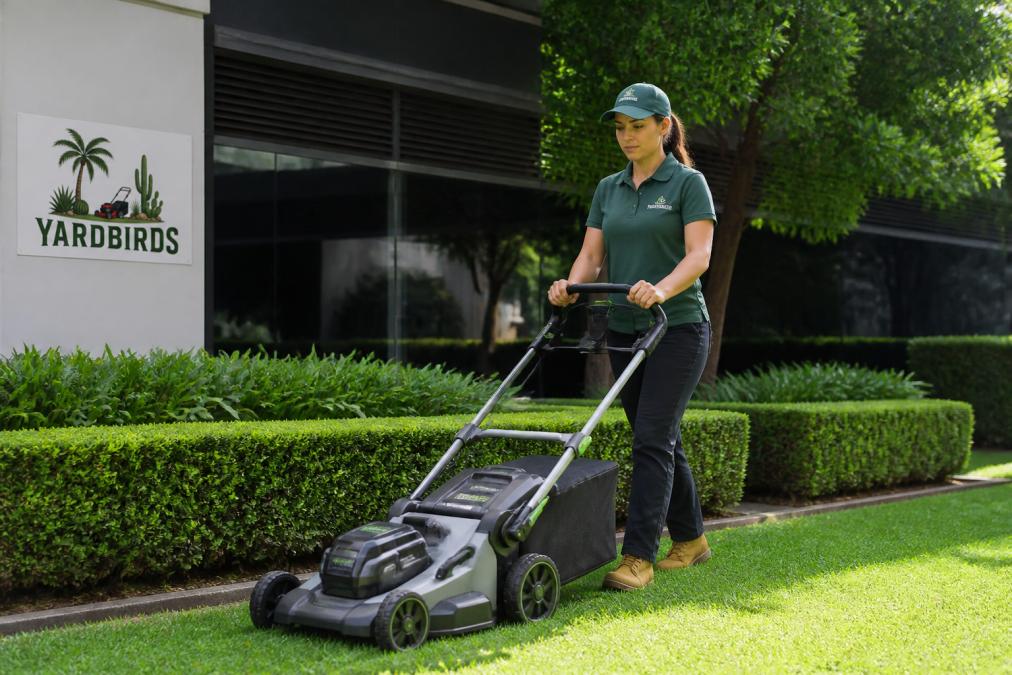
Effective non-chemical weed control relies on timing and technique. Hand-weeding and digging out root systems before weeds set seed prevents future generations. Mulching (typically 50-75 mm of quality organic mulch) suppresses weed germination by blocking light and moderating soil temperature. For established weeds in turf, regular mowing at the correct height (typically 30-40 mm for commercial lawns) weakens perennial weeds by preventing them from building energy reserves.
Post-emergent organic options include acetic acid (vinegar-based) sprays for broadleaf weeds and clove oil products, which work on contact but require repeat applications. These are slower than synthetic alternatives but avoid soil persistence and are safer around buildings with foot traffic.
A contractor experienced in organic weed management knows that prevention (proper mulching, correct mowing height, timely removal) prevents 80% of weed problems before they require intervention. This reduces both chemical use and long-term maintenance costs.
Soil Health and Long-Term Sustainability
Sustainable lawn maintenance looks beyond the current season. Healthy soil produces healthy turf, reduces weed pressure naturally, and requires less water and chemical intervention over time. This means practices like mulching (returning clippings to feed the soil), proper composting of green waste, and avoiding unnecessary chemical applications.
A contractor focused on soil health asks questions about your property's specific conditions: drainage patterns, sun exposure, existing soil pH and nutrient levels, and usage intensity.
Zero-Emission Equipment Benefits
Modern electric lawn equipment has reached a point where performance matches, and often exceeds, traditional petrol alternatives. Zero-emission mowers and trimmers eliminate fuel storage, reduce noise pollution (important in residential and mixed-use areas), and eliminate the maintenance headaches of small engines.
Commercial Compliance and Work Health Safety
Insurance and Liability Protection
Any contractor working on commercial property must carry appropriate public liability insurance. This isn't optional, it's a legal and practical necessity. If a contractor damages property, injures themselves, or causes injury to someone else on your premises, their insurance covers the liability. Without it, you're exposed.
Safety Standards and Site Inspection
Commercial properties have specific safety requirements. A contractor should conduct a site inspection before starting work, identifying hazards like underground services, uneven surfaces, or obstacles that could create safety risks. Work health and safety standards require contractors to assess the site, plan their approach, and execute work in ways that don't create unnecessary risks.
Hedge Trimming, Pruning, and Garden Design
Seasonal Pruning Timing and Technique
Improper pruning damages plants, creates weak growth, or kills sections of hedging. Timing is critical: most deciduous hedges (privet, hawthorn) are pruned in late winter (July-August) when dormant, allowing spring growth to fill in cleanly. Evergreen hedges (box, photinia) tolerate pruning year-round but respond best to late spring (October-November) pruning that hardens off before summer heat.
Native Plant Integration and Low-Maintenance Design
Many commercial properties inherit gardens designed decades ago with high-maintenance exotics. Native plant integration reduces watering demands, supports local biodiversity, and aligns with modern corporate ESG commitments. Native plants are adapted to local rainfall patterns, soil conditions, and pest pressures, meaning they require less intervention once established.
Design for Functionality and Curb Appeal
Commercial properties benefit from garden design that balances aesthetics with practical maintenance. Overly complex planting schemes with mixed species, varying heights, and competing colours require constant attention and look unkempt when maintenance lapses. Strategic design, using repetition, clear focal points, and cohesive colour palettes, creates visual impact whilst remaining manageable.
Choosing a Reliable Commercial Maintenance Partner
Consistency and Accountability
The contractor you choose will be on your property regularly, sometimes weekly. This means reliability isn't a nice-to-have, it's fundamental. A contractor who shows up on schedule, communicates about changes, and delivers consistent quality removes a management headache from your plate.
Personalised Service and Site Understanding
Generic maintenance contractors treat every property the same. A contractor who takes time to understand your specific property, its climate exposure, soil conditions, usage patterns, and aesthetic goals, delivers better results. This understanding develops over time, which is why switching contractors repeatedly undermines consistency.
Frequently Asked Questions
What are the key benefits of professional commercial lawn maintenance?
Professional commercial lawn maintenance ensures your property maintains consistent curb appeal, which directly affects client perception and business credibility. Regular, expert care prevents weed proliferation, maintains soil health, and extends turf lifespan. Outsourcing grounds maintenance frees your team to focus on core business operations rather than managing outdoor spaces. Properties with well-maintained landscapes also command stronger rental or resale valuations. Most importantly, professional contractors carry public liability insurance, protecting your business from costly damage claims.
How often should commercial lawns be mowed during the growing season?
Local climate conditions determine mowing frequency. During peak growing season, most commercial properties benefit from weekly or fortnightly mowing to maintain neat appearance and prevent weed seed dispersal. Winter growth slows significantly, so less frequent visits may suffice. A qualified contractor performs site assessment to recommend a schedule matching your property's specific grass type, traffic patterns, and aesthetic standards. Seasonal maintenance calendars ensure your lawn stays pristine year-round without unnecessary visits during dormant periods.
Are there genuinely eco-friendly options for commercial weed control?
Yes. Modern eco-friendly weed control combines zero-emission equipment, targeted mulching, and soil health management rather than chemical spraying. All-electric mowers and tools eliminate carbon emissions while delivering the same power as fuel-based alternatives. Mulching suppresses weeds naturally while improving soil structure. Professional contractors trained in sustainable practices can manage even thick, overgrown patches effectively. This approach reduces environmental impact whilst maintaining pristine lawns, making it ideal for environmentally conscious property owners and businesses seeking to demonstrate sustainability commitment.
What should I look for in a commercial garden maintenance contract?
A solid service agreement should specify mowing frequency, hedge trimming schedules, and green waste removal protocols. It must clearly outline public liability insurance coverage and work health and safety compliance. The contract should address how the contractor handles weather delays, scheduling flexibility around your business needs, and what happens during seasonal variations. Include provisions for site inspection findings and how the contractor communicates about property-specific issues. Ensure the agreement covers accountability for consistency, how the contractor ensures reliable service and what recourse exists if appointments are missed.