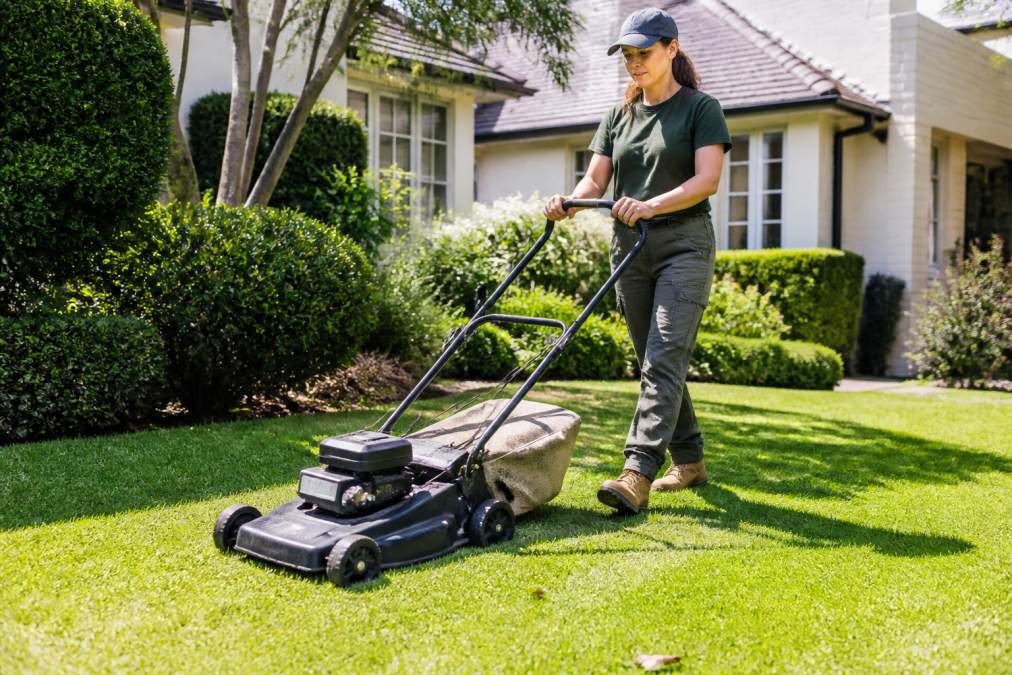
 comparison
EcoMow Alternative for Residential Lawn Care
Table of Contents
- Why Residential Homeowners Are Rethinking Their Lawn Care Options
- Reel Mowers vs. Rotary Mowers: Which Suits Residential Properties?
- Robotic Mowers: The Quiet, Automated Residential Lawn Care Option
- Electric Lawn Mowing Services vs. DIY Battery-Powered Equipment
- Low Maintenance Lawn Alternatives That Reduce Mowing Entirely
- What to Look for in a Residential Lawn Care Provider
- Frequently Asked Questions
Last Updated: September 2, 2026
Why Residential Homeowners Are Rethinking Their Lawn Care Options
Residential lawn care is changing fast. Homeowners increasingly weigh the noise, emissions, and effort of traditional petrol mowing against quieter, cleaner alternatives. At YardBirds Sydney, we hear one question most often: "There has to be a better way to do this." There is, several, in fact.
Traditional petrol mowers are loud enough to disturb neighbours, produce exhaust fumes in enclosed suburban gardens, and require ongoing fuel and maintenance costs. As battery technology has improved and lawn alternatives have become more viable for Australian climates, the case for petrol grows weaker each season.
This guide covers practical EcoMow alternatives: DIY battery-powered equipment, professional electric lawn mowing services, reel mowers, robotic options, and ground cover alternatives that reduce mowing entirely. We break down real trade-offs so you can decide based on lawn size, lifestyle, and budget.
According to Australian Bureau of Statistics data on household energy and equipment trends, cordless technology adoption in domestic use has grown steadily alongside broader electrification trends in Australian households.
Reel Mowers vs. Rotary Mowers: Which Suits Residential Properties?
Choosing between a reel mower and a rotary mower depends on three things: lawn size, grass type, and physical effort you want to invest.
Reel Mowers: Precision Cutting for Smaller Lawns
A reel mower uses helical blades that cut grass with a scissor-like action, producing a cleaner cut that promotes better grass health and reduces disease risk. Manual reel mowers produce zero emissions and operate almost silently, ideal for early-morning mowing in suburban properties. They suit lawns under 200 square metres with relatively flat terrain and regularly maintained turf.
The limitation is obvious: they require consistent physical effort and perform poorly on overgrown, thick, or uneven grass.
Rotary Mowers: Battery-Powered Performance for Medium to Large Lawns
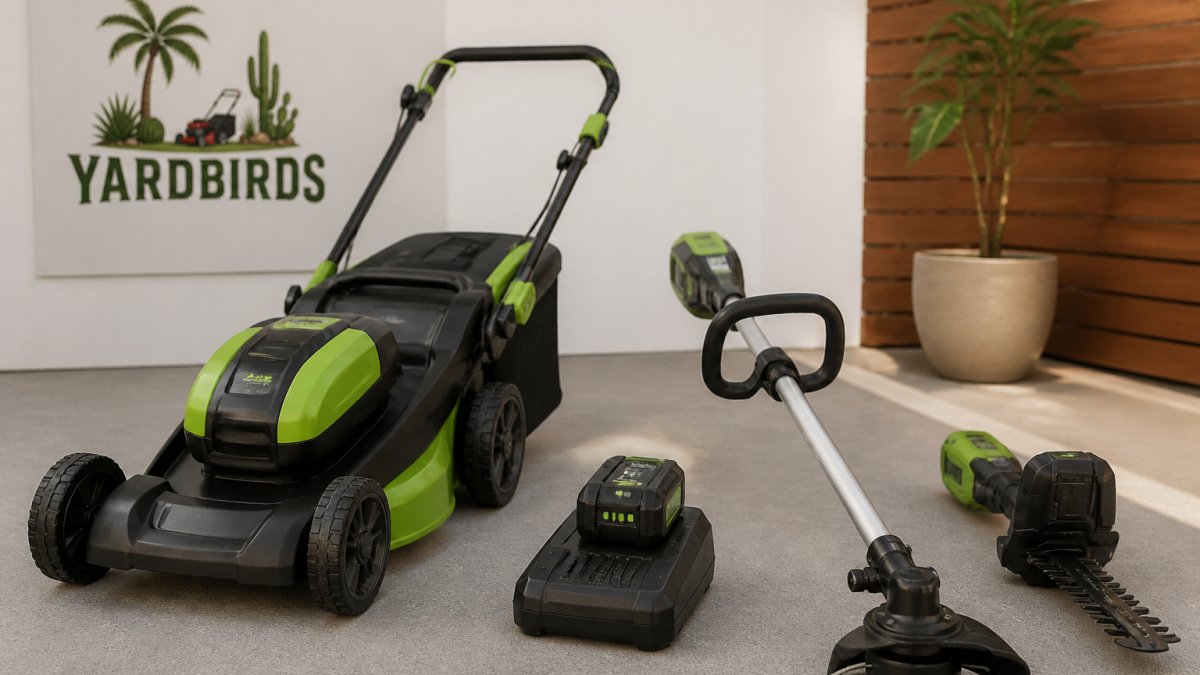
Battery-powered rotary mowers have closed the performance gap with petrol significantly. The RYOBI 36V HP Brushless 46cm Lawn Mower uses a brushless motor with dual SMART BOOST battery ports to deliver petrol-equivalent cutting performance on lawns up to medium-large size. For homeowners with lawns between 200 and 600 square metres, a lithium-ion battery-powered rotary mower is the most practical DIY option.
The honest limitation: runtime. For thick grass or larger properties, you may need multiple batteries or a mid-session recharge.
Robotic Mowers: The Quiet, Automated Residential Lawn Care Option
Robotic mowers represent the most hands-off approach to residential lawn care available today. The Husqvarna Automower Aspire R4 operates at noise levels well below those of any petrol mower, handles lawns up to 400 square metres with slopes up to 25%, and returns to its charging dock automatically. Fine grass clippings are mulched back into the lawn, acting as natural fertiliser.
The carbon footprint of a robotic mower over its lifespan is substantially lower than a petrol alternative, particularly when charged from a solar-connected home system.
Two practical caveats apply. First, upfront cost is significant: the Aspire R4 starts at $1,399 AUD, with installation adding time and cost. Second, robotic mowers are not well-suited to lawns with complex shapes, steep slopes beyond their rated capability, or heavily shaded areas.
Electric Lawn Mowing Services vs. DIY Battery-Powered Equipment
The decision between hiring a professional electric lawn mowing service and buying your own battery-powered equipment involves your time, lawn complexity, and how consistently you will follow through on DIY maintenance.
Cost-Benefit Analysis: DIY Equipment vs. Professional Services
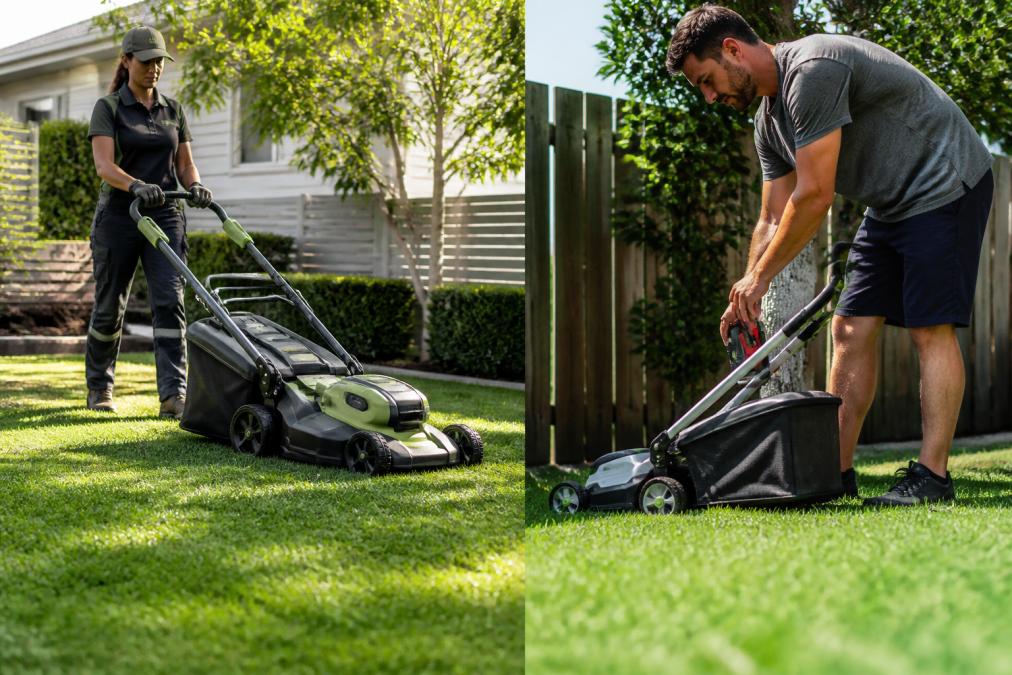
DIY battery-powered equipment has a clear upfront cost. A capable setup for a medium residential lawn, such as the RYOBI 36V kit at $799 AUD, represents a one-time capital outlay. Professional electric lawn mowing services carry no equipment cost and no maintenance overhead. For busy households, the value is in consistency and expertise. A professional service handles edging, shaping, and seasonal adjustments that most homeowners skip or do poorly.
| Factor | DIY Battery-Powered | Professional Electric Service |
|---|---|---|
| Upfront cost | Medium to high (equipment purchase) | None |
| Ongoing cost | Low (electricity, maintenance) | Regular service fee |
| Time investment | High (your own time each visit) | Minimal |
| Lawn complexity | Limited by your skill level | Handled by professionals |
| Consistency | Depends on your schedule | Scheduled and reliable |
| Best for | Simple lawns, flexible schedules | Busy households, complex gardens |
For homeowners who travel frequently, manage strata properties, or resent lawn care as a chore, professional services deliver value well beyond the mowing itself.
Noise Decibel Comparison: Electric Equipment vs. Petrol Mowers
Petrol mowers typically operate between 90 and 100 decibels at the operator's ear. Battery-powered rotary mowers operate in the 75 to 85 decibel range. Robotic mowers like the Husqvarna Aspire R4 drop to around 58 decibels, roughly equivalent to a normal conversation.
| Mower Type | Approximate Decibel Level | Neighbour Impact |
|---|---|---|
| Petrol rotary mower | 90-100 dB | High, audible across multiple properties |
| Battery-powered rotary | 75-85 dB | Moderate, noticeable but not disruptive |
| Robotic mower | 55-65 dB | Minimal, comparable to quiet conversation |
| Manual reel mower | 55-65 dB | Minimal, mostly mechanical sound |
According to NSW Environment Protection Authority guidance on noise from domestic activities, residential noise from garden equipment is subject to time-of-day restrictions. Switching to electric or battery-powered equipment expands the practical mowing window without breaching those limits.
Low Maintenance Lawn Alternatives That Reduce Mowing Entirely
The most radical EcoMow alternative for residential properties is removing the lawn altogether, or significantly reducing its footprint. Many suburban gardens carry more turf than households actually use, maintained out of habit rather than necessity.
Ground Covers and Turf Alternatives Suited to the Local Climate
Not all ground covers perform equally in Australian conditions. Coastal New South Wales requires drought tolerance, heat resistance, and ideally, low water demand once established.
Practical ground cover options include:
- Native grasses such as Lomandra and Dianella: Clumping grasses requiring no mowing, minimal watering once established, and providing habitat for native insects.
- Creeping thyme and native violets: Low-growing, mat-forming plants handling light foot traffic and suppressing weeds effectively.
- Decomposed granite or gravel with native plantings: Eliminates turf entirely in high-sun areas, paired with drought-tolerant natives like Westringia and Callistemon.
- Dichondra: A fine-leafed, low-growing alternative to traditional turf tolerating shade and requiring far less frequent mowing.
According to Australian Native Plants Society guidance on ground covers for home gardens, native ground covers established in the right conditions often require no supplemental watering after the first season.
Regional climate suitability matters. A professional assessment of your specific site conditions before committing to large-scale turf replacement will save significant remediation cost later.
What to Look for in a Residential Lawn Care Provider
Most people approach this decision too narrowly, comparing price and availability first. Reliability, communication, and whether the provider understands your specific garden matter more.
Equipment and environmental credentials Do they use electric or battery-powered equipment? YardBirds Sydney operates exclusively with all-electric mowers, signalling investment in modern tools rather than ageing petrol gear.
Insurance coverage Full public liability insurance is non-negotiable. Ask for documentation, not reassurance.
Consistency and scheduling flexibility Look for services offering scheduled visits with clear communication about timing, particularly for seasonal changes when frequency naturally drops.
Specialised knowledge of your garden's conditions Providers with genuine local knowledge, understanding how Sydney's humidity affects fungal pressure in buffalo lawns through summer, deliver measurably better outcomes than those applying a one-size approach.
Strata and multi-owner complexity For strata managers and owners corporations, the provider needs experience navigating differing stakeholder expectations and maintaining consistent presentation across shared areas.
As noted in Consumer Affairs guidance on choosing a garden or lawn care service, verifying a provider's insurance, getting a written quote, and confirming service inclusions in writing before the first visit are minimum steps to protect yourself as a consumer.
Choosing the right EcoMow alternative for residential lawn care means matching your solution to your actual situation: lawn size, available time, budget, and environmental priorities. For households wanting professional results without equipment ownership, YardBirds Sydney offers fully insured, all-electric lawn mowing and garden maintenance with consistent scheduling and genuine local expertise. Get a free quote and find out what the right approach looks like for your specific garden.
Frequently Asked Questions
What are the best eco-friendly lawn mowing alternatives for residential homes?
The main options are battery-powered rotary mowers, manual reel mowers, robotic mowers, and professional electric lawn mowing services. Each suits different lawn sizes and budgets. Reel mowers work well for small, flat lawns and produce zero emissions. Battery-powered mowers handle medium to large areas with petrol-equivalent performance. Robotic mowers automate the task entirely. For homeowners who prefer hands-off care, a fully insured professional service using all-electric equipment delivers consistent results without the upfront equipment cost.
How do electric lawn mowing services compare to traditional petrol-powered options?
Electric lawn mowing services produce no direct emissions, operate at significantly lower decibel levels than petrol mowers, and require less maintenance overall. Petrol mowers typically run at 90-100 dB, while battery-powered equipment commonly operates at 60-75 dB, a meaningful difference in residential areas where noise pollution affects neighbours. Electric services also eliminate fuel costs and reduce carbon footprint. The trade-off historically was power, but modern lithium-ion brushless motors now match petrol performance for most residential lawn care tasks.
Are there low-maintenance lawn alternatives that reduce the need for mowing?
Several ground cover options replace traditional turf and dramatically cut maintenance requirements. Native grasses like Zoysia and Buffalo varieties grow slowly and need less frequent cutting. Dichondra, clover lawns, and native ground covers such as Myoporum and Scaevola suit warm, dry climates and require minimal water once established. Gravel gardens, mulched beds, and ornamental plantings are other options. Climate suitability matters: ground covers that thrive in hot, dry summers with periodic heavy rain perform best without supplemental irrigation.
What should I look for when hiring an eco-friendly garden maintenance service?
Confirm the provider uses all-electric or battery-powered equipment rather than petrol-powered tools. Ask for proof of public liability insurance before work begins, this protects you if property is damaged. Check whether they offer consistent scheduling rather than ad-hoc visits, and whether they can accommodate complex or irregular properties. Providers with documented experience in the local climate understand soil conditions, grass varieties, and seasonal growth patterns specific to your area. A clear communication process and a written scope of work help avoid misunderstandings.
Is professional electric lawn care cost-effective for residential properties?
For many homeowners, professional electric lawn care compares favourably once equipment, fuel, maintenance, and time are factored in. Professional services bundle labour, equipment, insurance, and expertise into a single fee. Households where residents work long hours, have physical limitations, or manage strata properties with shared areas often find professional care more practical and consistent than maintaining their own equipment. Contact providers directly for current pricing.
This article was written using GrandRanker